
Reviewed · TRIANA TOURS
Complete Triana Tour “Corrales included”.
Triana reveals itself in layers. The postcard version has the river, the famous bridge, Betis Street, flamenco, and colorful tiles. This tour adds the quieter side: corrales de vecinos, old patios, artisan workshops, churches, and stories tied to soap-making, fishing, religious brotherhoods, and the Inquisition. I like that it treats Triana as a living neighborhood, not just a photo stop.
I also like the strong local focus. The guide explains why Santa Ana matters, what the Capillita del Carmen means to residents, and where to look for good Triana tapas. The two-hour route is priced at $14, which is excellent value for a walking tour covering this much ground. The main drawback is that the tour is conducted in Spanish, so you need enough Spanish to follow the explanations. Also, confirm the exact end point, since the information gives both the Triana Market area and the Torre del Oro meeting point.
In This Review
- Key points at a glance
- Why Triana deserves more than a bridge photo
- From the Torre del Oro to Triana’s river edge
- Santa Ana and the religious heart of the neighborhood
- Corrales de vecinos and the quieter side of Triana
- San Jacinto, San Jorge, and the weight of the past
- Soap tunnels, old factories, and Triana ceramics
- Betis Street, San Jacinto, and flamenco Triana
- The market, Capillita del Carmen, and the final stretch
- What $14 buys you
- Timing, comfort, and who should book
- Should you book the Complete Triana Tour?
- FAQ
- Where does the tour begin?
- Where does the tour end?
- How long is the tour?
- What language is the tour conducted in?
- Is the tour wheelchair accessible?
- What should I provide when I book?
Key points at a glance

- Corrales de vecinos: See traditional shared courtyards that offer a glimpse of older neighborhood life.
- A full Triana route: Walk from the Torre del Oro and river bridges to Santa Ana, the churches, market, castle, and Altozano.
- Craft traditions: Learn about Triana’s ceramic kilns, old artisan factories, and the Royal Almohad Almonas soap tunnels.
- Religious Triana: Visit Santa Ana, the Chapel of Sailors, the Hermandad de la Estrella, and the Capillita del Carmen.
- Spanish-speaking guides: Guides such as José explain local customs and stories with a personal touch.
- Easy walking: The route is described as accessible and comfortable, with no hills, and the tour is wheelchair accessible.
Why Triana deserves more than a bridge photo
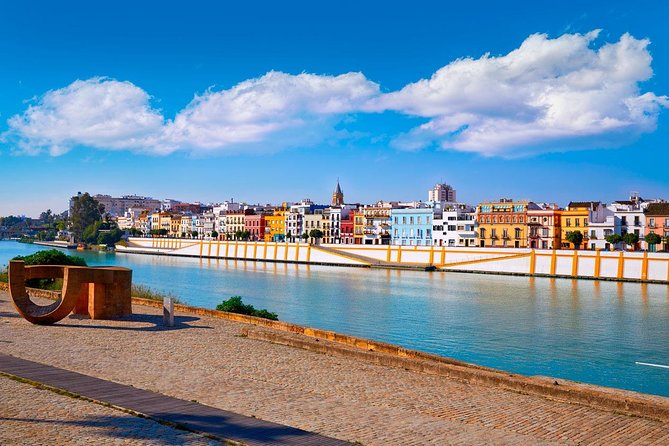
Many people first meet Triana from the Isabel II Bridge. You cross from central Seville, take a picture by the river, and perhaps stop for a drink on Betis Street. That is a pleasant introduction, but it only shows the neighborhood’s front room.
This walk takes you farther in. You see streets shaped by pottery, religious brotherhoods, fishing, flamenco, and family courtyards. The point is not simply to collect sights. It is to understand why Triana feels different from the rest of Seville.
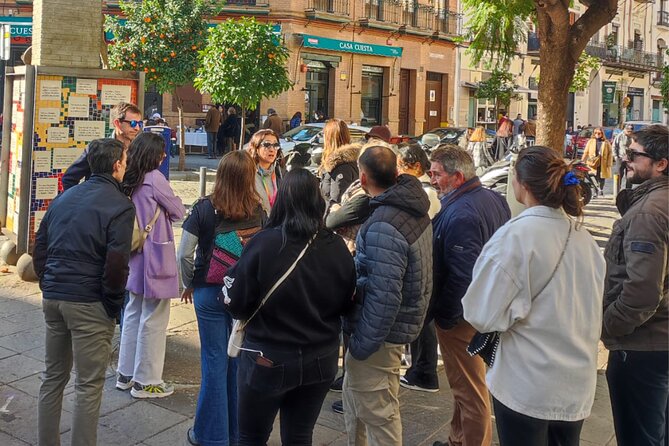
The tour begins near the Torre del Oro, on the river side of the tower. That detail matters. The meeting point is at the tower gate next to the cannons, not down by the water. Bring a phone with WhatsApp and include its number when booking. The guide may contact you the day before or on the day itself with arrival instructions.
The activity lasts about two hours. That is enough time for a strong introduction without taking up your entire day. You will walk through several parts of Triana, so wear comfortable shoes and expect a steady route rather than a long stop at one monument.
More Triana walks:
- Seville: Live Flamenco Show at “Teatro Flamenco Triana”
★ 4.6 · 3,290 reviews - Seville: Baraka Sala Flamenca Show with Drink in Triana
★ 4.8 · 1,761 reviews - Seville: Traditional Flamenco Show in Triana
★ 4.8 · 1,580 reviews
From the Torre del Oro to Triana’s river edge
The Torre del Oro is a fitting place to begin. It gives you the river setting that has always shaped Triana. From here, the guide sets up the connection between Seville and the neighborhood across the Guadalquivir.
You continue toward the Puente de San Telmo and then the Puente de Isabel II, better known as the Triana Bridge. These crossings offer two different views of the river and the city. They also help explain Triana’s position: close to Seville, yet proud of its own customs and identity.
The Triana Bridge is more than a useful way to cross the river. It is one of the neighborhood’s main symbols, and the tour looks at what it hides as well as what it shows. You hear about the old fishing port, river trade, and the daily activity that once connected Triana to the water.
The bridge area can be busy, especially at popular times. That is part of the appeal, but it can make it harder to hear a guide. Stay close to the group and listen carefully before moving into the quieter streets.
Santa Ana and the religious heart of the neighborhood

From the river, the route moves into Triana proper and reaches the Plazuela de Santa Ana. This square provides a calmer setting for one of the neighborhood’s most important landmarks, the Real Parroquia de Señora Santa Ana.
Santa Ana is a key stop because it represents the older religious life of Triana. The tour gives attention to the church’s sacred art and to the role such churches play in local devotion. This is not a quick exterior photo. The guide explains the meaning of the site within the neighborhood.
You then continue toward the Hermandad de la Estrella and the Chapel of Sailors. These places connect Triana to Seville’s famous brotherhood culture and to the emotional world of Holy Week. The Chapel of Sailors is especially linked with the Esperanza de Triana, one of the neighborhood’s most devoted religious figures.
I appreciate this part of the route because it shows how religion and public life overlap in Triana. Brotherhoods are not simply buildings or names on a sign. They help shape processions, family traditions, music, and local identity.
Keep in mind that church access can depend on opening times or religious activity. The advertised route includes guided attention to these places, but the exact amount of interior access can vary. The same applies to some of the old courtyards and historic buildings.
Corrales de vecinos and the quieter side of Triana
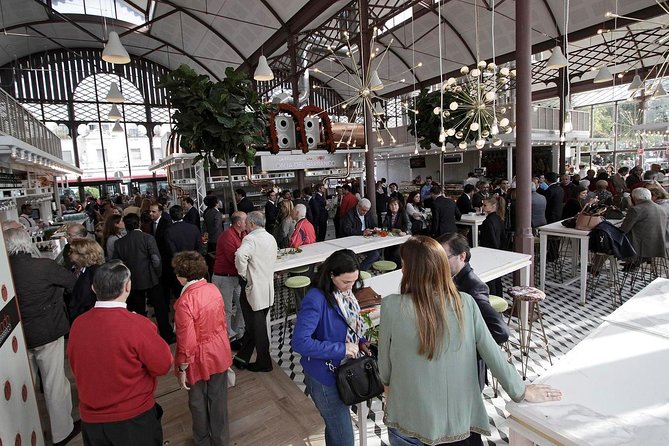
The most distinctive promise of this tour is its attention to the corrales de vecinos. These shared residential courtyards were built around common space, often open to the sky. They offer a very different picture of Triana from the riverfront bars and busy streets.
You may find narrow entrances leading to patios where everyday life once centered on shared washing areas, conversations, and close community ties. The tour presents these courtyards as inherited pieces of local life, not decorative backdrops. That makes the stop valuable, especially if you want to understand how working families lived in older Seville.
The quiet patios also provide a change of pace. After the bridges and main streets, you get a chance to see the neighborhood’s more private character. The contrast is one of the tour’s best features: public Triana outside, intimate Triana inside.
Respect is important here. These are old residential spaces and historic courtyards, not theme-park sets. Listen to the guide’s instructions, avoid blocking entrances, and keep voices low.
The route also points out the Patio de la Espartería, another courtyard connected with traditional architecture. Details such as this help turn a general walk into a more focused look at the built fabric of Triana.
A few more Seville tours worth comparing
- Seville: Royal Alcázar Entry Ticket
★ 4.6 · 28,378 reviews - Seville: Cathedral and La Giralda Entry Ticket
★ 4.5 · 24,592 reviews - Seville: Live Flamenco Dancing Show Ticket at the Theater
★ 4.7 · 16,396 reviews - Seville: Casa de la Memoria Flamenco Show
★ 4.8 · 12,964 reviews
San Jacinto, San Jorge, and the weight of the past
The old Dominican Convent of San Jacinto adds another layer to the walk. The guide explains the legacy of the Christian orders and the role of the convent in Triana’s religious story. Even if you are not especially interested in church architecture, the stop gives useful context for the neighborhood’s long connection with faith and charitable work.
The tour then reaches the old Castle of San Jorge. This site brings a darker note. It is linked with the passage of the Spanish Inquisition, and the guide uses it to explain a difficult chapter in Seville’s past.
This is one reason a local guide adds value. A castle site can be easy to pass without understanding what happened there. Here, the location becomes part of a larger story about power, fear, religion, and public memory.
The route also includes Calle San Jorge, where the setting shifts back into ordinary neighborhood streets. That movement between major historic sites and daily life feels true to Triana. The past is not placed in one isolated monument. It appears in churches, courtyards, street names, and local traditions.
Soap tunnels, old factories, and Triana ceramics

Triana’s craft traditions receive plenty of attention. You learn about the Royal Almohad Almonas and the tunnels where soap was produced. The story reaches beyond Seville because this soap became popular in Europe and America.
This is an appealing stop for anyone who likes the practical side of history. You are not only hearing about rulers and religious figures. You are learning how a product was made, where it was produced, and how local work could reach distant markets.
The route also refers to the old artisan factories and the great kilns of the San Ana Ceramic Factory. Ceramics are central to Triana’s image, and this part of the tour explains why. Tile and pottery are not just colorful decoration here. They are tied to local work, design, trade, and the appearance of Seville itself.
The factory visit should be understood as a guided look at the tradition and site, not automatically as a full hands-on workshop. The supplied details do not promise a pottery class or a shopping session. If you want to buy ceramics, ask the guide for current suggestions during the walk.
Betis Street, San Jacinto, and flamenco Triana
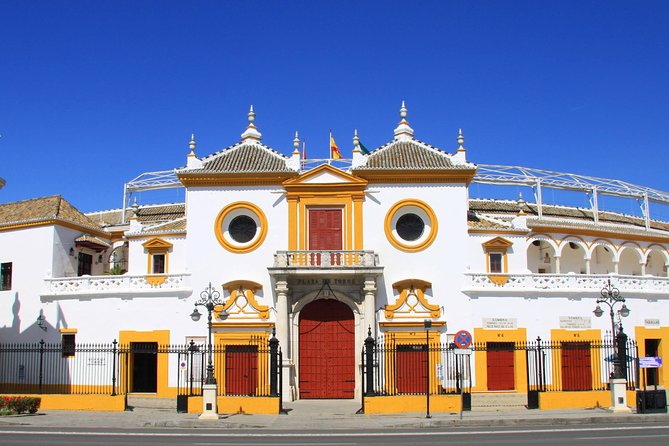
Betis and San Jacinto streets bring you back to the social side of the neighborhood. Bars, stories, legends, and local meeting places fill this part of the route. The atmosphere is more outgoing than in the quiet courtyards, and it helps explain Triana’s reputation for music and flamenco grace.
You are not promised a flamenco performance. Instead, the guide places flamenco within the streets and customs of the neighborhood. That distinction matters. This is a cultural walking tour, not a ticketed evening show.
The guide also helps with food planning. Near the end of the walk, you receive advice on what and where to eat in Triana, Seville, and the local gypsy tradition. That can be more useful than a generic restaurant list because you can ask for recommendations based on your own taste.
I would save lunch or dinner for after the tour. Since the route ends near the Triana Market area, you can use the guide’s suggestions while the neighborhood is fresh in your mind. The tour price does not include tapas or drinks, so budget separately for that part.
The market, Capillita del Carmen, and the final stretch
The Triana Market is one of the most practical final stops. Markets show how a neighborhood feeds itself, celebrates food, and gathers in public. It is also a good place to connect the historical walk with the rest of your day.
The guide discusses the market and can point you toward useful food choices. If you are planning to eat nearby, pay attention to the advice rather than rushing off as soon as the formal walk ends.
The Capillita del Carmen is another small but meaningful stop. Its size makes it easy to overlook, yet it has a strong place in local devotion. The guide shares its secrets and explains why this little chapel matters to people crossing the bridge and entering Triana.
The published finish is given as the Triana Market area, with the listed endpoint at Pl. del Altozano, 16A. At the same time, the meeting information says the activity ends back at the meeting point. Because those details do not match perfectly, ask Sevilla&ME to confirm the endpoint before you go. Either way, the route keeps you in a useful part of Triana rather than leaving you far from the main sights.
What $14 buys you
At $14 per person, this is a strong-value tour if you want orientation and local context. In two hours, you cover bridges, churches, courtyards, religious sites, craft traditions, the market, and major neighborhood stories. Trying to assemble that route alone would require planning and a fair amount of map checking.
The best value comes from access to interpretation. A courtyard or church can look attractive without telling you much. The guide connects each stop to Triana’s working life, faith, craft, and legends.
The price does not include food, drinks, transport, or a separate flamenco show. It is also not an extended interior tour of every site. Think of it as a focused walking introduction that gives you a better sense of where to return later.
The published rating is 4.3 out of 5 from 11 ratings, and the strongest praise centers on the guide’s ability to explain Triana’s customs, traditions, and history in detail. One positive comment specifically names José and describes him as an excellent guide. Since guide assignments can change, treat José as an example rather than a guarantee, but expect a Spanish-speaking official guide with strong communication skills.
Timing, comfort, and who should book
The route is described as wheelchair accessible, with comfortable stops and no hills. That makes it easier than many old-city walks, though courtyards, churches, and historic interiors can still have their own surfaces or access limits. If you use a wheelchair, confirm the exact access arrangements for the corrales, Castle of San Jorge, and any church interiors before booking.
In summer, the route uses only shaded stops. In winter, stops are placed in the sun. That seasonal approach is practical in Seville, but carry water in hot weather and sun protection in every season.
The tour is conducted in Spanish. This is the right choice for you if you can follow spoken Spanish and want a fuller local explanation. If you need an English-language tour, this activity does not meet that need.
Children and teenagers occupy a seat, so include them in the booking. Speakers are not allowed, which keeps the walk quiet and makes sense around churches and residential courtyards.
I would recommend this for first-time visitors who have already seen Seville’s central sights and want a neighborhood with a stronger local identity. It also suits repeat visitors, architecture fans, people interested in religious traditions, and anyone curious about pottery, flamenco, and older community life.
Should you book the Complete Triana Tour?
Book it if you want more than the bridge, river, and bar-lined street. The corrales, soap tunnels, ceramic traditions, churches, and Castle of San Jorge give the walk a clear purpose, while the market and food advice make it useful for the rest of your stay.
Skip it if you want an English tour, a formal flamenco performance, or a slow, single-site museum visit. The pace covers a lot in two hours, and the Spanish explanations require attention.
For $14, the balance is very good. Confirm the meeting and end points, include a working WhatsApp number, and choose a time that suits the heat. If those details work for you, this is an affordable way to see the Triana that many people miss.
FAQ
Where does the tour begin?
Meet the guide at the Torre del Oro gate next to the cannons, not down by the river.
Where does the tour end?
The route information gives the Triana Market area and Pl. del Altozano, 16A as the endpoint. Another instruction says the activity ends back at the meeting point, so confirm the exact end point with Sevilla&ME.
How long is the tour?
The walking tour lasts two hours.
What language is the tour conducted in?
The live tour guide speaks Spanish.
Is the tour wheelchair accessible?
Yes. The activity is listed as wheelchair accessible, and the route is described as comfortable with no hills.
What should I provide when I book?
Include a mobile phone number with WhatsApp. The tour provider may use it to send meeting instructions and contact you about delays or arrival questions.
Just added around Seville
- Seville: Wine and Gourmet Tapas Tour★ 5.0 · 3 reviews
- Tapas Tour Cordoba & Wine Experience with chef and sommelier★ 4.8 · 3 reviews
- The most complete tour of Seville: All the highlights included★ 5.0 · 3 reviews
- Seville: Spritz Tasting Experience★ 4.8 · 3 reviews
- Ronda and White Villages Private Day Trip from Seville★ 5.0 · 3 reviews
- Jerez: Historic center of Jerez and horse show★ 5.0 · 3 reviews
- SEVILLE: REAL ALCÁZAR TOUR★ 5.0 · 3 reviews
- Royal Alcazar of Seville Guided Tour★ 5.0 · 3 reviews
Triana Tours, compared.
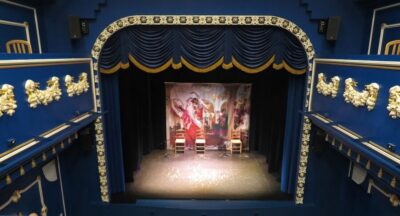
Live Flamenco Show at “Teatro Flamenco Triana”
Read our review →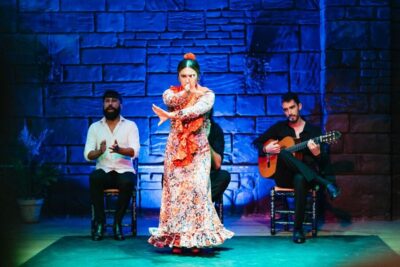
Baraka Sala Flamenca Show with Drink in Triana
Read our review →

Spanish Cooking Class & Triana Market Tour in Sevilla
Read our review →
3.5-Hour Spanish Cooking Class & Triana Market Tour
Read our review →
Flamenco Show Tickets to the Triana Flamenco Theater
Read our review →
Browse the lists this tour appears in