
Reviewed · DONANA NATIONAL PARK TOURS
From Seville: Doñana National Park Day Trip
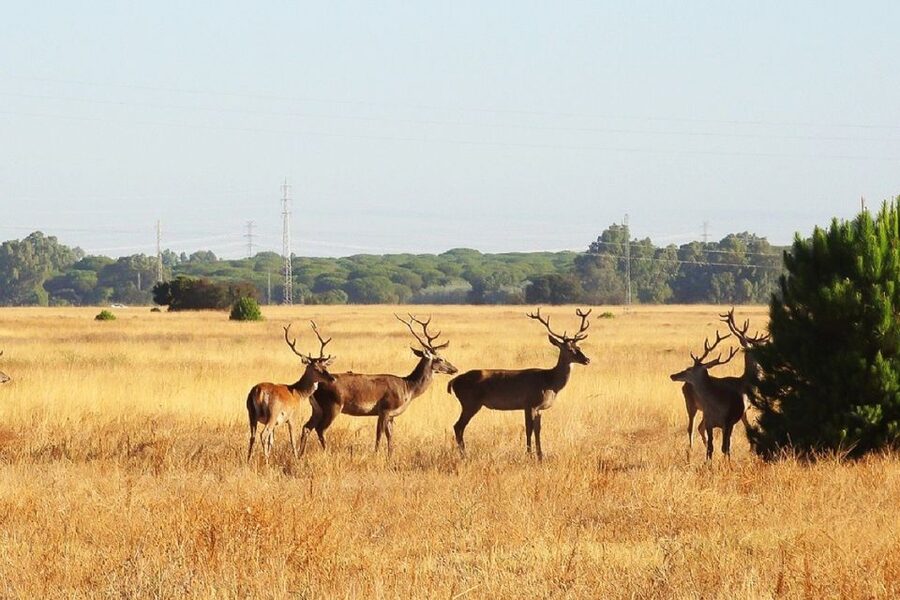
The best part of this Doñana day trip is its range. In one long day, you move from Guadalquivir marshes and rice fields to pine forest, village streets, huge dunes, and the Atlantic coast. Birdlife is the main event, but deer, wild boar, and even lynx tracks may appear along the way.
I like the way the guides work hard to find wildlife, sometimes slowing down, reversing, or making a short detour for a better view. I also like that the tour crosses Doñana from north to south instead of showing you one small corner. The tradeoff is clear: there is a lot of driving, and some stops, especially El Rocío and Matalascañas, can feel brief.
In This Review
- Key points to know before booking
- Why Doñana makes a worthwhile day from Seville
- The 50-minute ride out of Seville
- Dehesa de Abajo and the northern marshes
- Rice fields and Europe’s stork colony
- El Rocío: a short stop with a strong local identity
- La Rocina and the walking portion
- Matalascañas, dunes, and the Atlantic
- What the guides add to the day
- Shared, small-group, or private?
- Best seasons and realistic wildlife hopes
- Is the $105 price fair?
- Should you book this Doñana day trip?
- FAQ
- How long does the Doñana National Park day trip last?
- Is hotel pickup and drop-off included?
- What languages are available?
- Is this a private tour?
- Are meals and drinks included?
- Are binoculars provided?
- Can I swim in the sea?
- Will I definitely see an Iberian lynx?
- What should I bring?
- Can I bring my pet?
Key points to know before booking
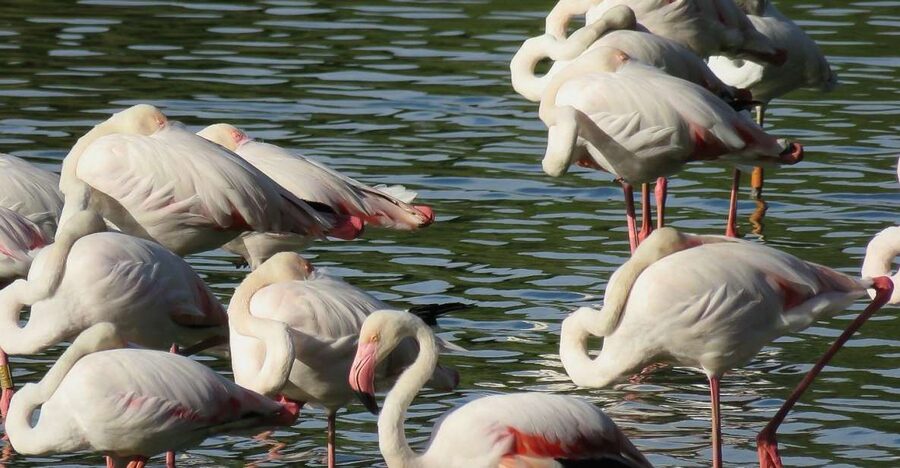
- Birdwatching is the strongest reason to go: Flamingos, storks, egrets, ibises, herons, raptors, and many other species may be seen.
- The route covers several habitats: Marshes, rice fields, pine woods, open pasture, streams, dunes, and Atlantic beach.
- Guides make the difference: José, Sergio, Luismi, Patricia, Diego, and others are praised for spotting animals and explaining the area.
- Expect a road-based nature day: You get some walks, but much of the park is viewed from the vehicle.
- Lynx sightings are never guaranteed: You might see tracks or get close to one, but the animal is elusive.
- Summer includes a beach stop: You can swim in the Atlantic, while cooler months are better for bird numbers and greener scenery.
Why Doñana makes a worthwhile day from Seville
Seville gives you grand buildings, tapas, and busy squares. Doñana gives you space. This protected area near the mouth of the Guadalquivir River is one of southern Spain’s great nature regions, with wetlands, woods, grazing land, dunes, and coast all packed into one vast area.
That variety matters. If you like birds, you can spend the morning watching marsh species and storks, then finish the day beside the sea. If you are more interested in scenery, the changing terrain keeps the trip from feeling repetitive.
The tour is rated 4.3 out of 5 from 380 bookings, and the praise is concentrated in one place: the guides. José is repeatedly described as attentive and skilled at finding animals. Sergio is praised for his passion and knowledge of Doñana’s plants and wildlife. Luismi, Patricia, Diego, Ramon, and other guides also receive strong marks for making a long day interesting.
At $105 per person, this is not a cheap transport option. It is a guided nature expedition with hotel pickup, a vehicle, park interpretation, wildlife spotting, and a route that would be difficult to manage on your own in one day. I consider the price fair if you care about birds and ecosystems. It is less convincing if you mainly want a relaxed beach day or long walks.
More Donana park trips:
- Donana National Park: Guided Day Tour from Seville
★ 4.5 · 372 reviews - Donana National Park and El Rocío: Guided Tour from Seville
★ 4.5 · 240 reviews - Horseback riding around Doñana National Park
★ 5.0 · 89 reviews
The 50-minute ride out of Seville
Pickup is available from your hotel, and you should wait in the reception or lobby 10 minutes before the scheduled time. Confirm the pickup details carefully, since one booking was delayed after the traveler did not realize the company would contact them through WhatsApp.
The first drive takes about 50 minutes and passes through Coria del Río, on the Guadalquivir. This is not dead time. It takes you out of the city and toward the wetland country that supports Doñana’s bird population.
The vehicle is generally described as comfortable and modern, although a full seven-seat minibus can feel tight, especially from the back. One booking also reported a mechanical noise and vibration, so vehicle comfort may depend on the particular day and van.
Dehesa de Abajo and the northern marshes
The first main stop is the visitor center at Dehesa de Abajo, in the northern part of Doñana’s marshes. You get about two hours for a guided visit and photo stops.
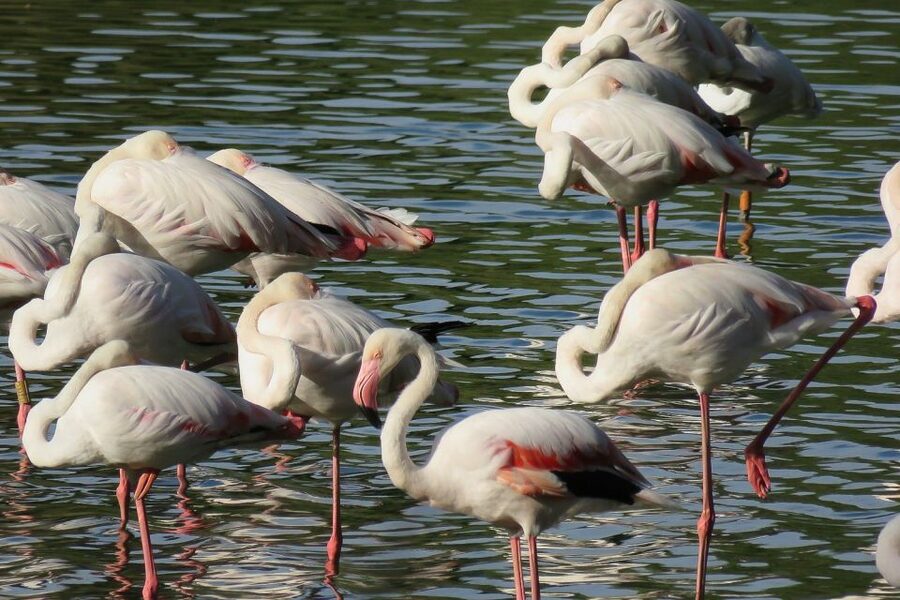
This area is a good introduction because it brings together open water, pine trees, and pasture. Around 300 bird species are associated with the park, including flamingos and the Spanish imperial eagle. The exact sightings depend on season, weather, and luck, but the guides carry binoculars and work to put you in the right place.
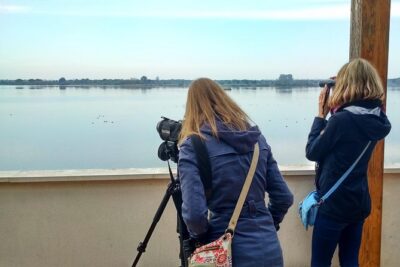
The tour provides binoculars, which is helpful, though I would bring your own pair if birdwatching is a serious interest. One keen birder counted about 70 species during the day, including an osprey, griffon vulture, purple swamp hen, black kite, barn owl, Thekla’s lark, and great spotted cuckoo. That is an unusually productive day, but it shows what is possible when conditions and guide skill line up.
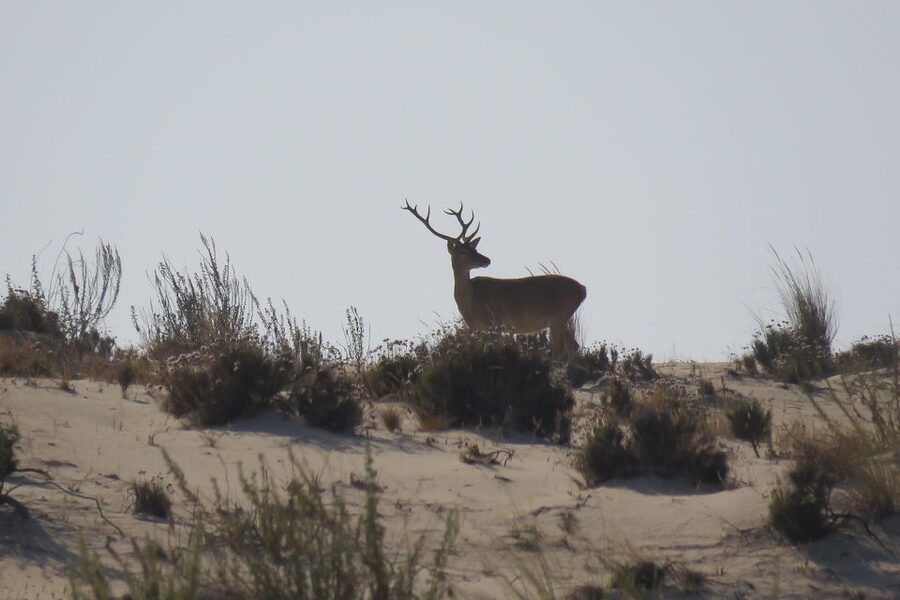
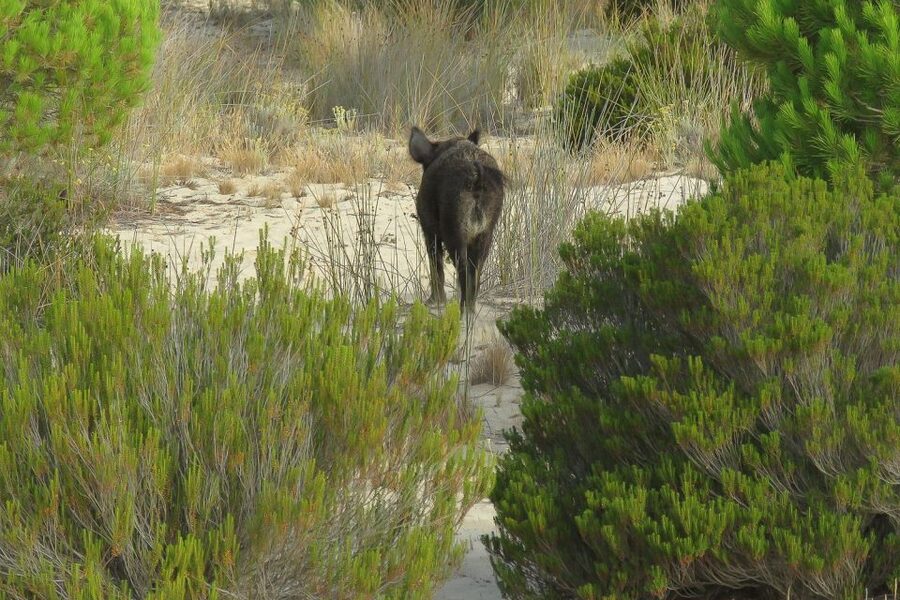
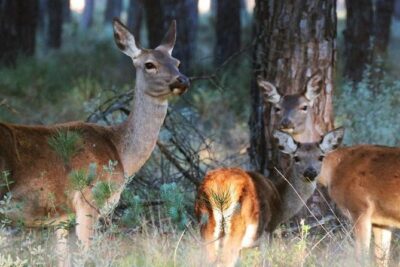
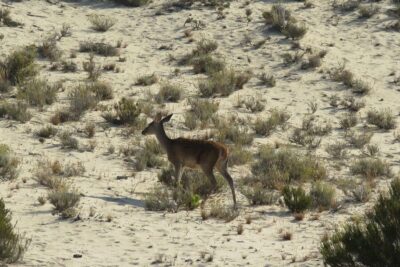
Doñana is also famous for its large mammals. You might see deer and wild boar, while the Iberian lynx is the thrilling possibility. Keep expectations sensible. The lynx is elusive, and one person saw only pawprints. Another came close to a sighting thanks to the guide’s sharp eyes and persistence.
A December booking initially had poor luck with flamingos, so the guide took the group to another reserve area to find them. That is a useful sign of good guiding. Wildlife is not a scheduled performance, and a guide who can adjust the route adds real value.
Rice fields and Europe’s stork colony
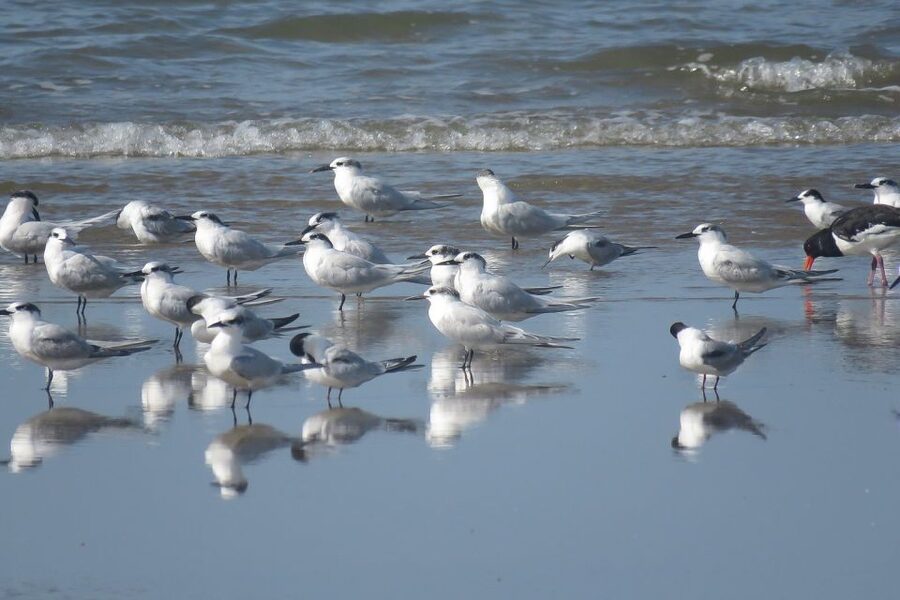
The route passes a rice-growing area known for Europe’s largest colony of storks. It is one of the tour’s more unusual details, since the setting connects farming with the wetland system rather than presenting Doñana as untouched wilderness.
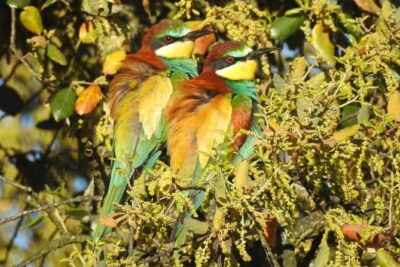
The bird count can build quickly here. Storks may be joined by glossy ibises, blue herons, little egrets, great white egrets, and flamingos. In winter, nearby lakes can be especially rewarding for birdwatching. In summer, the scenery is often drier, with stronger sun and fewer visible waterbirds.
This is a good place to remember that the tour is not a walking safari. The guide may stop, reposition the vehicle, or use binoculars and a telescope, but you will spend plenty of time looking from the road or vehicle. If you want hours on foot beside a lake, this may not be the right format.
A few more Seville tours worth comparing
- Donana National Park and El Rocío: Private Tour from Seville
★ 4.5 · 41 reviews - El Rocío: Doñana National Park Horseback Riding Tour
★ 3.5 · 35 reviews - El Rocío: Doñana National Park 4×4 Guided Tour
★ 3.5 · 31 reviews - Doñana National Park Off-Road Tour from Seville
★ 4.6 · 17 reviews
El Rocío: a short stop with a strong local identity
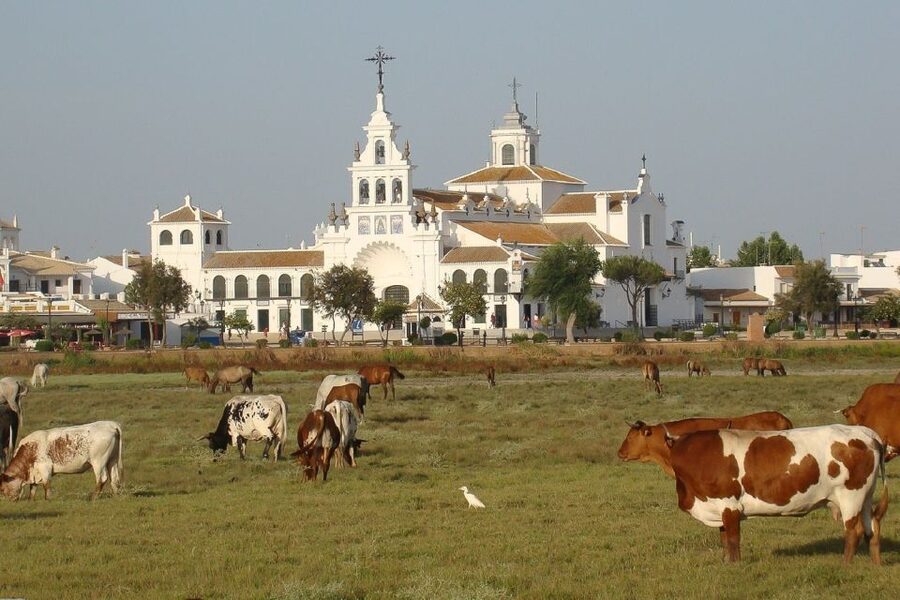
Next comes El Rocío, a village famous for its chapel and observatory. You have roughly an hour here, including a guided visit and time for photos.
El Rocío feels different from Seville and from the wetlands. The village is closely tied to the pilgrimage tradition connected with its chapel, and the sandy streets give it a distinctive character. The stop adds cultural context to a day otherwise focused on wildlife.
The drawback is time. Several people wanted longer to walk around El Rocío or learn more about its history. The hour also has to compete with lunch, birdwatching, and the rest of the route, so you should not expect a full village tour.
There is also a practical issue for birders. El Rocío can offer good birdwatching, and some people would prefer more time there with a guide rather than saving every wildlife stop for the park road. The tour tries to cover a great deal, but the schedule cannot give every place the attention it deserves.
La Rocina and the walking portion
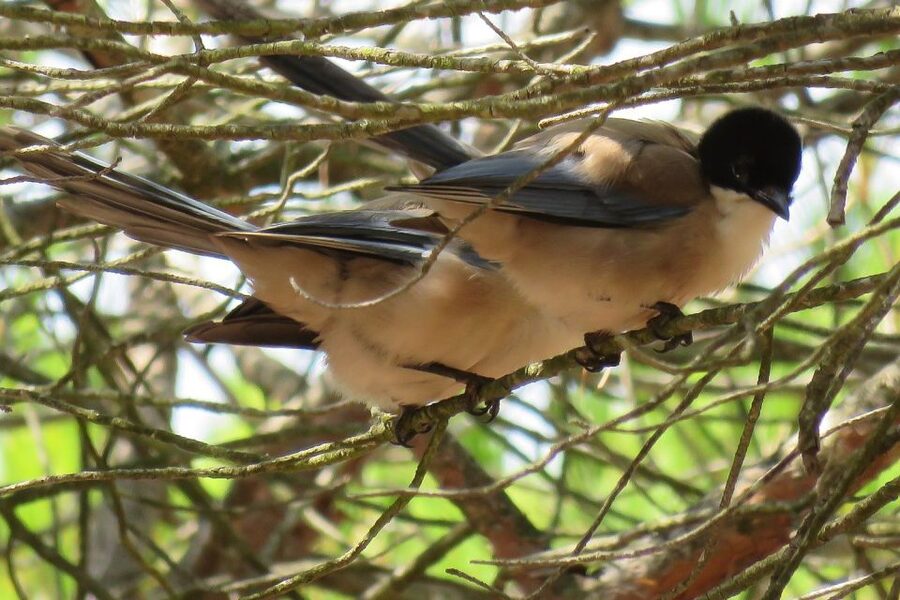
After El Rocío, the group continues toward the La Rocina stream area, where you walk on trails near the water. This is one of the more satisfying parts for anyone who wants to leave the vehicle and see the park at a slower pace.
The walk helps you notice the smaller details of Doñana: plants, insects, water edges, and changes in the ground beneath the pine trees. One booking specifically praised the walk through the forest, while another said the day included less walking than expected. Both impressions can be true. There is walking, but the overall experience remains a driving tour.
Wear comfortable shoes, since the day combines trails, viewpoints, village streets, and sandy areas. Sunglasses, a hat, and sunscreen are essential in the warmer months. Bring water and food or snacks, since meals and drinks are not included.
Matalascañas, dunes, and the Atlantic
The final major stop is Matalascañas, reached after about 30 minutes on the road. The visit lasts around two and a half hours in the planned schedule, though the time can be divided among lunch, the beach, dunes, photos, and guided activity.
The coast shows Doñana in a completely different mood. Spain’s largest dune system spreads through the Asperillo area, and the pine forest near the dunes can look especially beautiful in the late afternoon. The return drive is timed to make use of sunset views through the trees when conditions allow.
In summer, you can take a swim in the Atlantic. That is a welcome change after a warm day in the vehicle and on sandy trails. In spring or autumn, the beach and dunes are better treated as a scenic walk and photo stop.
Pay attention to the timing here. One booking had only about 35 minutes to enjoy the beach and dunes, while other experiences describe plenty of stops and time for refreshments. The actual balance can vary with wildlife sightings, traffic, group interests, and the guide’s decisions. If beach time is your priority, say so early.
Lunch is not included, and the day includes about 1.5 hours to relax for lunch on some departures. Pack something or plan to buy food during the stop, but do not assume a meal is part of the $105 price.
What the guides add to the day
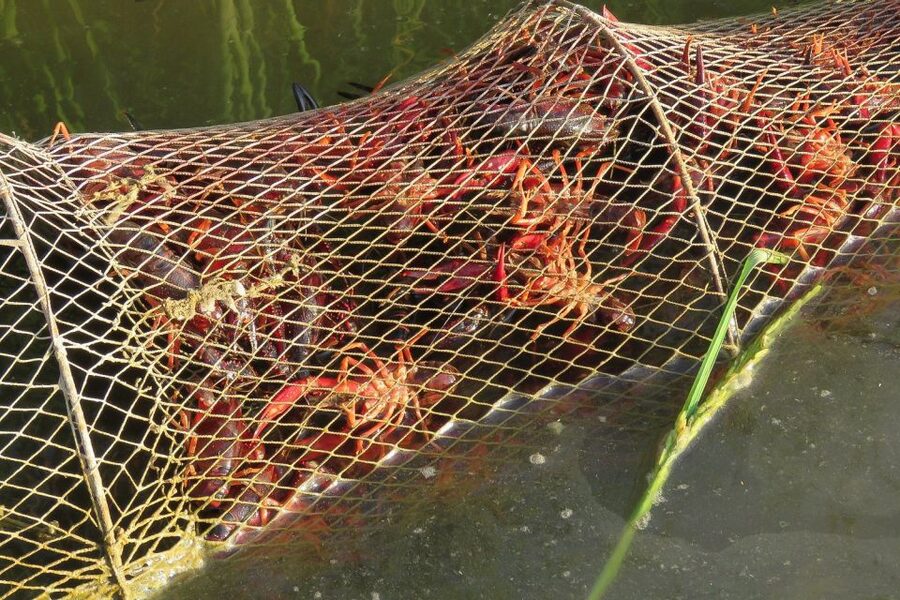
A guide is essential in Doñana. The park is large, habitats are spread out, and many animals are easy to miss without someone who knows where to look.
José is praised for spotting animals quickly and repositioning the vehicle so everyone can see. Sergio is noted for his passion for biodiversity and willingness to make detours. Luismi is described as enthusiastic and well informed about both wildlife and local traditions. Patricia receives praise for answering questions and explaining the environment throughout a long day.
The best guides also set realistic expectations. They cannot produce a lynx on command, but they can show you tracks, explain where the animal lives, and help you appreciate the smaller sightings. A day with dozens of ordinary-looking birds can become memorable when you understand what you are seeing.
Language availability includes English, French, Italian, and Spanish. For a specific language, at least four people who speak it are required. If that minimum is not met, the operator may offer another language, another date, or a full refund after confirmation.
Shared, small-group, or private?
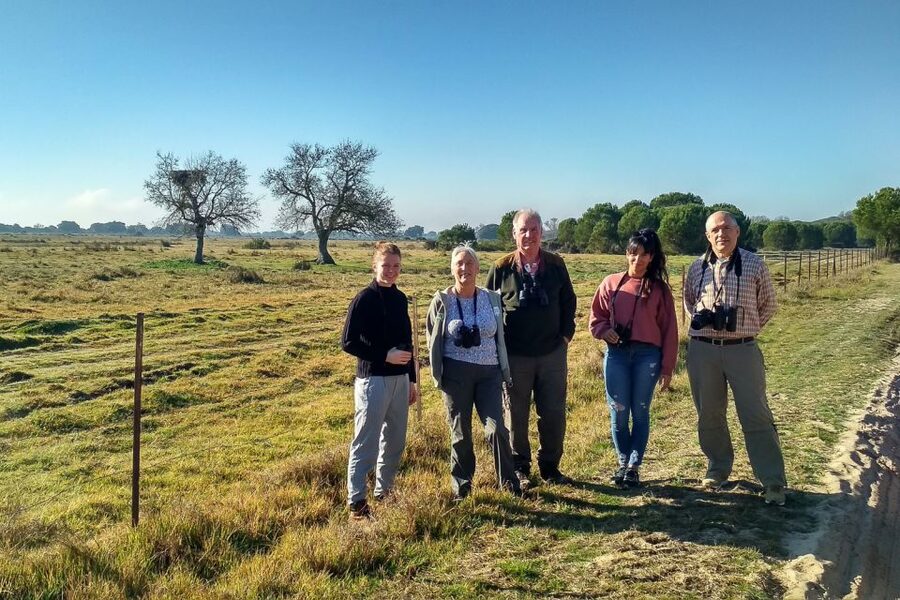
You can choose a shared or private experience, and small groups are available. A private outing makes the most sense if you want to focus on birds, photography, wildlife, or a particular language. It also gives the guide more room to adjust the route to your interests.
A shared trip is better value and still benefits from the guide’s local skill. The main compromises are seat position, group pace, and less control over how long you spend at El Rocío or the beach. A full vehicle can make the back seats less useful for viewing.
Families can request infant seats in advance. Pets are not allowed. The tour lasts 10 hours, so it is a serious full-day commitment rather than a quick escape from the city.
Best seasons and realistic wildlife hopes
Spring is a strong choice if you want active nature and a good mix of birds. One booking specifically suggested spring for seeing more nature. Winter can also be excellent for birds around the lakes, and the park may look greener with fewer people around.
Summer brings heat and the chance to swim in the Atlantic, but the park can look dry. Bring sun protection and expect long periods in bright conditions. Autumn offers pleasant wildlife possibilities, while late afternoon light can be lovely around the dunes and pine forest.
The lynx should be treated as a bonus, not the purpose of the booking. Deer, wild boar, raptors, storks, herons, ibises, and smaller birds are more realistic targets. The natural appeal is the variety of habitats and the chance to see wild animals in a large protected area, not a guaranteed checklist.
Is the $105 price fair?
For $105, you receive hotel pickup and return, transportation, a live guide, binoculars, and a 10-hour route through several parts of Doñana. You also avoid the challenge of navigating a huge protected area and trying to identify distant birds without local help.
The cost feels strongest for birdwatchers and people without a car. It also works well for first-time visitors who want a broad introduction rather than a single wetland walk. The value drops if you dislike long drives, want independent time, or mainly want to relax on the beach.
The free cancellation option up to 24 hours before departure and the reserve-now-pay-later arrangement make the booking less risky. Still, meals, drinks, and any personal equipment beyond the provided binoculars are extra.
Should you book this Doñana day trip?
Book it if you want a full picture of Doñana in one day, especially marshes, stork-filled rice fields, pine woods, dunes, and beach. It is a strong choice for birdwatchers, nature fans, photographers, and anyone ready to trade Seville’s city streets for a long day outdoors.
Choose the private option if your group has a clear wildlife or photography goal. Choose shared transport if price matters more than control. I would book in spring or winter for stronger birdwatching, and in summer only if the Atlantic swim is part of the appeal.
Skip it if you expect a relaxed beach outing, a full day of walking, or a guaranteed lynx sighting. Doñana rewards patience, open eyes, and a willingness to spend time on the road. With the right expectations, it is one of the more distinctive day trips you can make from Seville.
FAQ
How long does the Doñana National Park day trip last?
The experience lasts 10 hours, including pickup from Seville, transportation, guided visits, and the return journey.
Is hotel pickup and drop-off included?
Yes. Hotel pickup and drop-off in Seville are included. You should wait in your hotel reception or lobby 10 minutes before the scheduled pickup.
What languages are available?
Live guiding is available in English, French, Italian, and Spanish. A minimum of four people speaking a requested language is needed to accommodate that language.
Is this a private tour?
You can choose between a private experience and a shared small-group option.
Are meals and drinks included?
No. Meals and drinks are not included, so bring snacks and water or plan to arrange food during the day.
Are binoculars provided?
Yes. Binoculars are included. If birdwatching is especially important to you, bringing your own pair may give you a better view.
Can I swim in the sea?
In summer, the tour allows time to go into the Atlantic and take a swim. Beach time may vary depending on the day’s schedule.
Will I definitely see an Iberian lynx?
No. Lynx sightings are not guaranteed. You might see a lynx, tracks, or other larger mammals such as deer and wild boar.
What should I bring?
Bring comfortable shoes, sunglasses, a sun hat, and sunscreen. Food and drinks are not supplied.
Can I bring my pet?
No. Pets are not allowed on this activity. Infant seats are available if requested in advance.
More 1-Day Tours in Seville
- From Seville: Pueblos Blancos and Ronda Full-Day Trip
★ 4.5 · 3,849 reviews - From Seville: Ronda+Setenil de las Bodegas Day Trip
★ 4.4 · 3,562 reviews - From Seville: Cordoba, the Mosque and Carmona Day Trip
★ 4.5 · 1,967 reviews - From Seville: Granada Day Trip with Alhambra and Albaicín
★ 4.4 · 1,499 reviews
Just added around Seville
- Seville: Wine and Gourmet Tapas Tour★ 5.0 · 3 reviews
- Tapas Tour Cordoba & Wine Experience with chef and sommelier★ 4.8 · 3 reviews
- The most complete tour of Seville: All the highlights included★ 5.0 · 3 reviews
- Seville: Spritz Tasting Experience★ 4.8 · 3 reviews
- Ronda and White Villages Private Day Trip from Seville★ 5.0 · 3 reviews
- Jerez: Historic center of Jerez and horse show★ 5.0 · 3 reviews
- SEVILLE: REAL ALCÁZAR TOUR★ 5.0 · 3 reviews
- Royal Alcazar of Seville Guided Tour★ 5.0 · 3 reviews
Donana National Park Tours, compared.
Donana National Park: Guided Day Tour from Seville
Read our review →
Donana National Park and El Rocío: Guided Tour from Seville
Read our review →
Birding & Photography Day Trip to Doñana from Seville
Read our review →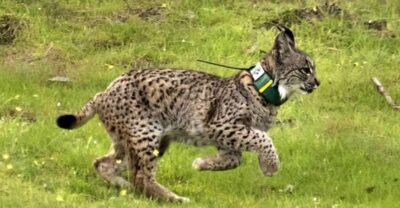
Donana National Park and El Rocío: Private Tour from Seville
Read our review →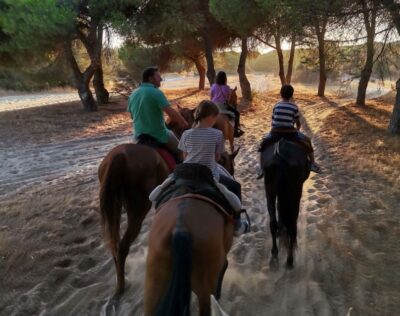
Browse the lists this tour appears in