
Reviewed · FLAMENCO SHOWS
Seville: Fun class to approach Flamenco
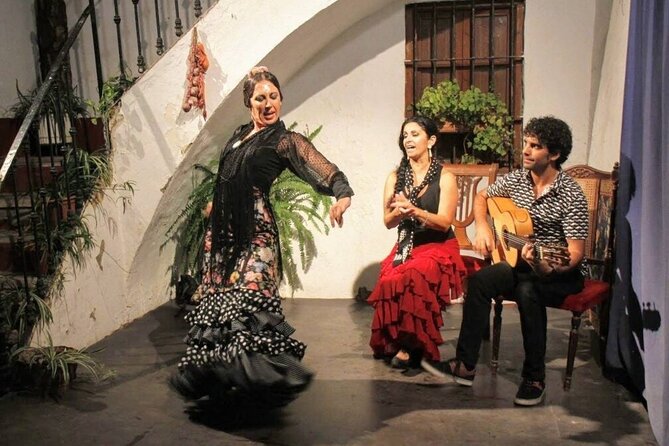
Flamenco is easier to admire than to attempt. This Seville class gets you past the audience side of the art, starting with palmas, the hand-clapping rhythm, before adding arms, feet, and a short dance sequence. Luna teaches with patience, humor, and a professional dancer’s eye for detail.
I like the steady build from simple rhythm to a complete patá por tangos, and I like the setting: a working dance studio in the artist-filled area around Plaza Pelícano, rather than a staged dinner show. The main consideration is time. One hour is enough for a satisfying introduction, but not enough to master flamenco technique, and the $42.05 price can feel high if you book alone.
In This Review
- Key points at a glance
- Why this one-hour class works
- Meeting Luna near Plaza Pelícano
- First step: finding the compás through palmas
- Adding hands, arms, and flamenco expression
- Footwork, markings, the call, and the finish
- What the class teaches about flamenco
- Group size and the chance of a private lesson
- Who should book this Seville flamenco class
- Price, timing, and practical value
- Tips for getting more from the hour
- Should you book it?
- FAQ
- Where does the flamenco class begin?
- Where does the activity end?
- How long does the class last?
- Is the class offered in English?
- What will I learn during the lesson?
- How many people can join the class?
- Can I cancel for a full refund?
Key points at a glance
- You learn a complete mini-sequence: The class works toward a short tango routine, including markings, a call, and a final finish.
- Rhythm comes first: You begin with palmas and the compás of tangos, which helps you understand what you later see at a performance.
- Luna teaches beginners carefully: She breaks down finger, hand, arm, and foot movements and adjusts the pace to the group.
- The setting feels connected to local art: The meeting point is Plaza Pelícano in Seville’s Casco Antiguo, with the class held in a dance studio among artist workshops.
- Small groups may become private lessons: The maximum is 30 people, but several sessions have ended up as one-on-one or very small classes.
- The class works best before a show: Learning the basic structure first can make a later flamenco performance easier to follow.
Why this one-hour class works
The smart part of this experience is its order. You do not begin by trying to copy a full dance at speed. You first learn the rhythm, then the upper body, then the feet, and only after that do the pieces get connected.
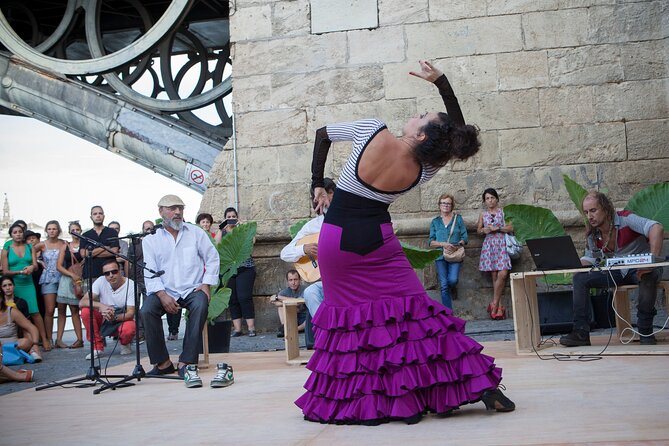
That matters because flamenco is not just a collection of dramatic poses. The hand shapes, finger movements, arm positions, weight shifts, foot patterns, and rhythmic accents all have a job. Even a short lesson gives you a better sense of how much control the form requires.
Luna’s teaching style is warm and direct. She uses empathy and laughter to keep the room relaxed, but the class still has a clear structure. Beginners can follow along, while people with some dance experience may appreciate the finer points of posture, timing, and coordination.
You should not expect a full professional training session. You will not become a flamenco dancer in sixty minutes. You can, however, leave with a short sequence you can repeat, a better ear for tangos, and a new respect for the difficulty of what you see onstage.
More flamenco shows in Seville:
- Seville: Live Flamenco Dancing Show Ticket at the Theater
★ 4.7 · 16,396 reviews - Seville: Casa de la Memoria Flamenco Show
★ 4.8 · 12,964 reviews - Seville: Puro Flamenco Show with Optional Museum Ticket
★ 4.8 · 6,088 reviews
Meeting Luna near Plaza Pelícano
The class begins at Plaza Pelícano, in Seville’s Casco Antiguo. The supplied meeting information gives the address as Pl. Pelícano, 41003 Sevilla, and the activity returns to the same meeting point at the end.
The location is part of the appeal. The class takes place in a dance studio in an area associated with artists and workshops, giving the hour a more grounded feel than a tourist-only demonstration. You are going to a place where dance is practiced, not simply presented as decoration.
The exact room can matter. One session was held in a private studio with artist workshops nearby, and the atmosphere was described as typical and authentic. This is not a grand theater visit, and you should not expect elaborate production, costumes, or props. The reward is the chance to work directly with an instructor in a real dance setting.
Wear clothing that lets you move freely. Suitable dance shoes are helpful, especially once you begin the footwork. The activity is near public transportation, and service animals are allowed. Most people can participate, but anyone with mobility concerns should consider that the class includes standing, arm movements, and footwork.
First step: finding the compás through palmas
The opening exercise is palmas, the hand-clapping used to support flamenco rhythm. You will clap along to the compás of tangos, learning where the beats fall and how the rhythm keeps the dance together.
For a beginner, this may be harder than expected. Clapping a steady beat while listening to a new musical pattern requires concentration. That is exactly why starting here helps. Instead of treating the music as background, you begin to feel the structure that guides the dancer.
The lesson may include listening to examples of tango and clapping along. This gives you a useful reference before your feet start moving. You do not need to arrive with musical training. The instruction is designed to break the pattern into manageable pieces and build it slowly.
I consider this the most valuable part for anyone planning to attend a flamenco show in Seville later. Once you have tried to keep the rhythm yourself, you will notice the relationship between the dancer, the singer, the clapping, and the footwork with much sharper ears.
Adding hands, arms, and flamenco expression
After the rhythm comes the upper body. You learn how to move your hands and arms, including the controlled gestures that make flamenco instantly recognizable.
This is where the class begins to reveal its technical side. Flamenco arm movements are not casual waving. The wrists, fingers, elbows, and shoulders need to work together, and small details affect the look of the whole phrase. One beginner particularly appreciated learning how intricate the finger movements are.
Luna’s method is to simplify the movements without pretending they are simple. She demonstrates, lets you try, and adjusts the pace. That approach is useful for mixed groups, since some people may have dance experience while others are starting from zero.
The mood stays light. You are encouraged to laugh at the awkward bits rather than freeze up when your arms and feet do not cooperate. That relaxed atmosphere is important because flamenco asks you to use your body in unfamiliar ways, often while keeping time and remembering a sequence.
A few more Seville tours worth comparing
- Seville: Flamenco Dance Class with Optional Costume
★ 4.9 · 1,032 reviews - Seville: Spanish Cooking Class with Dinner
★ 4.9 · 900 reviews - Spanish Cooking Class & Triana Market Tour in Sevilla
★ 5.0 · 760 reviews - Seville: 3.5-Hour Spanish Cooking Class & Triana Market Tour
★ 4.9 · 751 reviews
Footwork, markings, the call, and the finish
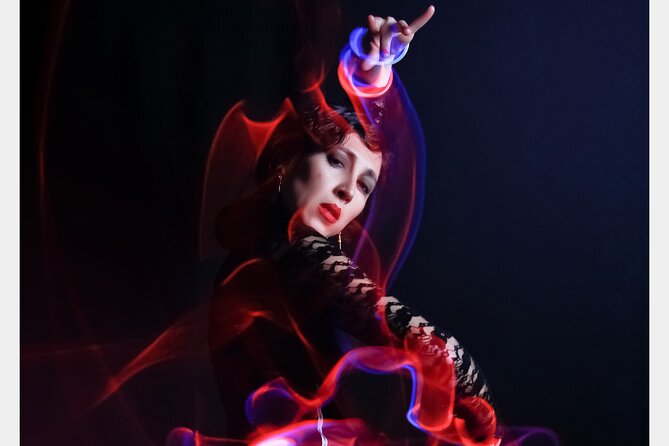
Next comes the footwork. You work with movements to the tango beat, then add various markings. In flamenco, markings are the steps and gestures that shape the dance between larger accents, so this section helps turn isolated moves into a phrase.
The class then adds a call and a final shot, or finish. These terms may sound specialized, but the instructor demonstrates each part and connects it to the routine. The goal is not to teach a dictionary of flamenco vocabulary. It is to give you enough structure to perform a short passage with the rest of the group.
This progression is satisfying because you can feel the routine taking shape. At first, you are only clapping. Then you are working on arms, feet, and timing separately. By the last part of the class, the movements have been joined into something recognizable as flamenco.
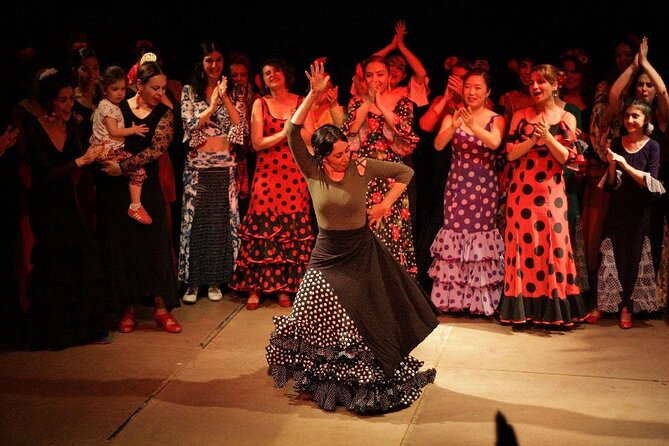
The final exercise brings everyone together. Luna sings a tango lyric, and you dance the full sequence with your classmates. That live connection between singing and movement is a key moment. It shows why flamenco cannot be reduced to a memorized dance routine. The voice, rhythm, gesture, and footwork all respond to one another.
What the class teaches about flamenco
The lesson offers more than steps. Luna explains something about the art form and its different branches, giving you context for the variety you may encounter in Seville.
That background is brief, but it is useful. Flamenco includes different moods, rhythms, and approaches, so one class cannot represent everything. Learning a tango-based sequence gives you one entry point rather than a complete picture.
The experience also corrects a common first impression. Flamenco can look spontaneous and effortless when performed by a professional. Once you attempt the hand positions, foot patterns, and rhythm yourself, the control becomes much clearer.
Some people use the class as preparation for a tablao visit later in their Seville stay. That is a good plan. You will recognize the compás, notice the role of the singer, and understand why a performer might pause, mark a phrase, or strike the floor with such precision.
At the end, there is time for questions about the class or flamenco in general. Use it. A short conversation with the instructor can help you sort out what you saw in a performance or understand why two flamenco styles may look so different.
Group size and the chance of a private lesson
The stated maximum is 30 participants, so you should be aware that the class is not guaranteed to be intimate. A group of that size would feel different from a private lesson, especially during footwork and the final routine.
In practice, several sessions have been very small. Some pairs received a private class, and one person who attended alone had Luna come in especially for the lesson. Another solo participant said the individual attention made it possible to learn a complete combination in about an hour.
That flexibility is a real advantage, but it also affects value. At $42.05 per person, the price is easier to justify when you receive close instruction or share the lesson with friends. If you book alone and are offered a private session, the cost may feel more reasonable because you are getting direct attention. If you expected a low-cost group activity, it may feel expensive.
Group discounts are available, which makes this a better choice for friends, couples, or families booking together. A private or small-group setting also gives the teacher more time to correct movements and adapt the pace.
Who should book this Seville flamenco class
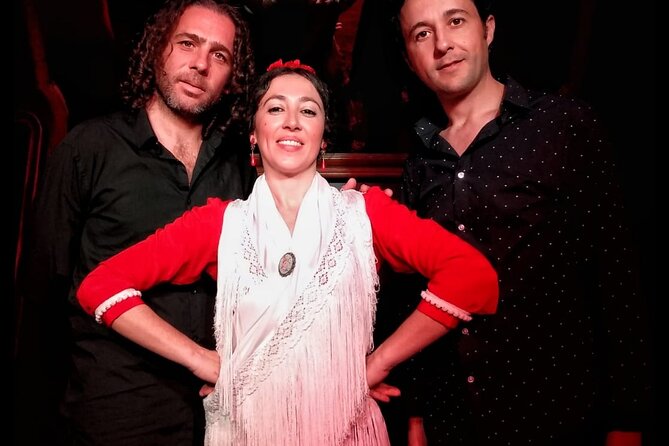
This is best for a first flamenco lesson, not for an advanced dancer seeking intensive training. You will get the most from it if you are curious, willing to try unfamiliar movements, and happy with a short introduction rather than technical mastery.
It suits:
- First-time dancers who want a friendly entry point
- Couples, families, and small groups looking for an active Seville experience
- People attending a flamenco performance later
- Dancers from other styles who want to understand flamenco basics
- Solo participants who value the possibility of personal instruction
You do not need prior dance experience. The class is paced for beginners, and the teaching focuses on making each stage understandable. Some people with dance backgrounds may move through the routine more quickly, but the rhythmic details still provide a challenge.
If you dislike group participation or feel uncomfortable performing in front of others, consider the group-size uncertainty. The class ends with everyone dancing together, and the point is participation rather than observation.
Price, timing, and practical value
The cost is $42.05 per person for about an hour. That is not the cheapest activity in Seville, but it includes direct instruction in a professional dance studio and a complete introduction to rhythm, arms, feet, and choreography.
The value depends heavily on the size of your session. For a group of friends, discounts can help, and the shared laughter becomes part of the experience. For a solo booking, the price may seem steep, but a private lesson can make it a better deal than the advertised group format suggests.
You receive a mobile ticket, and confirmation is sent when you book. The class is offered in English. It is usually booked about 20 days ahead, so reserve earlier if your Seville dates are fixed, particularly if you want a small group or a preferred time.
Free cancellation is available when you cancel at least 24 hours before the start time. Changes or cancellations inside that window are not accepted for a refund, and the cutoff follows Seville local time.
The activity does not include soda or other soft drinks. That is a minor point, but it confirms that this is a dance lesson rather than a food, drink, or show package. You are paying for the studio time and instruction.
Tips for getting more from the hour
Arrive ready to move, rather than treating the class as a demonstration. The more willing you are to repeat a basic rhythm or hand position, the more you will get from the limited time.
Listen before rushing into the steps. The compás can feel unfamiliar, and the later choreography makes more sense once your hands understand the beat.
Do not worry about looking polished. The teacher’s approach is encouraging, and the class is designed to make beginners feel safe. A relaxed attitude will help you remember the sequence better than trying to perform perfectly from the first minute.
If you are attending a flamenco show afterward, keep the class fresh in your mind. Watch for the relationship between palmas, singing, footwork, and the dancer’s arms. You will likely notice details that would have passed by before the lesson.
Take advantage of the question period. Ask about styles, rhythm, or what to listen for at a performance. The short class cannot cover the whole art form, but a focused question can make the introduction more useful.
Should you book it?
Book this class if you want to do more than watch flamenco in Seville. You will clap the rhythm, work through basic arm and foot movements, and finish with a short tango routine that gives you a real sense of the form’s demands.
I especially recommend it before a flamenco performance, or for a small group that wants an active afternoon in the Casco Antiguo. Luna’s patient teaching, the studio setting, and the chance of a private lesson make the experience more personal than a standard tourist demonstration.
Skip it if you want a full-length performance, advanced instruction, or the lowest possible price. For everyone else, $42.05 buys a focused, good-humored introduction to one of Seville’s defining art forms, with enough substance to change how you watch flamenco afterward.
FAQ
Where does the flamenco class begin?
The class begins at Plaza Pelícano, Pl. Pelícano, Casco Antiguo, 41003 Sevilla, Spain.
Where does the activity end?
The activity ends back at the meeting point.
How long does the class last?
The class lasts approximately one hour.
Is the class offered in English?
Yes. The class is offered in English.
What will I learn during the lesson?
You will learn palmas to the compás of tangos, hand and arm movements, footwork, markings, a call, a finish, and a short tango routine performed with the group.
How many people can join the class?
The maximum group size is 30 participants. Some sessions may be much smaller, and private lessons have taken place when only one or two people booked.
Can I cancel for a full refund?
Yes. You can cancel at least 24 hours before the experience start time for a full refund. Cancellations or changes made less than 24 hours before the start time are not accepted for a refund.
Just added around Seville
- Seville: Wine and Gourmet Tapas Tour★ 5.0 · 3 reviews
- Tapas Tour Cordoba & Wine Experience with chef and sommelier★ 4.8 · 3 reviews
- The most complete tour of Seville: All the highlights included★ 5.0 · 3 reviews
- Seville: Spritz Tasting Experience★ 4.8 · 3 reviews
- Ronda and White Villages Private Day Trip from Seville★ 5.0 · 3 reviews
- Jerez: Historic center of Jerez and horse show★ 5.0 · 3 reviews
- SEVILLE: REAL ALCÁZAR TOUR★ 5.0 · 3 reviews
- Royal Alcazar of Seville Guided Tour★ 5.0 · 3 reviews
Flamenco Shows, compared.
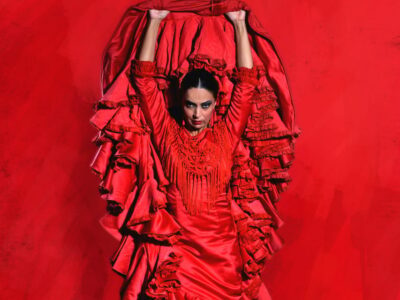
Live Flamenco Dancing Show Ticket at the Theater
Read our review →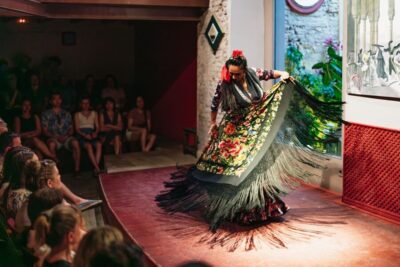
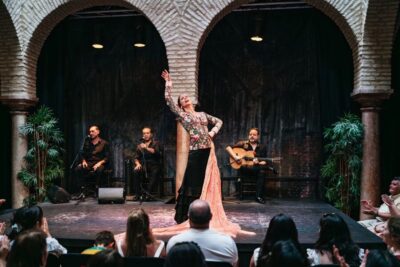
Puro Flamenco Show with Optional Museum Ticket
Read our review →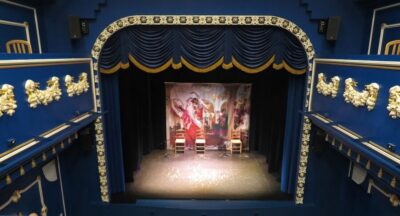
Live Flamenco Show at “Teatro Flamenco Triana”
Read our review →
Flamenco Show Ticket at Tablao Flamenco Las Setas
Read our review →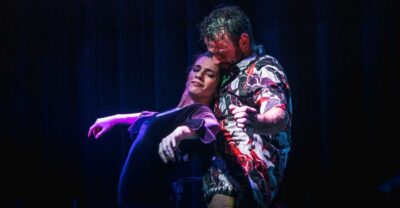
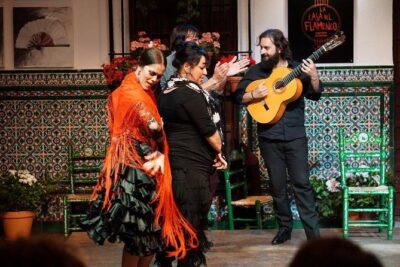
Authentic Flamenco Show with Tapas & Wine Guided Tour
Read our review →
Flamenco Show at Tablao El Arenal with Drink and Optional Dinner or Tapas
Read our review →Browse the lists this tour appears in