
Reviewed · TRIANA TOURS
Seville: Tapas Tour Across the River in Triana
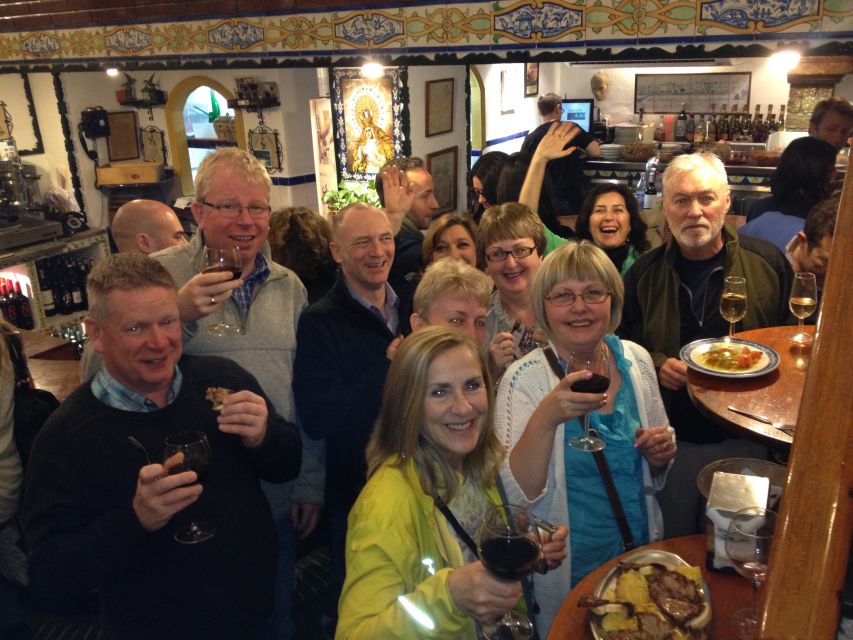
Triana is Seville with a different beat. Cross the Guadalquivir, leave the grand center behind, and follow a local guide through old streets, market stalls, flamenco landmarks, and neighborhood bars where the food comes in small plates and the conversation comes naturally. I like the way this tour combines three or four local bars with stories about bullfighting, flamenco, politics, and daily life.
I also like the small-group limit of eight and the included four drinks, since you can focus on the food instead of counting every glass. The main consideration is the price: at $175 per person, this is not a cheap bar crawl, and the value depends on how much you want a guide, cultural context, and a carefully planned evening rather than simply finding tapas on your own.
In This Review
- Key points to know before booking
- Why Triana makes such a good tapas setting
- Crossing Isabel II Bridge and entering the neighborhood
- Triana Market and the food story behind the tapas
- Castillo San Jorge, Calle Betis, and the riverfront
- Three or four bars, with a flexible food order
- What the drinks and tapas package is worth
- The alternative route through Alameda
- The final walk past Santa Ana Church
- Guide quality and the small-group advantage
- Timing, cancellations, and who should book
- Should you book the Triana tapas tour?
- FAQ
- How long does the Seville Triana tapas tour last?
- How many bars will I visit?
- What food and drinks are included?
- Can vegetarian, vegan, or allergy-friendly food be provided?
- Is Triana Market always open during the tour?
- Are Seville’s monuments visited inside?
Key points to know before booking

- Triana offers a different side of Seville: Cross Isabel II Bridge for flamenco lore, ceramics, bullfighting connections, and a neighborhood feel.
- Three or four bars are included: Expect traditional tapas and dishes with modern touches, plus four drinks and unlimited water.
- The group stays small: A maximum of eight people allows the guide to adjust food choices and conversation more easily.
- The market is part of the route: Triana Market adds a food-focused stop, though it can sometimes be closed.
- The tour includes exterior sights only: You see places such as Castillo San Jorge and Torre del Oro from outside, without an inside monument visit.
- Dietary needs require planning: Allergies can be accommodated, while vegetarian and vegan menus cost extra.
Why Triana makes such a good tapas setting
Seville’s center gets much of the attention, but Triana gives you a useful counterpoint. It sits across the river and has its own local identity, with strong links to flamenco, bullfighting, ceramics, and working-class Seville.
You begin near the Monumento Triana al Arte Flamenco, a fitting first stop. The photo stop is brief, but the location gives your guide a natural way to explain why Triana is tied so closely to flamenco. You are not simply walking from restaurant to restaurant. You are learning why this neighborhood has its own customs and sense of place.
I find that especially useful early in a Seville stay. A guide can point out the difference between the tourist center and Triana, then give you the confidence to return later without a group. Several past guides, including Costanza, Nico, David, and Filippo, have been praised for making the food part and the cultural part work together.
The route is not a museum tour. You will not spend long inside monuments, and the sights are visited from the outside. That is a drawback if you want formal sightseeing, but it suits the evening well. The focus stays on streets, people, food, and the social life around the bars.
More Triana walks:
- Seville: Live Flamenco Show at “Teatro Flamenco Triana”
★ 4.6 · 3,290 reviews - Seville: Baraka Sala Flamenca Show with Drink in Triana
★ 4.8 · 1,761 reviews - Seville: Traditional Flamenco Show in Triana
★ 4.8 · 1,580 reviews
Crossing Isabel II Bridge and entering the neighborhood
The Puente de Isabel II, usually called Triana Bridge, is one of the route’s main visual moments. You stop for photographs and walk across the river, with views toward Seville and the Guadalquivir.
This short crossing matters because it marks a real change in mood. The tour moves from a major city landmark into a district that feels more local and self-contained. Your guide can use the bridge, the river, and the surrounding streets to explain how Triana relates to the rest of Seville.
The pace is easy but not static. The itinerary includes several five-minute walks and photo stops, so you should expect frequent movement between food stops rather than one long seated meal. Wear shoes that are comfortable on city streets, and avoid arriving already full.
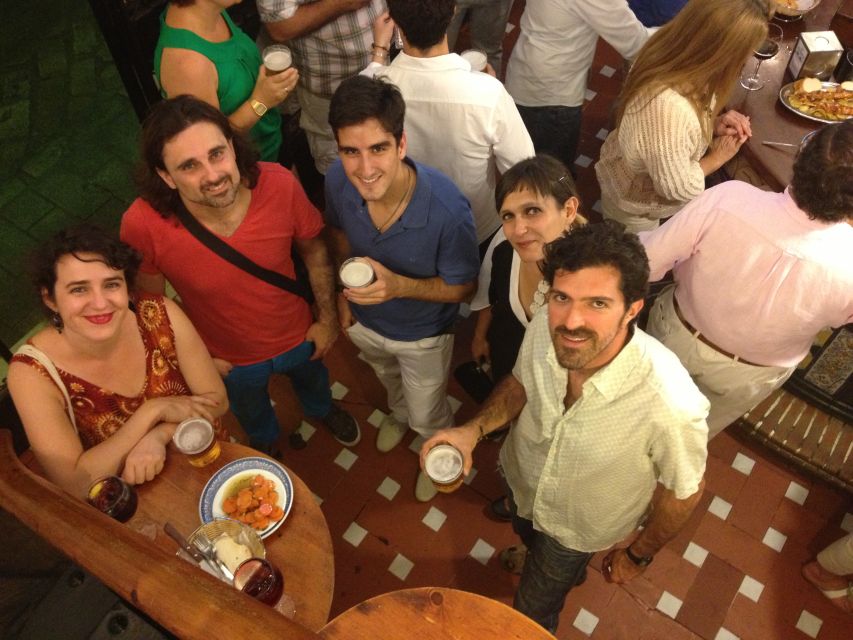
The tour’s social tone is one of its strong points. Small groups have included couples, families, and groups of friends, and the guide can talk with you directly instead of delivering a speech to a large crowd. If only a few people book, the outing can feel close to a private tour, though you should treat that as a possibility rather than a promise.
Triana Market and the food story behind the tapas
Triana Market adds more than another photo stop. It gives you a look at the neighborhood’s food culture and a chance to see where local ingredients and shopping habits fit into daily life.
The listed route includes about five minutes of walking through the market area, followed by a food stop. In practice, the market may be visited briefly rather than treated as a full guided market tour. If it is closed on your date, the rest of the experience can continue, but you will miss this particular window into neighborhood life.
You may encounter food shops and market specialties, but the precise selection depends on the day and the bars open along the route. One earlier outing included an especially appealing food shop inside the market, while other tours focused more heavily on prepared tapas.
This is also where you should be clear about dietary needs. Allergies can be accommodated, but tell the provider in advance. Vegetarian and vegan choices are available at an extra cost, so this tour may be less attractive to plant-based eaters unless the added charge and menu arrangements are confirmed before booking.
I would also note that Iberian ham is not included. If tasting top-quality cured ham is your main reason for booking a Seville food tour, you may need to pay extra or choose another experience.
Castillo San Jorge, Calle Betis, and the riverfront
After the market, the route passes Castillo San Jorge and continues toward Calle Betis. The castle is visited from the outside, so do not book this tour expecting an archaeological or interior castle visit.
The value here comes from the guide’s commentary. The stops create a setting for stories about Triana’s past and its place in Seville’s social and political life. You get context while walking, then return to the main purpose of the evening: eating and talking in local bars.
Calle Betis brings the route back to the river. Its position beside the Guadalquivir makes it one of the most recognizable streets in Triana, and the tour uses it for photographs and orientation. You may see the riverfront, Torre del Oro across the water, and the statue of bullfighter Juan Belmonte.
These are short stops, usually around five minutes each. That is enough for a look and a few photos, but not enough for detailed sightseeing. I like this arrangement for a tapas evening because it prevents the food stops from being buried under a long list of monuments.
The river views also help explain Seville’s geography. You are not just checking off landmarks. You are seeing how the river divides and connects the city, and how Triana’s identity developed on the opposite bank.
More tapas crawls in Seville:
- Sevilla Food Tour: Tapas, Wine, History & Traditions
★ 5.0 · 3,468 reviews - Ultimate Seville Tapas, Wine & History Small Group Tour
★ 5.0 · 1,766 reviews - Seville: Tapas Crawl
★ 4.9 · 1,705 reviews - Authentic Flamenco Show with Tapas & Wine Guided Tour
★ 5.0 · 1,476 reviews
Three or four bars, with a flexible food order
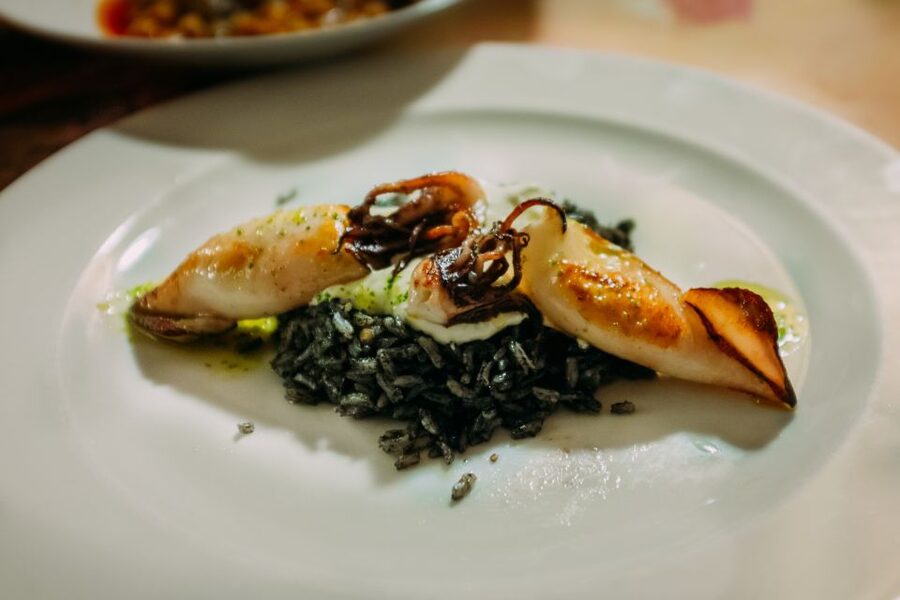
The heart of the experience is the series of local bars. You visit three or four establishments and receive four drinks, with choices that can include wine, beer, sherry, or tinto de verano.
Tinto de verano, literally summer wine, is a simple Spanish drink made for casual warm-weather drinking. Sherry gives you a more distinctly Andalusian option, while beer and table wine keep the choices familiar. Cocktails and extra drinks are not included.
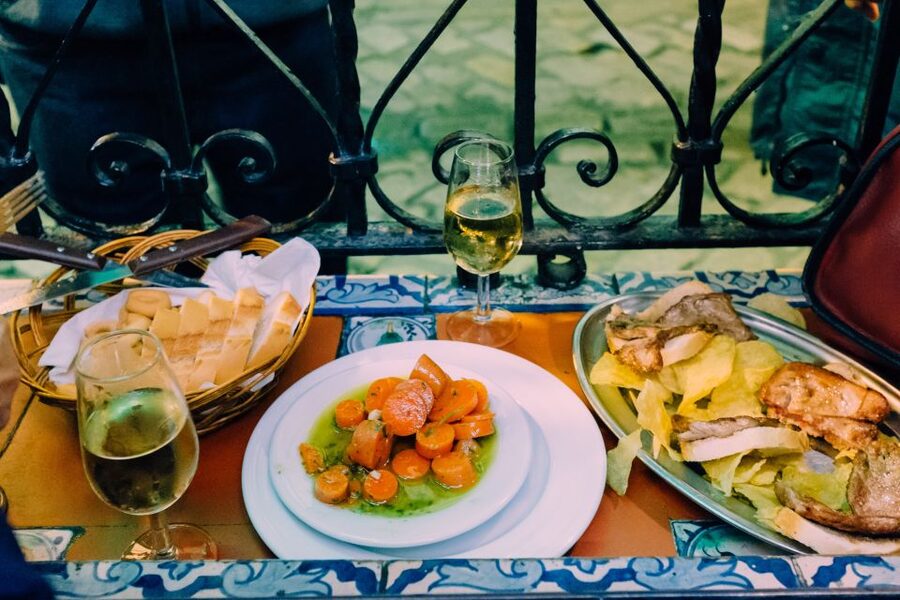
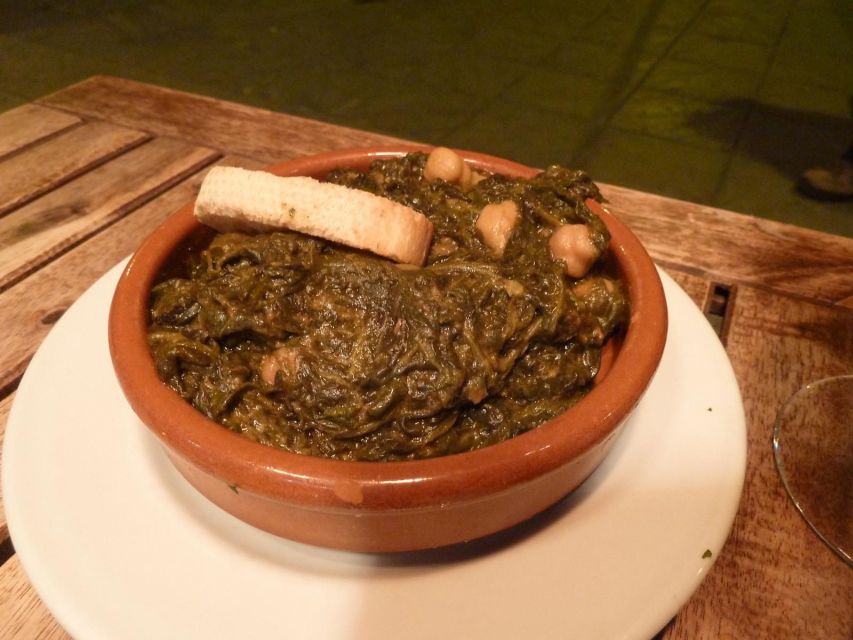
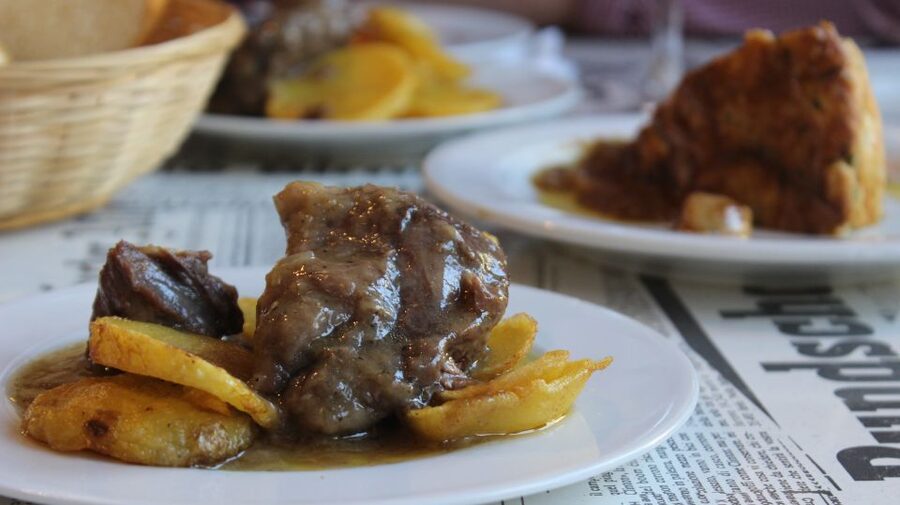
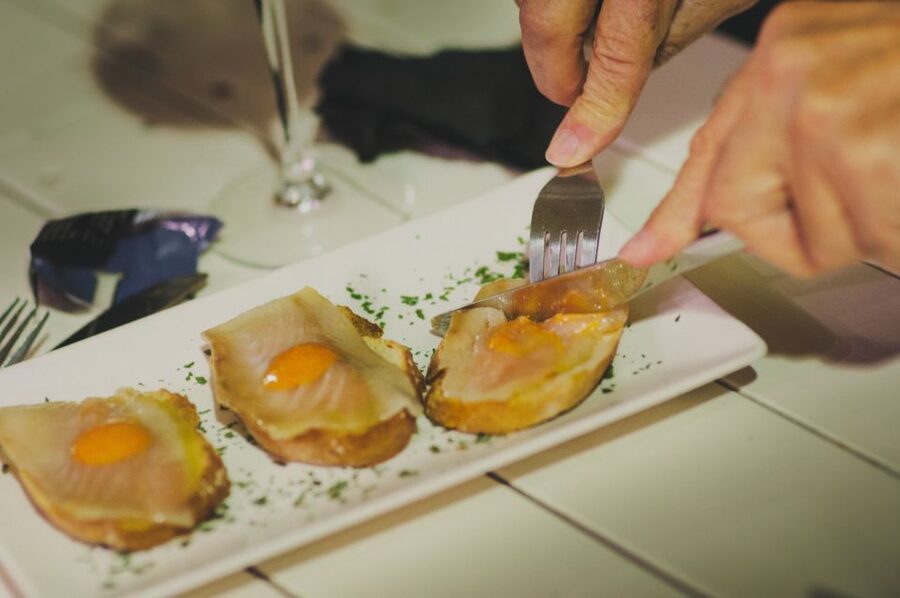
The food can range from traditional tapas to more modern versions. The included plan describes selections of four tapas each, but the exact serving style can change by bar. At some stops, the food may arrive as several shared plates; at others, the house specialty may take center stage.
Previous outings have included enough food to make some people feel they had eaten more than expected. You should arrive hungry, but not so hungry that you rush through the first stop. The point is to sample several places and notice the differences in atmosphere, preparation, and local custom.
One of the best practical features is the guide’s ability to ask about your preferences. You can discuss what you like, and the guide can balance your choices with the specialties of the house. That helps if you are unsure what to order or want to try something you would probably overlook on your own.
Still, this is not a private restaurant tasting menu with a fixed, published lineup. Bars, dishes, and portions may vary. The tour works best if you enjoy some surprise and are willing to let the guide shape the evening.
What the drinks and tapas package is worth

At $175 per person, the included food and drink alone do not tell the whole value story. You receive four drinks, unlimited water, multiple tapas selections, a professional guide, a small group, and 3.5 hours of walking and conversation.
If you visited three or four bars yourself, you could likely spend less. Seville has many affordable tapas options, and independent eating gives you more control over the bill and the pace. But you would also need to choose the bars, understand local ordering customs, and build your own route through Triana.
I see this tour as a good value for a first evening in Seville, especially if you have limited time or want a social introduction to the city. The guide saves you from guesswork and adds stories that a plate of food cannot provide on its own.
The value is weaker for experienced Seville diners who already know Triana and speak enough Spanish to order with ease. Those visitors may prefer to spend $175 on several independent meals, extra drinks, and perhaps an interior monument visit.
Keep in mind that extra drinks, cocktails, and Iberian ham are not included. If you tend to drink more than four beverages or want premium ingredients, your final cost will rise.
The alternative route through Alameda
The experience can offer an alternative route in the Alameda district instead of Triana. This is important because the title and main route focus on Triana, but your selected option may lead you elsewhere.
Alameda is presented as an area that changed from a district associated with brothels into a center for culture. The route there focuses on modern tapas and a newer side of Seville’s food scene.
Choose Triana if you want flamenco connections, the market, the river crossing, Calle Betis, and a strong neighborhood identity. Choose Alameda if you are more interested in contemporary tapas and the way a district has changed over time.
Check the option carefully when booking. The meeting point can vary, and the experience may begin at one of two listed starting locations, including Santander Bank and C.D. CORRECAMINOS SENDERISMO.
The final walk past Santa Ana Church
The final portion returns through Triana, with a stop near the Real Parroquia de Señora Santa Ana before finishing back near Santander Bank.
Santa Ana Church is visited from the outside. It gives the final walk a clear landmark and helps bring the route back toward its starting point.
By this stage, you will have spent about three and a half hours walking, eating, drinking, and listening. The structure is useful because it breaks the evening into manageable pieces rather than placing you at one table for the full duration.
The route is not designed for people who want to sit still. You will walk between several stops and pause for photographs along the river and streets. If mobility or stamina is a concern, ask the provider for more detail before booking, since the supplied information does not describe accessibility arrangements.
Guide quality and the small-group advantage
The guide can make or break this type of experience. Food is only part of it. You need someone who can explain the area, order sensibly, keep the group moving, and make conversation without turning the evening into a lecture.
The strongest guide names associated with the experience include Costanza, also spelled Constanza in one account, Nico, Filippo, Juan, David, Manolo, Michel, and Victor. Costanza has been praised for her command of local food, culture, and Triana. Nico has been singled out for his flamenco background, while Filippo has been described as friendly and well informed.
That does not mean you should expect a particular guide unless the booking specifically confirms one. It does show the kind of hosting the company aims to provide: personal, relaxed, and tuned to the group’s preferences.
The maximum group size is eight. That is small enough for direct questions and shared ordering, and it reduces the risk of being lost in a large tour crowd. Some bookings may be much smaller, but the group is not guaranteed to be private.
One practical note: an earlier outing had a late guide arrival, and another had a booking-date mix-up that was later resolved. These incidents do not define the tour, but they are a reminder to check your start time and meeting point carefully, especially if you are coordinating with a cruise schedule or a tight evening plan.
Timing, cancellations, and who should book
The tour lasts 3.5 hours, and start times depend on availability. An evening booking usually makes sense because tapas bars are part of Seville’s social rhythm, but the exact timing matters if you arrive by cruise ship or have a dinner reservation afterward.
One past booking was affected by a late arrival into Seville. Restaurants may be closing at certain hours, and a late start can mean fewer venues or a shorter meal at one stop. Give yourself extra time to reach the meeting point.
You can cancel up to 24 hours in advance for a full refund, and the reserve-now, pay-later option keeps your plans flexible. These are useful safeguards if your schedule is still moving, but they do not change the need to confirm the route and starting location.
This tour suits you best if:
- You want food and neighborhood context in the same outing.
- You enjoy trying dishes chosen with local guidance.
- You prefer a group of eight or fewer.
- You have not spent much time in Triana.
- You want included drinks rather than a food-only walk.
- You are comfortable with exterior sightseeing and several short walks.
It may not suit you if you want a formal monument tour, a fixed tasting menu, a low-cost evening, or a guaranteed visit to a specific market or bar.
Should you book the Triana tapas tour?
I would book this tour if I had one evening in Seville and wanted an easy, social way to get oriented beyond the cathedral and central streets. The combination of flamenco stories, river views, market time, and several bars gives you a useful introduction to Triana, not just a meal with a walk attached.
The strongest reasons to go are the small group, the guide-led food choices, and the chance to visit places you might not find on your own. The main reasons to hesitate are the $175 price, the extra charge for vegetarian or vegan menus, and the fact that monuments are seen only from outside.
Choose the Triana route for Seville’s local character, flamenco links, and river crossing. Choose the alternative Alameda route for modern tapas and a district shaped by recent change. If either idea sounds better than simply finding dinner yourself, this experience should earn a place on your Seville schedule.
FAQ
How long does the Seville Triana tapas tour last?
The tour lasts 3.5 hours, including walking, sightseeing from outside, visits to local bars, tapas, and drinks.
How many bars will I visit?
You will visit three or four local bars. The exact number and food selection can vary by route and availability.
What food and drinks are included?
The experience includes selections of four tapas each, four drinks, and unlimited water. Drinks may include wine, beer, sherry, or tinto de verano.
Can vegetarian, vegan, or allergy-friendly food be provided?
Allergies can be accommodated. Vegetarian and vegan menus are available at an extra cost, so mention your needs before booking.
Is Triana Market always open during the tour?
No. The market can sometimes be closed. The route includes a visit when the market is open, but this cannot be guaranteed.
Are Seville’s monuments visited inside?
No. Monuments such as Castillo San Jorge, Torre del Oro, and Santa Ana Church are visited from the outside only.
Just added around Seville
- The most complete tour of Seville: All the highlights included★ 5.0 · 3 reviews
- Seville: Wine and Gourmet Tapas Tour★ 5.0 · 3 reviews
- Tapas Tour Cordoba & Wine Experience with chef and sommelier★ 4.8 · 3 reviews
- Seville: Spritz Tasting Experience★ 4.8 · 3 reviews
- Ronda and White Villages Private Day Trip from Seville★ 5.0 · 3 reviews
- Jerez: Historic center of Jerez and horse show★ 5.0 · 3 reviews
- SEVILLE: REAL ALCÁZAR TOUR★ 5.0 · 3 reviews
- Royal Alcazar of Seville Guided Tour★ 5.0 · 3 reviews
Triana Tours, compared.
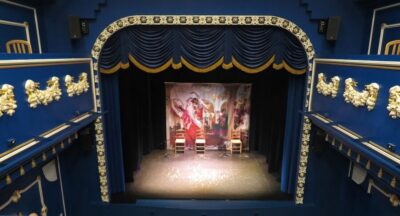
Live Flamenco Show at “Teatro Flamenco Triana”
Read our review →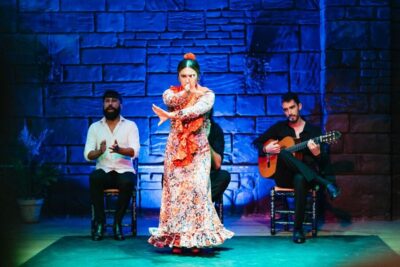
Baraka Sala Flamenca Show with Drink in Triana
Read our review →
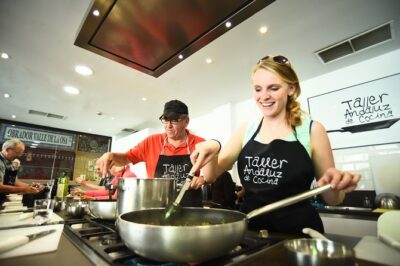
Spanish Cooking Class & Triana Market Tour in Sevilla
Read our review →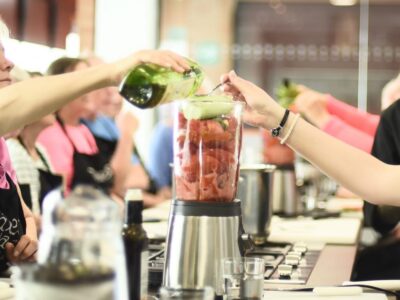
3.5-Hour Spanish Cooking Class & Triana Market Tour
Read our review →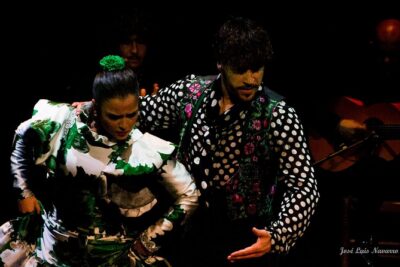
Flamenco Show Tickets to the Triana Flamenco Theater
Read our review →
Browse the lists this tour appears in