
Reviewed · WALKING TOURS
The Cultures of Seville Walking Tour
Seville’s past is packed into its narrow lanes, and this two-hour walking tour uses Santa Cruz and the old center as an open-air history book. You move from Roman and Arab Seville to the city’s Jewish and Christian chapters, then hear darker tales linked to places such as Fabiola Street, Plaza de la Alfalfa, and Laraña Street.
I like the route’s wide historical sweep, which reaches back more than 3,000 years, and I like its focus on streets and corners rather than a long list of formal museum stops. Guides such as Emilio, Delia, and Pilar have been praised for making the walk lively and adapting it to the group’s interests.
The main consideration is pace. A past participant counted more than 10,000 steps, so comfortable shoes and water are essential. The tour also touches several UNESCO World Heritage sights but does not list interior visits, making it better for context and atmosphere than for detailed monument access.
In This Review
- Key points at a glance
- Why Seville’s cultures make this route worthwhile
- Starting at Plaza del Triunfo
- Walking Santa Cruz’s narrow lanes
- From old stories to Seville’s darker side
- Fabiola Street and Plaza de la Alfalfa
- Laraña Street and the golden mile of mystery
- Pace, distance, and what to wear
- Is $17 a fair price?
- Who will enjoy this Seville walk?
- Should you book The Cultures of Seville Walking Tour?
- FAQ
- How long does The Cultures of Seville Walking Tour last?
- Where does the tour meet?
- What languages are available?
- Is the tour wheelchair accessible?
- What should I bring?
- Can I cancel the booking?
Key points at a glance
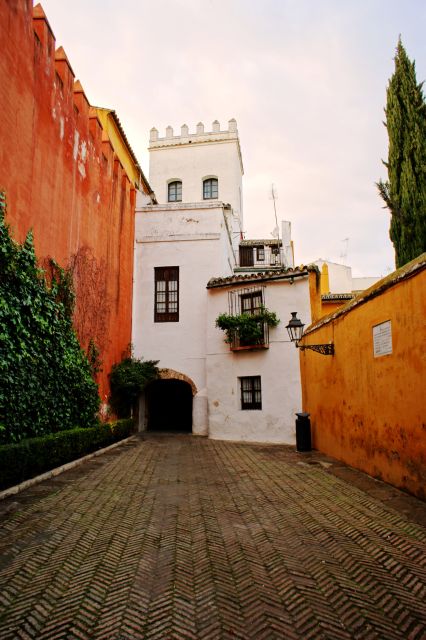
- Santa Cruz after dark: Walk narrow lanes in Seville’s old Jewish quarter, where the setting adds weight to stories of love, death, and local tragedy.
- 3,000 years in two hours: Connect Roman, Arab, Jewish, and Christian chapters without committing half a day to a formal history tour.
- A mystery-focused city walk: Hear about disturbing events, local legends, and the golden mile of mystery along Laraña Street.
- A strong guide-led experience: The tour runs in English or Spanish, with guides including Emilio, Delia, and Pilar praised for clear, engaging storytelling.
- Good value at $17: For the price of a casual meal or a few drinks, you get two hours of local guiding through Seville’s historic center.
- Simple meeting point: Begin at Plaza del Triunfo, near the large white column topped by a statue of the Virgin.
Why Seville’s cultures make this route worthwhile
Seville can look easy to understand at first glance. You see grand churches, tiled courtyards, orange trees, and narrow lanes. But the city’s character comes from several civilizations sharing the same ground, often in uneasy ways. This walk gives you a way to connect those layers.
The route covers the Romans, Arabs, Jews, and Christians, along with the legends and tragedies attached to their time in Seville. That matters because the city is not just a collection of beautiful buildings. Its streets reflect changes in power, belief, neighborhood life, and social custom.
I especially like this approach for a first visit. You do not need a long lecture on dates and rulers. Instead, you get stories tied to named streets and plazas. Once you know why Santa Cruz developed as it did, or why a particular corner carries a troubling tale, walking through the center becomes much more rewarding.
The tour also has a strong sense of place. It is not only about what happened centuries ago. The route includes disturbing events from more recent years, so you get a broader view of Seville’s memory. The result should suit you if you enjoy history with a human edge: love stories, deaths, unusual incidents, and the small details that make a city feel lived in.
More Walking Tours in Seville
- Seville: Small-Group City Highlights Walking Tour
★ 5.0 · 1,204 reviews - Cultural Walking Tour of Seville Monumental
★ 5.0 · 861 reviews - Seville: Tapas, Taverns, and History Walking Tour
★ 4.9 · 676 reviews
Starting at Plaza del Triunfo
The meeting point is Plaza del Triunfo, near the large white column with the statue of the Virgin. This is a useful starting place because it puts you close to several of Seville’s major historic sights and the entrance to Santa Cruz.
Arrive with enough time to identify the column and find your guide. The information provided does not specify group size or the exact starting time, so check availability when booking. Since the route is entirely on foot, you will not need transport once the tour begins.
Plaza del Triunfo also helps set the tone. You start among some of Seville’s most important historic surroundings, then move into smaller streets where the city feels less ceremonial and more personal. The shift from open square to tight lane is one of the pleasures of the route.
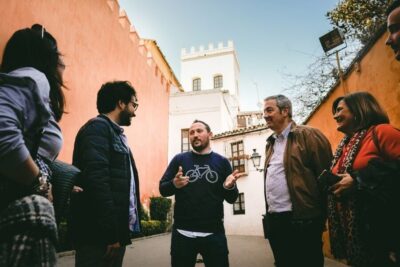
This is a guide-led walk, not a self-guided audio route. That gives you someone to explain the connections between places and adjust the presentation to the group. One strong feature of the experience is this flexibility: a guide can spend more time on history, legends, or local stories depending on what interests you.
Walking Santa Cruz’s narrow lanes
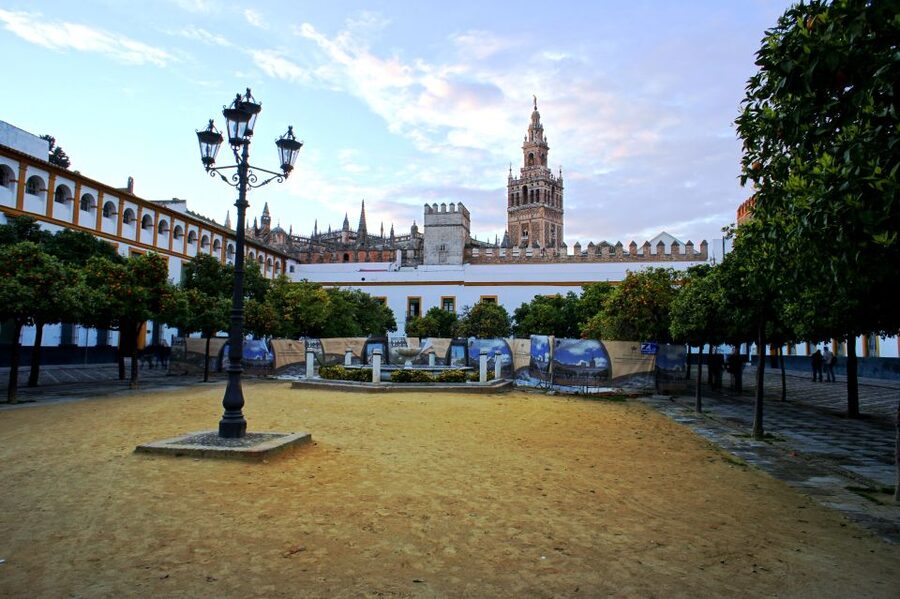
Santa Cruz is the emotional center of the walk. The neighborhood is known for narrow streets and its connection to Seville’s former Jewish quarter. Here, the route focuses on unusual facts, old stories, and events that affected the people who lived in the city.
You should expect plenty of walking through tight lanes rather than a straight march from one major sight to another. That means the setting does much of the work. Walls, corners, small passages, and changing views give the stories a physical backdrop.
I like this part because it encourages you to notice Seville’s scale. A large cathedral or palace can tell you about political power, but a narrow street suggests how ordinary people moved, met, worked, and hid from the heat. The tour’s attention to the neighborhood helps balance the grand monuments nearby.
There is also a practical limit. Narrow lanes can be less comfortable for anyone who dislikes crowded or uneven walking areas, and the route may feel active rather than leisurely. The experience is described as wheelchair accessible, but you should still check current route details if you need specific information about paving, slopes, or access.
The neighborhood’s connection to Jewish, Christian, Arab, and wider Spanish history gives the guide plenty to explain. You might hear how different communities shaped Seville’s customs and urban form, along with stories that have survived through local tradition. Since the exact order of stops can vary, treat the walk as a guided thread through the quarter rather than a fixed list of monuments.
From old stories to Seville’s darker side
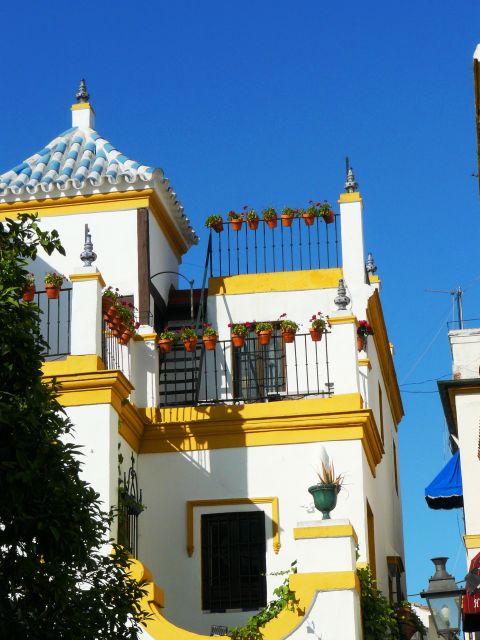
After Santa Cruz, the walk continues through the center as night falls. This timing is important. Seville changes character in the evening, and the dimmer streets suit the tour’s focus on mystery, unsettling incidents, and tragic stories.
The experience is not presented as a simple ghost walk. Its material includes events involving Romans, Arabs, Jews, and Christians, but it also reaches into more recent years. That mix gives the evening a wider frame than a tour built only around legends.
You will hear about love, death, and strange events connected with the old Jewish quarter and other parts of the historic center. Some stories may move you, while others are meant to surprise or unsettle you. If you prefer a strictly academic history tour, this theatrical side may feel less precise. If you enjoy local tales alongside historical context, it should be a good match.
The guide’s delivery matters here. Emilio has been praised for keeping the tour entertaining from start to finish. Delia was described as articulate, fun, and able to cover a great deal of ground, while Pilar was noted for bringing the history of Santa Cruz to life and pointing out less obvious details.
Those names do not guarantee which guide you will receive, but they show the type of hosting you can expect: clear explanations, personality, and room for questions. The tour is available in English or Spanish, so confirm your preferred language before booking.
A completely different day out from Seville:
- Seville: Royal Alcázar Entry Ticket
★ 4.6 · 28,378 reviews - Seville: Cathedral and La Giralda Entry Ticket
★ 4.5 · 24,592 reviews - Seville: Live Flamenco Dancing Show Ticket at the Theater
★ 4.7 · 16,396 reviews - Seville: Casa de la Memoria Flamenco Show
★ 4.8 · 12,964 reviews
Fabiola Street and Plaza de la Alfalfa
The route includes Fabiola Street and Plaza de la Alfalfa, two places used to discuss unusual and disturbing events in Seville’s recent and older past. The value here is not simply seeing another street or square. It is learning how local memory attaches itself to ordinary places.
Plaza de la Alfalfa is an urban meeting point rather than an isolated monument. Hearing stories there can help you understand how public spaces become part of a city’s social life. Fabiola Street adds a smaller-scale setting, where the atmosphere may feel more intimate and secretive.
The tour description does not promise entry into buildings at these locations. Plan on hearing stories outdoors and looking at the surroundings as the guide explains what happened there. This is useful to know if you are comparing the walk with a ticketed attraction. You are paying for interpretation and movement through the city, not admission to a museum or palace.
For me, this kind of stop is one reason to take a local walking tour early in a Seville visit. You can return later on your own, now knowing why a place matters. The information becomes part of your mental map instead of remaining a name on a printed route.
Laraña Street and the golden mile of mystery
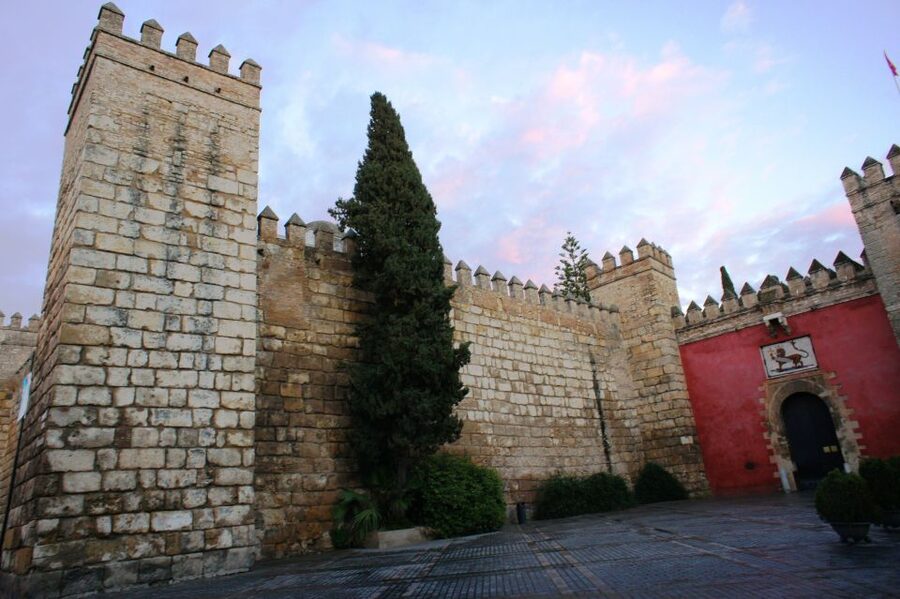
Laraña Street is described as the city’s golden mile of mystery. The phrase points to a concentrated stretch of stories, and it gives the final part of the walk a clear identity.
Expect tales about events that have moved or surprised people in Seville. The material can include tragedy and fear, but also the personal dramas that make old city stories memorable. The route is designed to show that mystery does not belong only to ruined castles or remote places. It can exist on a normal central street, beside shops and daily traffic.
This section should work best after you have already spent time in Santa Cruz. The earlier walk gives you the historical frame. By Laraña Street, you have moved through several periods and communities, so the darker stories feel tied to a larger city narrative rather than random anecdotes.
The description does not provide a detailed stop-by-stop list, so you should not book this expecting a guaranteed roll call of every famous landmark or case. Its strength is the guide’s storytelling, the changing atmosphere, and the links between places.
Pace, distance, and what to wear
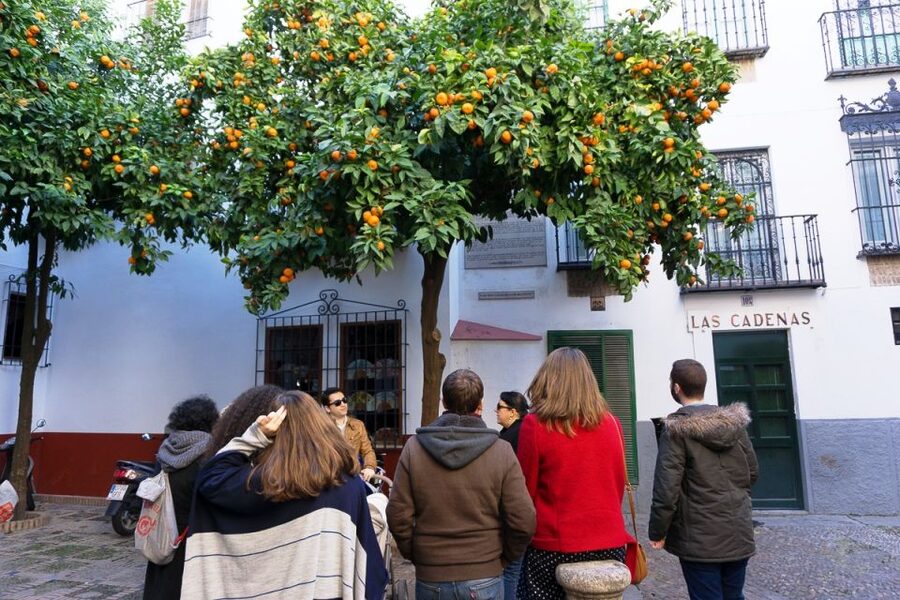
The walk lasts two hours, but the distance may surprise you. One past participant reported covering more than 10,000 steps, which is a useful warning even though individual routes and paces can differ.
Wear shoes you would happily use for a long city walk. Bring drinking water, especially in Seville’s warmer months. There are no transport sections listed, so you should be ready to stay on your feet for most of the experience.
The route may suit you if you like an active introduction to a city. It is less suitable if you want to stop often for long photos, sit down frequently, or spend most of the time inside buildings. The guide needs to keep moving to cover Santa Cruz, the center, and the named streets within two hours.
The tour is listed as wheelchair accessible, which is helpful. Still, because the route passes through narrow historic streets, ask for current accessibility details if you need to know about surface conditions or any specific sections.
Is $17 a fair price?
At $17 per person, this is an inexpensive way to gain two hours of local context. The price includes a live guide in English or Spanish, and the route covers several parts of the historic center rather than keeping you in one plaza.
The value is strongest if you are new to Seville and want a quick orientation with personality. You get historical background, neighborhood context, and local legends in one outing. It can also help you decide which parts of Santa Cruz or the center deserve a second visit.
The price does not include entry to monuments, food, drinks, or transport. That keeps the cost low, but it also means you should view this as a walking and storytelling experience. If your main goal is to see the inside of Seville’s major UNESCO-listed buildings, you will need separate admission and more focused tours.
Free cancellation up to 24 hours before the start and the option to reserve now and pay later make the booking less risky. Check the available starting times, since the two-hour schedule and nightfall timing may affect your dinner plans.
Who will enjoy this Seville walk?
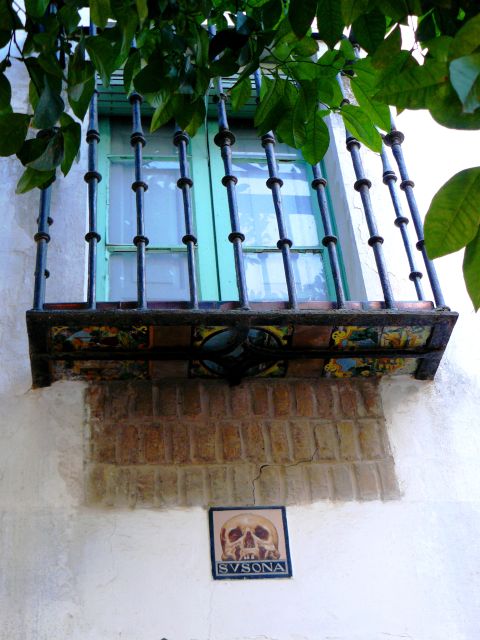
I would suggest this tour to you if you want:
- A short first look at Santa Cruz and the historic center
- A blend of Roman, Arab, Jewish, and Christian history
- Local legends and unsettling stories alongside standard history
- A guide who can adapt to the group’s interests
- An evening activity that does not require a formal venue
- A low-cost way to get your bearings in central Seville
Families with older children may enjoy the dramatic stories, though younger children could find the subjects of death and disturbing events uncomfortable. History fans should appreciate the broad timeline, while architecture lovers may want a separate tour that focuses on interiors and design.
The walk is also a good fit if you have only a short time in Seville. You will not cover every major sight in detail, but you will get a useful sense of how the center is arranged and why its neighborhoods matter.
Should you book The Cultures of Seville Walking Tour?
Book it if you want stories tied to real streets, an active route through Santa Cruz, and a quick look at Seville’s many cultural layers. At $17, it offers solid value for an evening introduction, especially with a strong English- or Spanish-speaking guide.
Skip it if you want extensive time inside monuments, a fixed list of architectural stops, or a slow walk with frequent breaks. The route can cover a lot of ground, and its mystery stories may appeal more to curious, open-minded visitors than to those seeking only formal history.
For most first-time visitors who enjoy walking, I would place it near the start of a Seville stay. Bring water, wear good shoes, and arrive ready to listen closely. The city’s narrow streets are much easier to appreciate once you know some of the stories carried by their walls.
FAQ
How long does The Cultures of Seville Walking Tour last?
The tour lasts two hours.
Where does the tour meet?
It meets at Plaza del Triunfo, near the large white column with the statue of the Virgin.
What languages are available?
The live tour guide is available in English or Spanish.
Is the tour wheelchair accessible?
Yes, the activity is listed as wheelchair accessible.
What should I bring?
Wear comfortable shoes and bring drinking water. The route is a walking tour and may cover substantial ground.
Can I cancel the booking?
Yes. You can cancel up to 24 hours in advance for a full refund. You can also reserve now and pay later.
Just added around Seville
- Seville: Wine and Gourmet Tapas Tour★ 5.0 · 3 reviews
- Tapas Tour Cordoba & Wine Experience with chef and sommelier★ 4.8 · 3 reviews
- The most complete tour of Seville: All the highlights included★ 5.0 · 3 reviews
- Seville: Spritz Tasting Experience★ 4.8 · 3 reviews
- Ronda and White Villages Private Day Trip from Seville★ 5.0 · 3 reviews
- Jerez: Historic center of Jerez and horse show★ 5.0 · 3 reviews
- SEVILLE: REAL ALCÁZAR TOUR★ 5.0 · 3 reviews
- Royal Alcazar of Seville Guided Tour★ 5.0 · 3 reviews
Walking Tours, compared.

Walking Tour through Cádiz: Stories from the hand of a local guide
Read our review →
Small-Group Jewish Quarter Discovery Walking Tour
Read our review →
English Cádiz Tour: Walking Tour with Local Guide
Read our review →Browse the lists this tour appears in