
Reviewed · PAELLA COOKING CLASSES
Paella and Salmorejo 2-Hour Cooking Class in Córdoba
The best part of this Córdoba cooking class is that you make two local staples from start to finish: salmorejo, the city’s cool tomato-and-bread cream, and paella prepared in the Cordobesian perol cordobés style. You chop, blend, season, and cook, rather than simply watching a chef work.
I like the small group of up to 10 because it gives you a better chance to handle the ingredients and ask questions. I also like the local flavor: the class includes wine, flamenco, food history, and practical tips on where to eat and drink in Córdoba. The main caution is that the setting and standards can vary, and several people found the kitchen arrangement and food hygiene below what they expected.
In This Review
- Key points to know
- What you actually cook in two hours
- The 1 p.m. meeting in central Córdoba
- A glass of wine before the chopping starts
- Making salmorejo, Córdoba’s signature dish
- Cooking paella with a Cordoban twist
- Eating what you made with local wine
- The location question deserves attention
- Hygiene and equipment: a fair warning
- How the guides affect the experience
- Is $53.41 a fair price?
- Who should book this Córdoba class?
- Should you book it?
- FAQ
- Where does the cooking class meet?
- What time does the class start?
- How long does the experience last?
- What dishes will I learn to make?
- Is the paella always seafood?
- How many people can join the class?
- Can I cancel for a refund?
Key points to know
- Two Córdoba specialties: Prepare salmorejo and paella, then eat the dishes you helped make.
- Small class size: The group is capped at 10 people, allowing more hands-on time than a large demonstration.
- Hosts vary: Bárbara and Adrian have both led sessions, with praise for their patience, warmth, and clear explanations.
- Local atmosphere: The class includes wine, flamenco, and conversation about Córdoba’s food and culture.
- Check your paella ingredients: The recipe may be seafood, meat, or vegetable-based, depending on the week and season.
- Bring realistic expectations: The experience has earned a 4.6 rating from 34 ratings, but some sessions have drawn sharp criticism for the workspace and hygiene.
What you actually cook in two hours
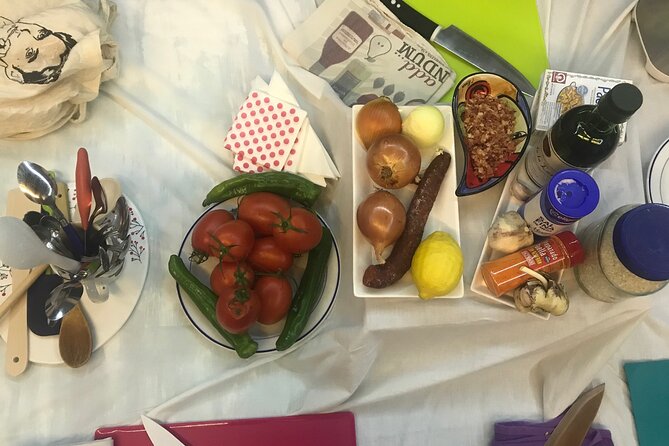
This is a compact lesson built around two dishes with very different techniques.
Salmorejo is the easier and more distinctly Cordoban half. It is a thick, cold cream made mainly from tomatoes and bread. You learn how the dish developed, how it differs from related Spanish cold soups, and why bread and olive oil give it such a smooth, filling texture.
The hands-on work covers the basics: preparing the ingredients, chopping them, blending everything into a cream, and adjusting the mixture. That makes salmorejo a useful souvenir from Córdoba. You do not need specialist equipment at home, and the method is simple enough to repeat for family or friends.
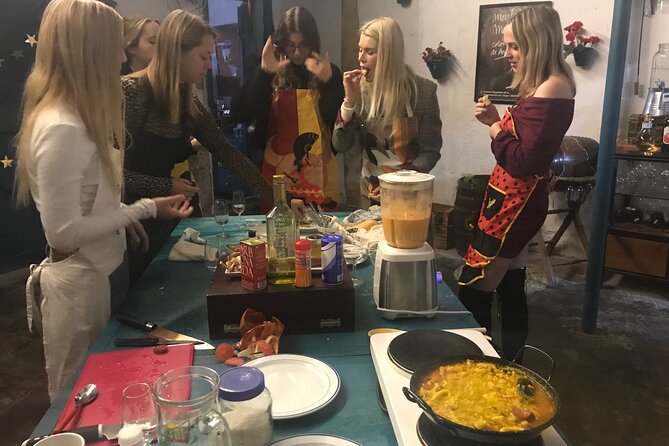
The paella lesson takes more attention. You work through the ingredients and cooking stages step by step, with the instructor explaining how to judge progress by smell and sound as well as appearance. That sensory advice can be more useful than a rigid recipe because rice dishes change with the pan, heat, and quantity.
The class describes the paella as Cordobesian, using a perol cordobés. Do not assume this always means seafood. The ingredients can change with the season, and one session used pork instead. If you do not eat meat, seafood, or another ingredient, contact the operator before booking and repeat the request at the class. A dietary request made at the last minute may not be enough.
More paella classes in Cordoba:
- Sevilla: Rooftop Paella Cooking Class & 30-minute expert Q&A
★ 5.0 · 198 reviews - Seville: Paella Showcooking Experience
★ 4.7 · 161 reviews - Seville: Paella Showcooking Experience
★ 4.5 · 141 reviews
The 1 p.m. meeting in central Córdoba
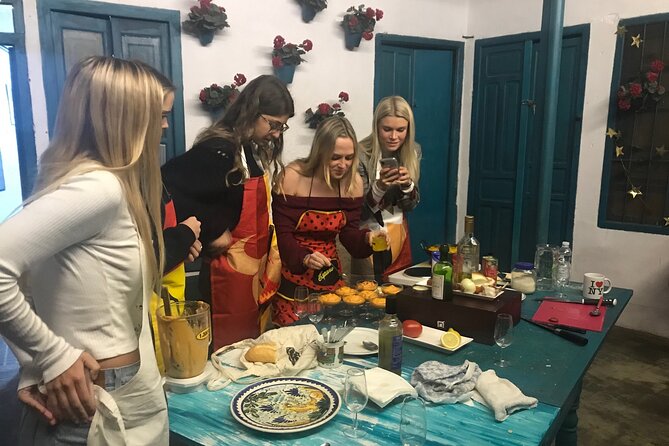
The listed meeting point is Things to Do Córdoba at C. Carlos Rubio 11, Local, in the Centro area. The class begins at 1 p.m. and returns to the meeting point when it ends.
Some sessions have involved meeting Bárbara near the clock tower, then walking a short distance to a family home. Other descriptions refer to a cellar-like basement kitchen, a rooftop, or an old winery-style space. That is important: you should not book this expecting one fixed restaurant kitchen with the same appearance every day.
The changing locations may reflect how the activity operates, but they also create a reasonable question about what you are paying for. Before setting out, confirm the meeting instructions and ask where the cooking will take place. If the physical setting matters to you, ask whether the class will be in the winery, a basement, a rooftop, or another private space.
The central location is convenient for a Córdoba sightseeing day. A 1 p.m. start also works well as a late lunch activity, especially since you eat the food afterward. Allow a little extra time around the scheduled two hours if you have a fixed afternoon booking, since the exact pace may depend on the size and language mix of the group.
A glass of wine before the chopping starts
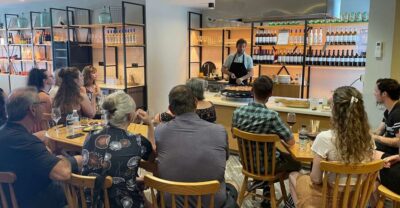
The class begins with an introduction to the dishes, their place in Cordoban cooking, and the ingredients you will use. Wine is served as part of the experience, and the atmosphere may include flamenco playing while you work.
That opening matters because it turns the class into more than a recipe exchange. You get a short explanation of how salmorejo came about, its different names and varieties, and some of its nutritional qualities. The class may also lead to useful conversation about Córdoba itself, including suggestions for places to eat and drink afterward.
Adrian has been praised for explaining what different ingredients contribute to a dish and for describing how to tell when food is ready by smell and sound. Bárbara has been praised for being patient, encouraging, and good at sharing local history. The guide can shape the whole afternoon, so it is worth understanding that the host may not be the same person at every departure.
Making salmorejo, Córdoba’s signature dish
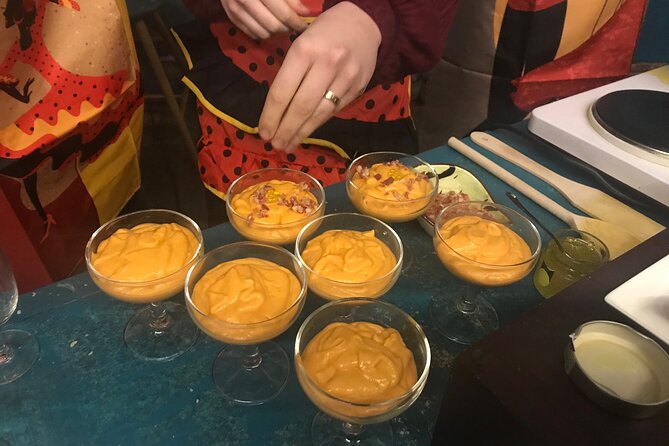
Salmorejo is the strongest reason to choose this particular class instead of a general Spanish cooking lesson. It is tied closely to Córdoba, and learning it in the city gives the dish a useful sense of place.
You prepare your own portion under supervision. The lesson covers chopping and blending, along with the balance between tomato, bread, and the other ingredients. Because salmorejo is served cold, it is also a practical dish for a warm Andalusian day and an easy recipe to recreate at home.
The class may use the names salmorejo cordobés, ardoria, or ardorío. These names can refer to related local versions, so the lesson gives you a little context rather than treating the recipe as one unchanging formula.
I would pay close attention during this part and ask for the recipe in writing. One family recipe was used in a class, and the cooking method is simple enough that a few precise notes about quantities and texture will help more than trying to remember the steps later.
More cooking classes in Cordoba:
- Local cooking class in Cordoba. Hands on: Salmorejo
★ 4.6 · 25 reviews - Feed the Fire Private Cooking Class & Market Tour
★ 5.0 · 20 reviews - Seville: Spanish Cooking Class with Dinner
★ 4.9 · 900 reviews - Spanish Cooking Class & Triana Market Tour in Sevilla
★ 5.0 · 760 reviews
Cooking paella with a Cordoban twist
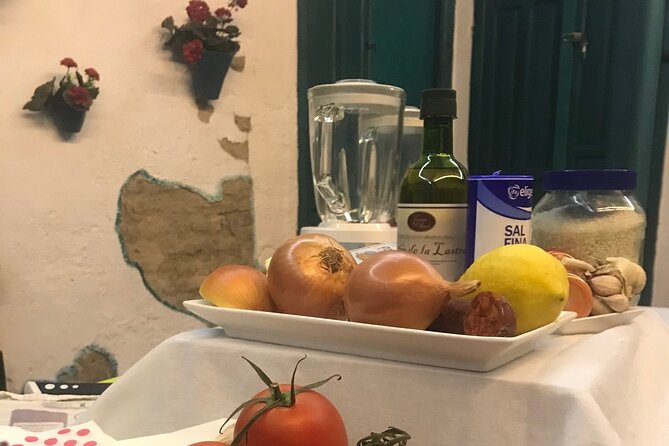
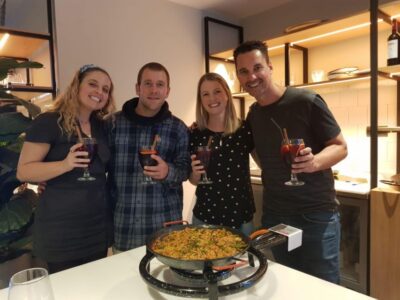
The paella portion is more social and more variable. You may work with seafood, meat, or vegetables, depending on the current menu. One family group made seafood paella and found it approachable even though they had always considered the dish difficult. Another session used pork, which disappointed a Muslim participant who had expected seafood.
That difference is not necessarily a problem, since paella is made in many forms across Spain. It does mean you should not treat the menu as fixed unless the operator confirms it. Ask specifically what protein or ingredients will be used, especially if you follow halal, vegetarian, pescatarian, or allergy-related restrictions.
The teacher guides you through preparing the ingredients and cooking the rice. The useful lesson is not just the ingredient list. You also learn how the dish develops, how the heat affects it, and how to recognize readiness without relying only on a timer.
The quality of this part depends heavily on the session. Some people found the food delicious and the instructions clear. Others felt the ingredients were ordinary or not fresh enough, and one person found that an electric frying pan did not deliver the paella experience they expected. If you are a serious cook seeking a traditional professional kitchen, this may feel basic.
Eating what you made with local wine
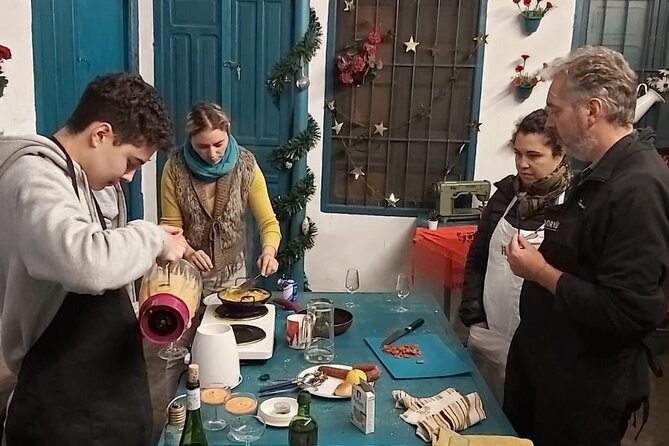
At the end, you sit down to eat the salmorejo and paella you prepared. For many people, this is the payoff: a shared lunch that feels more personal because you handled the ingredients yourself.
The wine pairing is local, and the class presents it as part of the city’s food culture rather than an optional add-on. Some sessions have included a particularly well-matched local wine, while another person found the wine ordinary. Expect a pleasant accompaniment, not a formal tasting led by a wine specialist.
The meal is also a good chance to talk with the other people in the class. Families have used the session as a shared activity, and the small format can work well for adults and children who enjoy cooking together. The class is not only about taking home a recipe. It gives you a story to attach to the food when you prepare it later.
The location question deserves attention
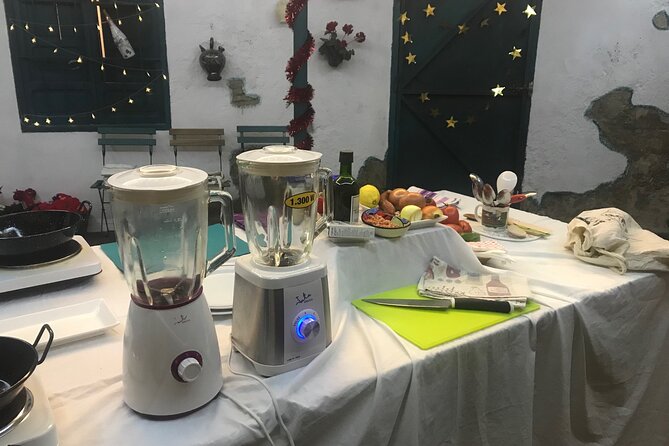
The physical setting is the biggest uncertainty in this experience. The description presents an old winery, while individual sessions have taken place in a basement, a private apartment, or a rooftop. One person enjoyed a cellar-basement-kitchen-bar atmosphere, while others described a dusty basement with a folding table and a cramped eating arrangement.
That difference can change your impression of the class. A rustic family space may feel warm and personal to you. It may also feel improvised if you expect a polished cooking school.
The space is worth clarifying before you go, particularly if you have mobility concerns or prefer a formal kitchen. Service animals are allowed, and the meeting point is near public transportation, but the available information does not describe the layout of every cooking venue.
Hygiene and equipment: a fair warning
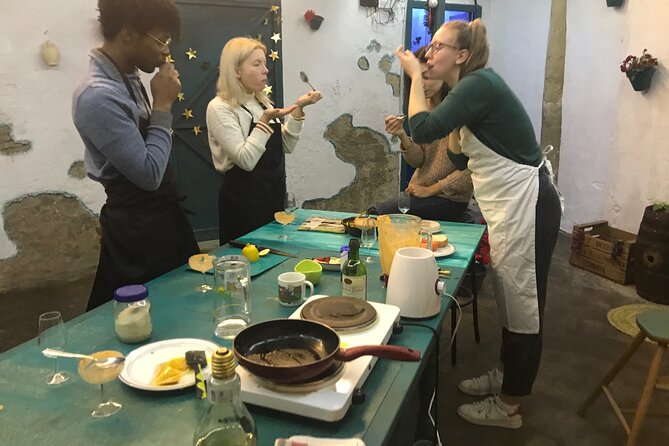
I would not ignore the negative comments about kitchen practice. Several people raised concerns about limited hand-washing facilities, knives, cutting boards, and the handling of raw ingredients. One account described an extension cord holder being moved from the floor onto the food preparation table.
These are specific concerns, not minor matters of style. If you cook often or have strict food-safety expectations, you may find the setup uncomfortable. The reports are not consistent with the more positive sessions, so standards may vary by location, host, or day, but you should still ask about the cooking space if hygiene is a priority.
The equipment also appears informal in some sessions. Dull knives make fresh vegetables harder to cut, and random plates or cutlery can make the meal feel less finished. That does not prevent you from learning the basic recipes, but it limits the sense of a professional class.
How the guides affect the experience
Adrian receives especially strong praise for patience, warmth, and practical instruction. His approach includes explaining the purpose of ingredients and using smell and sound to show when food is ready. That is the kind of guidance that helps a beginner cook with more confidence.
Bárbara is also described as friendly, patient, encouraging, and well connected to local Córdoba stories and advice. Families have appreciated her ability to involve children, while other people enjoyed the relaxed conversation about the city.
Language can affect this. The experience is presented in English, but one English speaker found that interpretation was limited when most of the group spoke Spanish. If you need detailed English instruction, confirm the language arrangement before booking. A mixed-language class can be fun, but technical cooking explanations are harder to follow when translation is casual.
Is $53.41 a fair price?
At $53.41 per person, the class is reasonably priced if you want three things together: instruction, a meal, and a local social experience. You are not paying only for a plate of paella. You are also getting the preparation, the salmorejo lesson, wine, cultural context, and a small group capped at 10.
The value is strongest for first-time cooks, families, and people who enjoy meeting others over food. You can leave with two recipes that are practical to repeat, especially salmorejo, and with local suggestions for the rest of your stay.
The value is weaker if you expect a professional culinary school, premium ingredients, spotless commercial equipment, or a fixed traditional venue. In that case, the informal setting and variable paella menu may not match the price in your mind.
A 4.6 rating from 34 ratings suggests that most sessions deliver a pleasant experience, but the small number of ratings also means you should read the details rather than rely on the score alone. The praise centers on the hosts, the fun of making your own food, and the taste of the finished dishes. The criticism centers on venue accuracy, hygiene, ingredients, and language support.
Who should book this Córdoba class?
I would recommend it to you if you:
- Want to learn a distinctly Cordoban recipe, not just a broad Spanish menu
- Prefer cooking in a small group to watching a demonstration
- Like informal family-style settings
- Are traveling with children or relatives and want a shared activity
- Enjoy local wine and conversation
- Are happy with a paella menu that may change by season
I would think twice if you:
- Need strict dietary control and have not confirmed the ingredients
- Expect seafood paella as standard
- Want a polished professional kitchen
- Have high food-safety standards
- Need guaranteed English instruction throughout
- Prefer a fixed, photo-accurate venue
The activity requires good weather, and cancellation is free up to 24 hours before the 1 p.m. start. Within 24 hours, the payment is not refunded. If poor weather cancels the class, you are offered another date or a full refund.
Should you book it?
Book this class if you want a friendly, hands-on introduction to salmorejo and paella, and you value the people and food more than polished surroundings. The best sessions offer clear teaching, local stories, a good glass of wine, and a satisfying lunch that you helped create.
Before paying, confirm three points: the paella ingredients, the teaching language, and the cooking location. Those answers will tell you whether this is the relaxed Córdoba food experience you want or an improvised class that may leave you disappointed.
FAQ
Where does the cooking class meet?
The listed meeting point is Things to Do Córdoba, C. Carlos Rubio 11, Local, Centro, 14002 Córdoba, Spain. The activity starts and ends at the meeting point.
What time does the class start?
The scheduled start time is 1 p.m.
How long does the experience last?
The class lasts approximately two hours, although one account described a session lasting about one and a half hours.
What dishes will I learn to make?
You will learn to prepare Cordoban salmorejo and paella in the Cordobesian perol cordobés style.
Is the paella always seafood?
No. The paella may use seafood, meat, or vegetables depending on the season and current menu. You should request dietary requirements in advance.
How many people can join the class?
The activity has a maximum of 10 participants.
Can I cancel for a refund?
You can cancel at least 24 hours before the start time for a full refund. Cancellations or changes made within 24 hours are not refunded or accepted. If poor weather causes the activity to be canceled, you are offered another date or a full refund.
More 2-Hour Experiences in Cordoba
- Cordoba’s Authentic Patios: 2-Hour Tour with Tickets
★ 4.4 · 896 reviews - Cordoba’s Authentic Patios: 2-Hour Tour with Tickets
★ 4.0 · 62 reviews - Córdoba: Alcázar and Jewish Quarter 2-Hour Guided Tour
★ 4.2 · 50 reviews - Private Tour of Cordoba Week Days 2 Hours Tickets included
★ 5.0 · 3 reviews
More Workshops in Cordoba
- Seville: Flamenco Dance Class with Optional Costume
★ 4.9 · 1,032 reviews - Seville: 3.5-Hour Spanish Cooking Class & Triana Market Tour
★ 4.9 · 751 reviews - Seville: Paddle Surf Route and Class
★ 5.0 · 346 reviews - Spanish Cooking Class and Dinner in Seville
★ 5.0 · 261 reviews
Just added around Cordoba
- Tapas Tour Cordoba & Wine Experience with chef and sommelier★ 4.8 · 3 reviews
- O75 . The Oliva experience that you deserve★ 5.0 · 3 reviews
- Private Tour of Cordoba Week Days 2 Hours Tickets included★ 5.0 · 3 reviews
- Córdoba: Private Mosque-Cathedral and City Tour★ 5.0 · 3 reviews
- Private Tour: Mezquita-Catedral from Cordoba★ 5.0 · 3 reviews
- Cordoba: Jewish History Private Tour★ 4.0 · 3 reviews
- Cordoba private tour from Seville including the great Mosque for up to 8 persons★ 4.0 · 3 reviews
- Cordoba Highlights: Guided Day Tour from Seville★ 4.5 · 3 reviews
Paella Cooking Classes, compared.
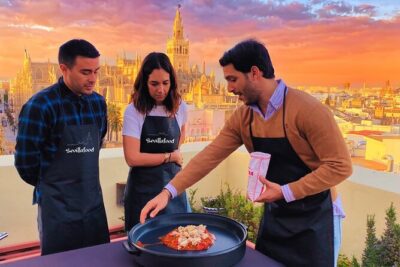
Rooftop Paella Cooking Class & 30-minute expert Q&A
Read our review →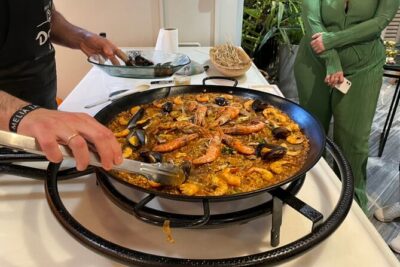
Sangria Tasting & Paella Showcooking Experience
Read our review →
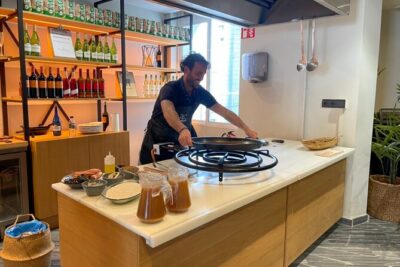
Paella-Cooking Experience with Sangria & Full Meal
Read our review →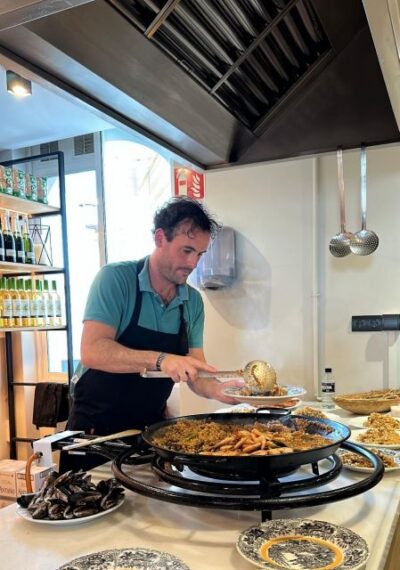
Browse the lists this tour appears in