
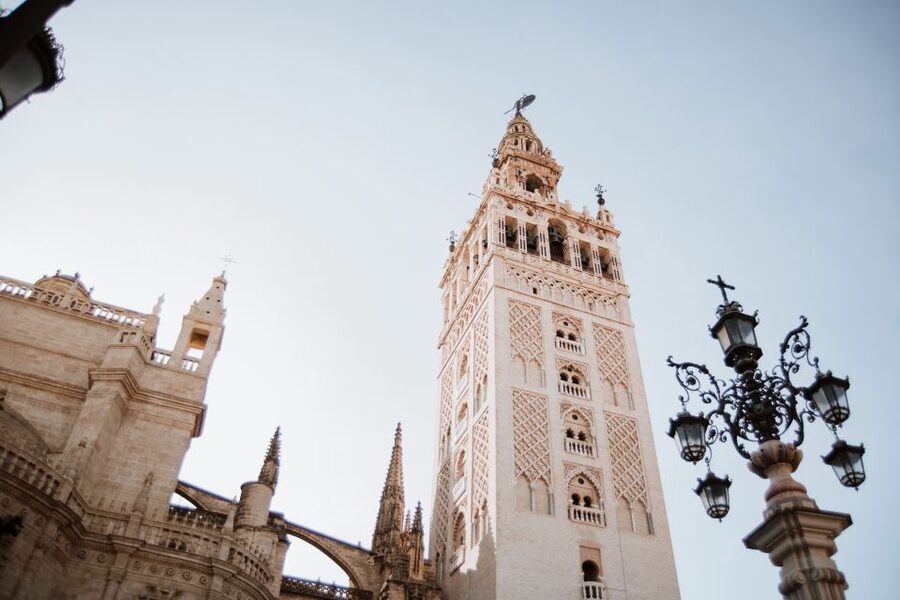
Reviewed · JEWISH QUARTER TOURS
Seville Jewish Quarter walking tour: Santa Cruz District
Santa Cruz is Seville at its most atmospheric: narrow lanes, whitewashed walls, orange trees, flower-filled patios, and stories that turn an ordinary street corner into a small piece of theatre. The former Jewish quarter is easy to wander through, but much harder to understand without someone pointing out what the names, legends, and old walls mean.
I like the strong storytelling, especially the tales of Susona, Barrabás, and Miguel Mañara. I also like the small-group feel reported by several guests, with guides such as Juan, Julio, Anna, and Valentin answering questions and adjusting the walk to the group. The main drawback is time: at 1.5 hours, this is a lively introduction rather than a slow, detailed study of every stop.
In This Review
- Key points to know before you book
- Starting beneath the Virgen de la Inmaculada statue
- Plaza de la Alianza and the first turn into Santa Cruz
- Plaza de Doña Elvira and the romance of orange trees
- Calle Susona and a legend with real emotional weight
- Hospital de los Venerables and Seville’s Golden Age
- Casa Murillo and the city’s artistic side
- Rosina’s Balcony and opera in the streets
- Calle Ópera Carmen and Seville’s dramatic image
- Patio de Banderas and the last look at the old quarter
- What the $15 price really buys you
- The guides are the main reason to go
- Comfort, timing, and who will enjoy it most
- Booking details worth knowing
- Should you book the Santa Cruz walk?
- FAQ
- How long does the Santa Cruz walking tour last?
- What language is the tour offered in?
- Where does the tour meet?
- How do I identify the guide?
- Where does the tour finish?
- Is hotel pickup included?
- Is the tour wheelchair accessible?
- Can I attend a flamenco show with the tour?
Key points to know before you book
- Susona’s story gives Calle Susona a human face: Her tale of love, betrayal, and identity adds emotion to the neighborhood’s past.
- The walk covers more than pretty lanes: You’ll connect Jewish heritage with Seville’s folklore, opera, courtyards, old walls, and water systems.
- Guides make the difference: Past guides have included Julio, Anna, Juan, Lara, Alfredo, and Valentin, with particular praise for clear English, humor, and historical depth.
- The route begins and ends near major sights: Meet at Plaza del Triunfo and finish at Patio de Banderas, a useful location for continuing your day.
- At $15, the price is modest: You are paying for a focused local introduction, not admission to monuments or a long interior tour.
- Comfort matters in Seville: Wear sensible shoes and use sun protection, especially during the hotter months.
Starting beneath the Virgen de la Inmaculada statue
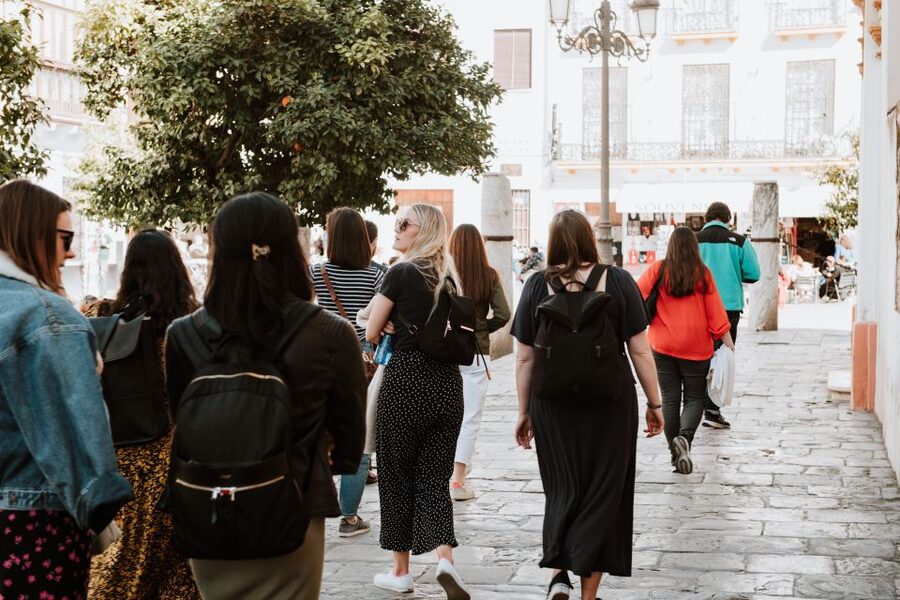
The meeting point is Plaza del Triunfo, beneath the statue of the Virgen de la Inmaculada. This is a practical place to begin because it sits beside some of Seville’s biggest sights, including the cathedral and the Alcázar area.
Look for a guide with a blue umbrella or a Sevilla Guías & Tours name badge. Since the plaza can be busy, identifying the umbrella or badge matters more than simply waiting near the general square.
The opening guided portion lasts about 10 minutes. Your guide sets the scene for Santa Cruz and explains why this district matters within Seville’s historic center. You are not starting with a museum lecture. You are getting the basic map in your head before entering the maze.
That opening context helps. Santa Cruz can feel like a collection of attractive lanes with no clear order. Once you understand its former role as Seville’s Jewish quarter, its street names and tight layout become easier to read.
More Jewish Quarter Tours in Seville
- Seville: Small-Group Jewish Quarter Discovery Walking Tour
★ 4.9 · 499 reviews - Seville: 1-Hour Walking Tour Barrio de Santa Cruz
★ 4.5 · 131 reviews - Private Tour Jewish Quarter, center and Plaza de España
★ 5.0 · 127 reviews
Plaza de la Alianza and the first turn into Santa Cruz
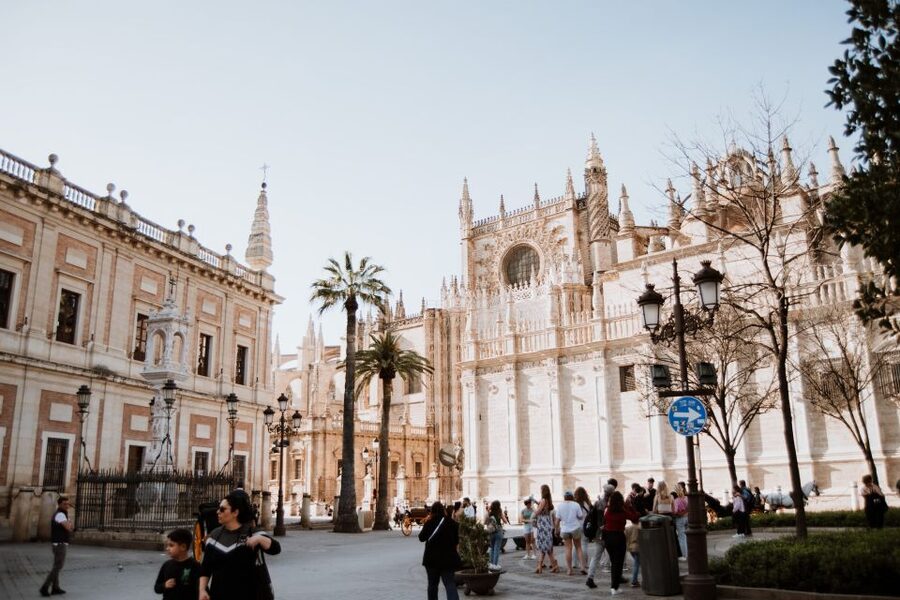
From Plaza del Triunfo, the route moves to Plaza de la Alianza. This stop receives about 10 minutes of guided attention and marks the shift from Seville’s grand public spaces to the more intimate world of Santa Cruz.
I like this kind of transition because it lets you compare two sides of the city. One moment, you are near major monuments and broad ceremonial spaces. Soon after, you are looking into narrower streets where the interest lies in details, legends, and small architectural clues.
The guide’s job here is important. Without explanation, a plaza may simply look picturesque. With local context, you begin to notice how the neighborhood’s layout, buildings, and public spaces connect to Seville’s past.
Do not expect a long stop for sitting or photography. The tour moves at a steady pace, and the short timing keeps the walk lively. If you want carefully composed photographs of every square, you will need to return later.
Plaza de Doña Elvira and the romance of orange trees
Plaza de Doña Elvira is one of the prettiest pauses on the route. Orange trees and a romantic atmosphere make it a natural place for the guide to bring in the softer, more poetic side of Seville.
This is also where you can appreciate how much of Santa Cruz’s appeal comes from scale. The square is not presented as a single grand sight. Its charm comes from the relationship between trees, white walls, small details, and surrounding lanes.
Your guide may connect the square to local anecdotes and legends rather than sticking only to dates. That approach suits Santa Cruz. The district is best understood through a mix of documented events, folklore, art, and stories passed through generations.
The practical point is simple: enjoy the atmosphere, but keep listening. A short stop can contain more information than the setting first suggests.
Calle Susona and a legend with real emotional weight
Calle Susona is the most story-driven stop on the walk. The street is tied to Susona, a young Jewish woman whose tale involves love, betrayal, and questions of identity.
I find this kind of story useful because it gives a personal scale to a subject that can otherwise feel remote. Jewish history in Seville is not only about dates and political change. It is also about individual lives, difficult choices, and the way later generations remember them.
The guide explains why Susona’s name remains attached to this street and how history and legend meet here. You should treat the story as folklore shaped by memory, not simply as a modern news report from the past. That distinction makes the tale more interesting, not less.
This is one of the places where a strong guide can change the whole visit. Several guides associated with this walk, including Anna, Julio, and Alfredo, have been praised for adding context beyond the basic facts. Alfredo, in particular, has been singled out for his command of Jewish-quarter history and Seville more broadly.
More Walking Tours in Seville
- Seville: Small-Group City Highlights Walking Tour
★ 5.0 · 1,204 reviews - Cultural Walking Tour of Seville Monumental
★ 5.0 · 861 reviews - Seville: Tapas, Taverns, and History Walking Tour
★ 4.9 · 676 reviews - Seville: Tapas, Taverns and History Guided Walking Tour
★ 4.9 · 515 reviews
Hospital de los Venerables and Seville’s Golden Age
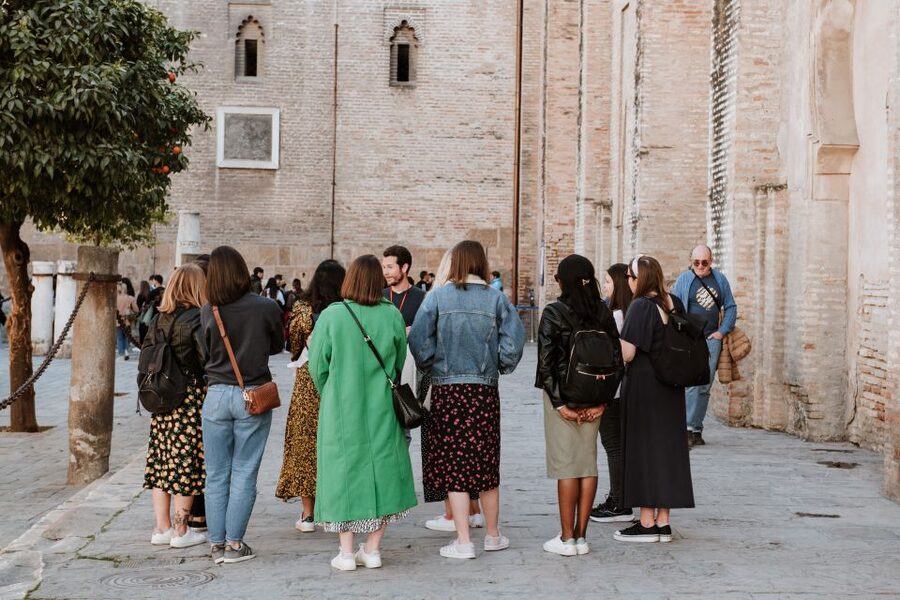
The route continues to the Hospital de los Venerables, described as a symbol of Seville’s Golden Age. The stop lasts about 10 minutes and adds an important change of tone.
Santa Cruz is often sold through romance and narrow lanes, but Seville’s story also includes institutions, religion, art, and civic life. The hospital helps widen the picture. You are not looking only at a former Jewish quarter. You are seeing a district shaped by different periods and communities.
The tour does not include food, drinks, or specified monument admissions. That matters here. You should think of the stop as an exterior and historical introduction unless your guide tells you otherwise, not as a full visit inside the building.
If you plan to explore the Hospital de los Venerables in detail, save separate time for it. The walking tour gives you a reason to notice the site and understand its place in the neighborhood, but the 1.5-hour format cannot cover every interior or collection.
Casa Murillo and the city’s artistic side
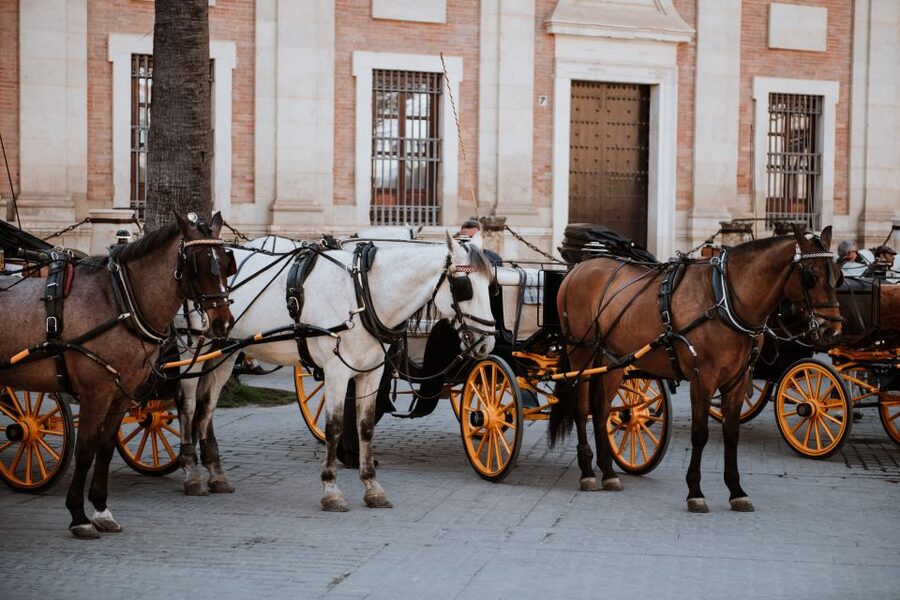
Casa Murillo is another short guided stop. Its inclusion brings art and local identity into a tour that might otherwise focus only on Jewish heritage and folklore.
The route works best when you see these subjects as connected. Santa Cruz has layers. A lane may carry a religious association, a literary reference, an opera connection, or a story about a local figure. The guide helps you move between those layers without losing your sense of place.
You may hear more about Seville’s artistic past here, depending on the guide’s interests and the group’s questions. Past guides such as Lara, Anna, and Valentin have been praised for making history clear and lively rather than reciting a list of facts.
Because the stop is brief, listen for the main idea and note anything you want to investigate later. You will not leave with a full course in Sevillean art, but you should gain a clearer sense of why this neighborhood appears so often in the city’s cultural stories.
Rosina’s Balcony and opera in the streets
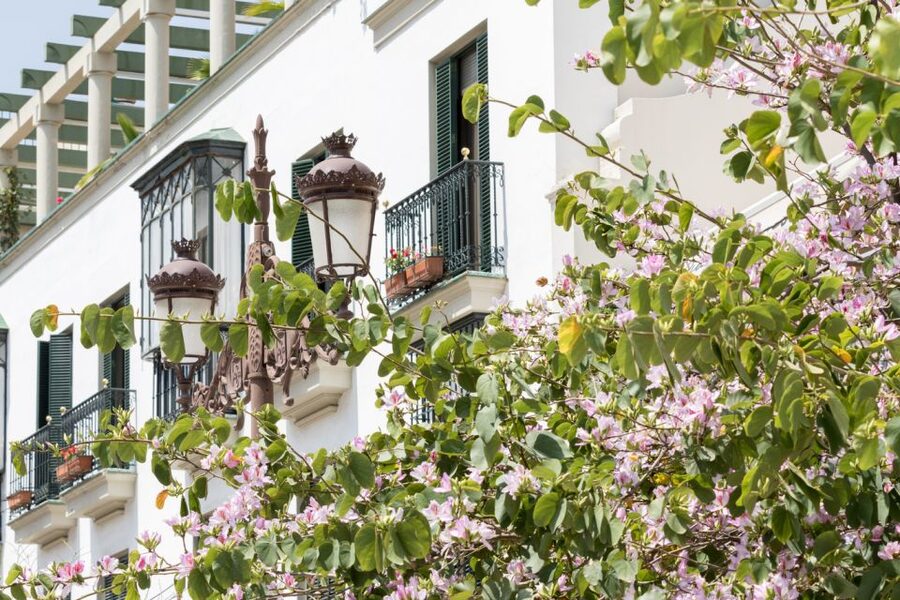
Rosina’s Balcony adds a theatrical thread. The route uses the balcony and nearby streets to connect Santa Cruz with opera and literary imagination.
That is one of the more unusual strengths of the walk. You are not only hearing about political or religious history. You are also learning how Seville’s lanes became part of stories performed on stage and retold in popular culture.
Several guides have connected the neighborhood’s physical details with opera. Julio, for example, has been praised for explaining how the city’s past continues to appear through opera. This can be especially appealing if you enjoy music, theatre, or the way real places are reshaped by art.
Still, keep expectations in check. The included activity is the walking tour. A flamenco show is optional and must be requested from the guide at the meeting point or checked in advance for availability. It is not part of the basic $15 price.
Calle Ópera Carmen and Seville’s dramatic image
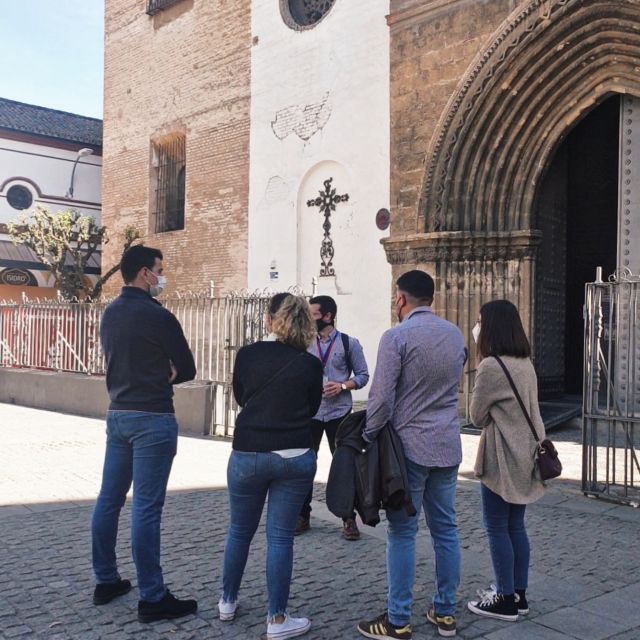
Calle Ópera Carmen continues the opera theme. Here, the guide can show how Seville’s streets, names, and atmosphere have helped create the city’s dramatic public image.
This section is valuable because it explains why Santa Cruz can feel almost staged. The narrow routes, enclosed plazas, balconies, fountains, and orange trees have a strong visual character. But the guide also reminds you that the neighborhood is more than scenery for a story.
I appreciate the balance when the guide moves from romantic legend back to actual local context. The best moments come when you can enjoy the drama while still learning how the quarter developed and how people used its streets.
The short stop also keeps the route moving toward Patio de Banderas. You get a taste of the opera connection without spending the entire walk on theatre references.
Patio de Banderas and the last look at the old quarter
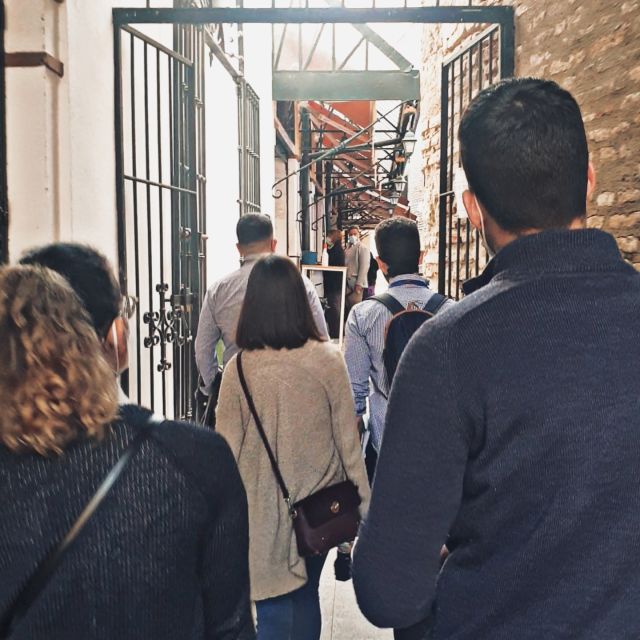
The tour finishes at Patio de Banderas, after a final guided portion and a listed hop-on hop-off stop. Ending here is convenient. You are still close to the Alcázar and the central sights of Seville, so you can continue sightseeing on foot.
Patio de Banderas is a good place to pause and connect the route’s ideas. You have seen the former Jewish quarter, heard Susona’s legend, passed places linked with opera, and considered the blend of Jewish, Christian, artistic, and local traditions that shaped Santa Cruz.
The route is designed as a complete walk, not a transport excursion. The hop-on hop-off reference does not mean you need to ride a bus as part of the tour. It identifies a stop along the route.
At the end, ask your guide about anything you want to revisit. Guides have been praised for inviting questions and explaining subjects beyond the scheduled facts. That can make the final minutes particularly useful if you are planning to return to Santa Cruz on your own.
What the $15 price really buys you
At $15 per person, this is inexpensive for a guided introduction in central Seville. You are paying for 1.5 hours with a live guide in English or Spanish, along with a route that links several named places and stories.
The value is not in admission tickets. No hotel pickup, food, drinks, or unspecified extras are included. The price makes sense if your main goal is orientation and interpretation.
I would compare it with the cost of wandering alone and missing the meaning behind the street names. Santa Cruz is free to walk through, but the guide supplies the connections: why Calle Susona matters, how old water systems and walls fit into the story, and where Seville’s folklore meets opera.
For $15, I would book it early in a Seville stay. You can then use the route to get your bearings and return later to the places that deserve more time.
The guides are the main reason to go
The strongest pattern in the feedback is the quality of the individual guides. Julio appears repeatedly as a friendly, clear, and highly informed guide, with particular strength in the history of Barrio Santa Cruz and the background of opera.
Anna has been praised for excellent English, warmth, and the ability to make a small group feel entertained while explaining street names, local customs, and stories such as Susona. Valentin is described as funny, enthusiastic, and strong at answering detailed questions.
Juan has been noted for adapting the walk to the interests of a very small group. Lara and Alfredo have also received strong praise for historical depth and clear explanations. You cannot select a specific guide from the information provided, so the exact style will depend on who leads your departure.
That is not a serious weakness, but it is worth knowing. The route is fixed, while the emphasis may shift. One guide may focus more on Jewish history, another on folklore, another on opera and Seville’s wider past.
Comfort, timing, and who will enjoy it most
The walk is listed as wheelchair accessible, and the narrow streets are part of the route. Wear comfortable shoes and bring sunblock. Seville can be sunny and hot, and there is no reason to make a pleasant walk harder than it needs to be.
The 1.5-hour length suits you if you want a compact introduction before visiting the cathedral, Alcázar, or another district. It also works well for a first morning or afternoon in Seville.
You may want something longer if you prefer slow photography, extended monument visits, or a detailed academic treatment of the Jewish quarter. One person specifically wished the tour were longer, which is a fair point. The route covers many stops, so the pace must stay fairly brisk.
I would recommend it most to first-time visitors, people interested in Jewish heritage and folklore, opera fans, and anyone who likes learning the meaning behind urban details. Families and mixed-interest groups may also find the stories easier to follow than a purely date-heavy lecture.
Booking details worth knowing
You meet under the Virgen de la Inmaculada statue in Plaza del Triunfo. Find the blue umbrella or the Sevilla Guías & Tours name badge, and arrive ready to walk.
The tour is offered in English or Spanish with a live guide. You can cancel up to 24 hours before the activity for a full refund, and the reserve-now, pay-later option keeps your plans flexible.
An optional flamenco show may be available. Ask at the meeting point or contact the provider ahead of time. Since it is not included in the standard tour, treat it as a separate add-on.
Should you book the Santa Cruz walk?
I would book this tour if you want Santa Cruz to mean more than pretty lanes and orange trees. The route is short, affordable, and packed with memorable anchors: Susona, the ghost of Barrabás, Miguel Mañara, Rosina’s Balcony, Callejón del Agua, and the courtyards and plazas between them.
I would skip it only if you already know Santa Cruz well or want long, in-depth visits inside monuments. For most visitors, $15 is a sensible price for local orientation, especially when the guide brings humor, opera, folklore, and Jewish heritage into the same walk.
Go early in your Seville visit, wear good shoes, and leave a little time afterward to wander back through the lanes at your own pace. That is when the stories begin to stick.
FAQ
How long does the Santa Cruz walking tour last?
The tour lasts 1.5 hours.
What language is the tour offered in?
The live guided tour is offered in English or Spanish.
Where does the tour meet?
Meet in Plaza del Triunfo, under the Virgen de la Inmaculada statue.
How do I identify the guide?
The guide will be holding a blue umbrella or wearing a name badge with the Sevilla Guías & Tours logo.
Where does the tour finish?
The tour finishes at Patio de Banderas.
Is hotel pickup included?
No. Hotel pickup is not included, so you must make your own way to Plaza del Triunfo.
Is the tour wheelchair accessible?
Yes. The activity is listed as wheelchair accessible.
Can I attend a flamenco show with the tour?
An optional flamenco show may be available. Ask the guide at the meeting point or contact the provider in advance to check availability.
More Jewish Quarter Walks
- Córdoba: Jewish Quarter, Mosque, and Alcázar Tour
★ 4.7 · 4,279 reviews - Cordoba Mosque & Jewish Quarter Tour with Tickets
★ 4.6 · 1,996 reviews - Córdoba: Mosque-Cathedral, Jewish Quarter and Alcázar Tour
★ 4.7 · 1,426 reviews - Cordoba: Jewish Quarter and Mosque-Cathedral Guided Tour
★ 4.6 · 996 reviews
Just added around Seville
- Seville: Wine and Gourmet Tapas Tour★ 5.0 · 3 reviews
- Tapas Tour Cordoba & Wine Experience with chef and sommelier★ 4.8 · 3 reviews
- The most complete tour of Seville: All the highlights included★ 5.0 · 3 reviews
- Seville: Spritz Tasting Experience★ 4.8 · 3 reviews
- Ronda and White Villages Private Day Trip from Seville★ 5.0 · 3 reviews
- Jerez: Historic center of Jerez and horse show★ 5.0 · 3 reviews
- SEVILLE: REAL ALCÁZAR TOUR★ 5.0 · 3 reviews
- Royal Alcazar of Seville Guided Tour★ 5.0 · 3 reviews
Jewish Quarter Tours, compared.
Cordoba Mosque & Jewish Quarter Tour with Tickets
Read our review →
Mosque-Cathedral, Jewish Quarter and Alcázar Tour
Read our review →
Jewish Quarter and Mosque-Cathedral Guided Tour
Read our review →
Mosque-Cathedral, Alcazar & Jewish Quarter with Tickets
Read our review →
Mosque-Cathedral of Cordoba and Jewish Quarter Tour
Read our review →
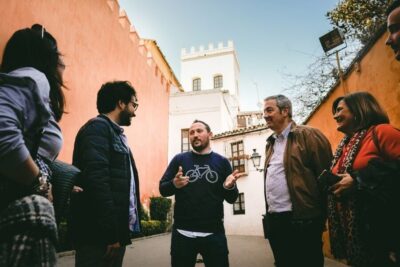
Small-Group Jewish Quarter Discovery Walking Tour
Read our review →Browse the lists this tour appears in