
Reviewed · MUSEUMS
Seville: Museum of Fine Arts Guided Tour
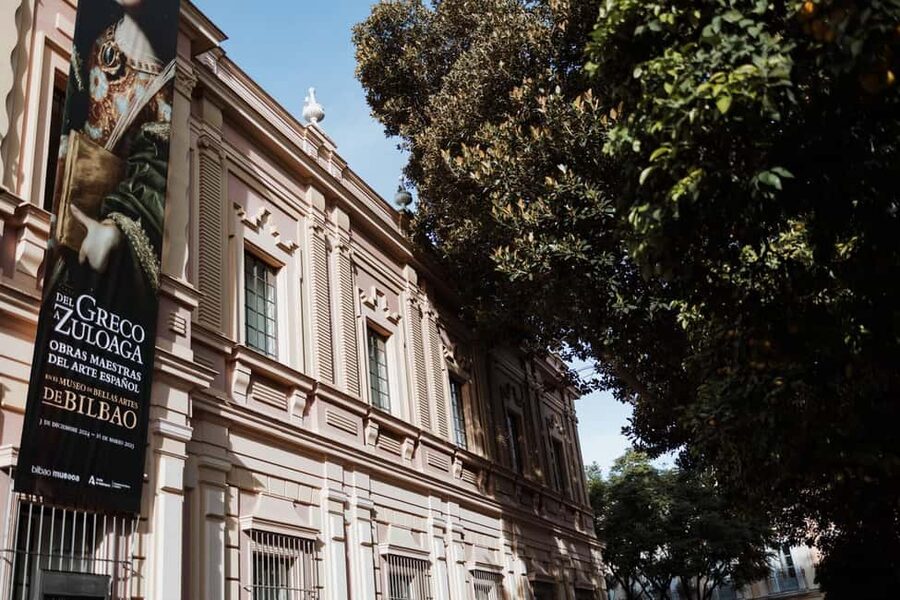
Seville’s Museum of Fine Arts is much more than a quiet gallery of old paintings. It occupies the former Convent of La Merced, where Renaissance cloisters frame rooms filled with Gothic, Baroque, and Sevillian art. A guide helps you read the symbols, people, and local stories that can be easy to miss when you wander alone.
I like two things right away: the small group, limited to eight, and the way the tour links art to Seville’s past rather than treating each painting as an isolated object. Guides such as Julio have been praised for explaining symbolism in plain English and adjusting the depth of the talk to the group. The main drawback is time. Two hours gives you a strong introduction, but not a slow look at every room.
In This Review
- Key points to know before you book
- Why this museum deserves two hours
- Meeting at Plaza del Museo
- Entering the former Convent of La Merced
- From Gothic Seville to the Renaissance
- Murillo and the Seville Baroque
- Sevillian Costumbrismo and local character
- What the guide adds to the visit
- Two hours, eight people, and the pace
- Is $23 a fair price?
- Who should book this tour?
- Should you book the Museum of Fine Arts tour?
- FAQ
- Where does the tour meet?
- How will I recognize the guide?
- How long does the tour last?
- What languages are available?
- What is included in the price?
- How large is the group?
- Is the museum entrance skip-the-line?
- Can I stay in the museum after the guided tour?
- Is the museum wheelchair accessible?
- Can I cancel for a refund?
Key points to know before you book
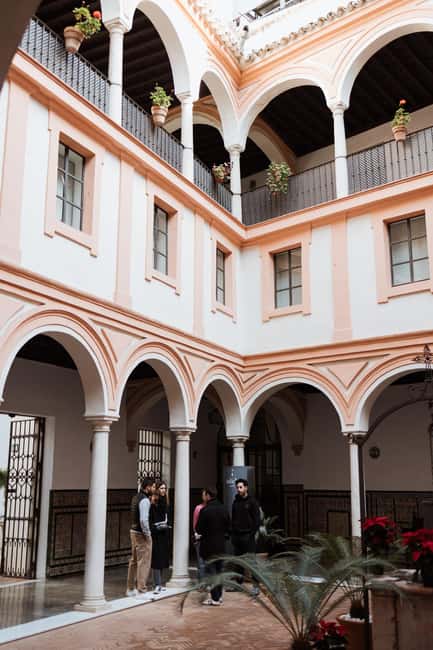
- The building is part of the experience: Explore the former Convent of La Merced, including the Claustro de los Bojes and the Claustro Mayor.
- Murillo gets special attention: A dedicated room presents selected works by Bartolomé Esteban Murillo, Seville’s best-known painter.
- The guide adds context: Expect discussion of religious symbols, artistic styles, historical periods, and the lives of the artists.
- Small groups keep the tour personal: With no more than eight people, it is easier to hear the guide and ask questions.
- Entry and express security are included: You meet at Plaza del Museo, next to the statue of Murillo, then enter with your guide.
- The $23 price is sensible: It covers admission and two hours with a licensed guide, while you may remain inside after the tour.
Why this museum deserves two hours
I would put the Museum of Fine Arts high on your Seville list if you want to understand the city beyond its famous cathedral and palace. The collection follows major changes in Spanish art, from Gothic religious works to Renaissance sculpture, dramatic Baroque painting, and scenes of everyday Sevillian life.
The setting gives the visit a strong sense of place. This is not a modern white-box gallery. The museum occupies La Merced, a former convent in Seville’s historic center, and its architecture helps explain why religious art played such a large part in the city’s artistic life.
The tour is especially useful if paintings usually leave you cold. A guide can point out who is represented, why a particular object appears in a scene, and how the work reflects its period. You do not need an art degree. In fact, the guide’s ability to make complex ideas manageable is one of the most useful features of this visit.
More museums in Seville:
- Seville: Puro Flamenco Show with Optional Museum Ticket
★ 4.8 · 6,088 reviews - Jerez de la Frontera: Andalusian Horse Dance and Museums
★ 4.7 · 1,289 reviews - Seville: Museum of Illusions Entry Ticket
★ 4.2 · 1,196 reviews
Meeting at Plaza del Museo
Your starting point is the Asociación Amigos del Museo de Bellas Artes at Plaza del Museo. Look for the guide next to the statue of Murillo, carrying a blue umbrella or wearing a name tag marked Sevilla Guías & Tours.
This meeting point is simple, but give yourself enough time to find the statue and guide. The museum is in central Seville, and transportation to the plaza is not included, so you make your own way there.
The tour is offered in English or Spanish. It is worth checking your chosen language and starting time when you reserve. Since the group is capped at eight, the experience should feel more like a guided conversation than a large museum lecture.
Entering the former Convent of La Merced
The first pleasure is architectural. La Merced’s Renaissance and Baroque design gives the visit a calm rhythm, with elegant halls and courtyards leading you from one collection area to the next.
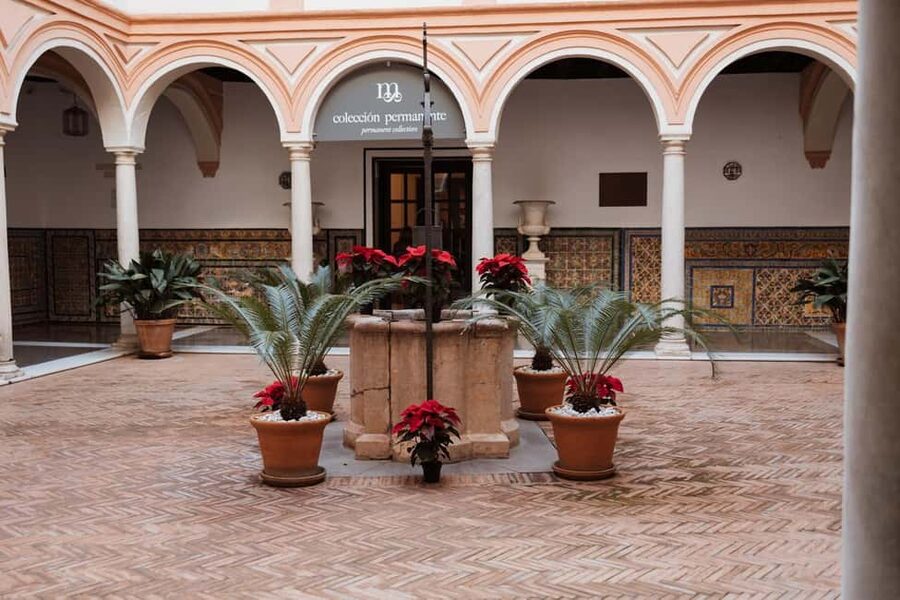
The Claustro de los Bojes and the Claustro Mayor are key stops. These cloisters offer a break from the paintings and show how the building once functioned as a religious complex. Their proportions, stonework, and quiet atmosphere also make the museum feel distinctly Sevillian.
I like seeing the building before judging the collection. The art is not simply placed in a neutral container. The former convent frames the works and reminds you that many of them were created for churches, religious communities, and private devotion.
There is a practical benefit, too. The cloisters give the two-hour tour a natural flow. You are not standing in one crowded room for the entire visit, and the change of setting helps keep the information fresh.
From Gothic Seville to the Renaissance
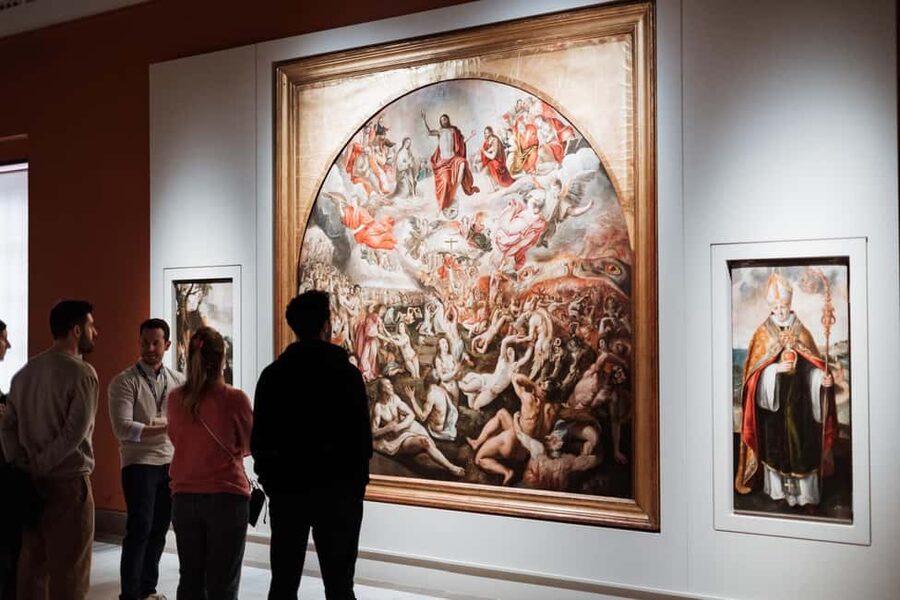
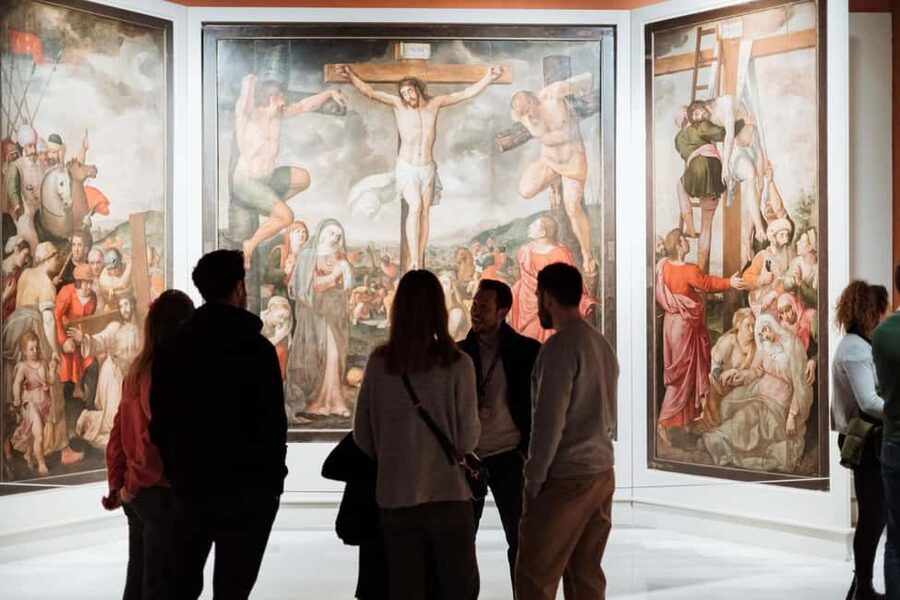
The collection traces an artistic shift that shaped Seville and Andalusia. Early Gothic works tend to emphasize devotion and formal religious imagery, while Renaissance artists bring greater interest in the human body, space, and classical ideas.
The guide’s job here is not just to name a painter and date a canvas. You can expect an explanation of what changed between periods and why those changes mattered. The collection includes Gothic pieces from Seville and other parts of Andalusia, so you get a sense of local art within a wider regional setting.
One important work is Saint Jerome Penitent by Torrigiano, a Renaissance sculpture. It offers a useful contrast to the paintings around it. Sculpture can make the physical presence of a saint feel immediate, while the surrounding works use color, gesture, and composition to tell their stories.
If you visit alone, you might recognize the broad labels but miss the connections. With a guide, you can ask why a work looks the way it does, how religious subjects were presented, and how Seville’s artists responded to the artistic ideas circulating across Europe.
A few more Seville tours worth comparing
- Seville: Royal Alcázar Entry Ticket
★ 4.6 · 28,378 reviews - Seville: Cathedral and La Giralda Entry Ticket
★ 4.5 · 24,592 reviews - Seville: Live Flamenco Dancing Show Ticket at the Theater
★ 4.7 · 16,396 reviews - Seville: Casa de la Memoria Flamenco Show
★ 4.8 · 12,964 reviews
Murillo and the Seville Baroque
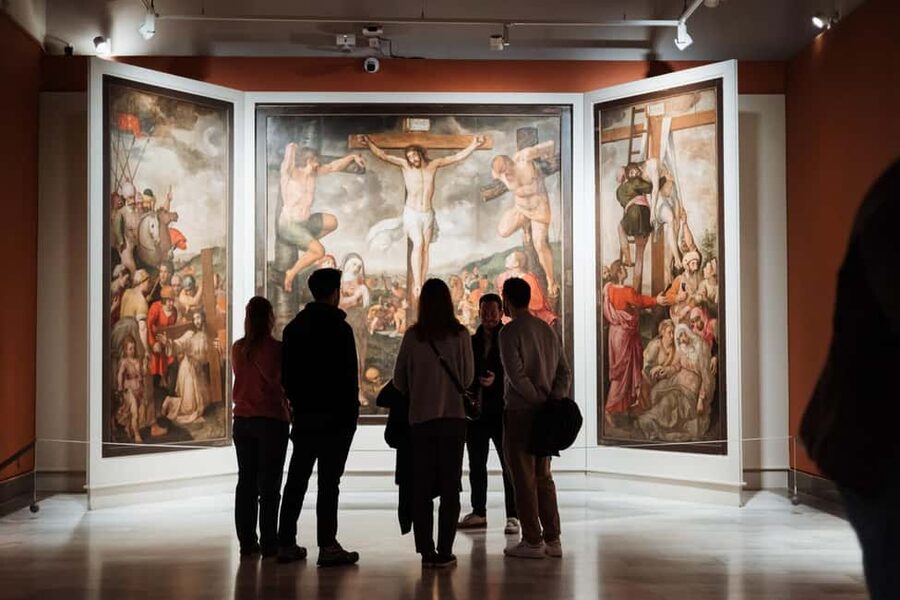
The room devoted to Bartolomé Esteban Murillo is likely to be the emotional center of the tour. Murillo was a major Sevillian painter, and his work helps explain the city’s place in Spanish Baroque art.
Expect the guide to focus on selected works rather than attempt every painting in the museum. That is a good choice. A two-hour visit works best when you spend real time with a handful of important pieces instead of racing through a long checklist.
Murillo’s paintings reward close attention to expression, gesture, and the relationships between figures. A guide can show you how the artist creates feeling and how religious subjects were made approachable for the people who viewed them.
The discussion also reaches beyond technique. You may hear about Seville’s society, religious life, and the way art connected with ordinary people. That wider context makes Murillo more than a famous name on a wall.
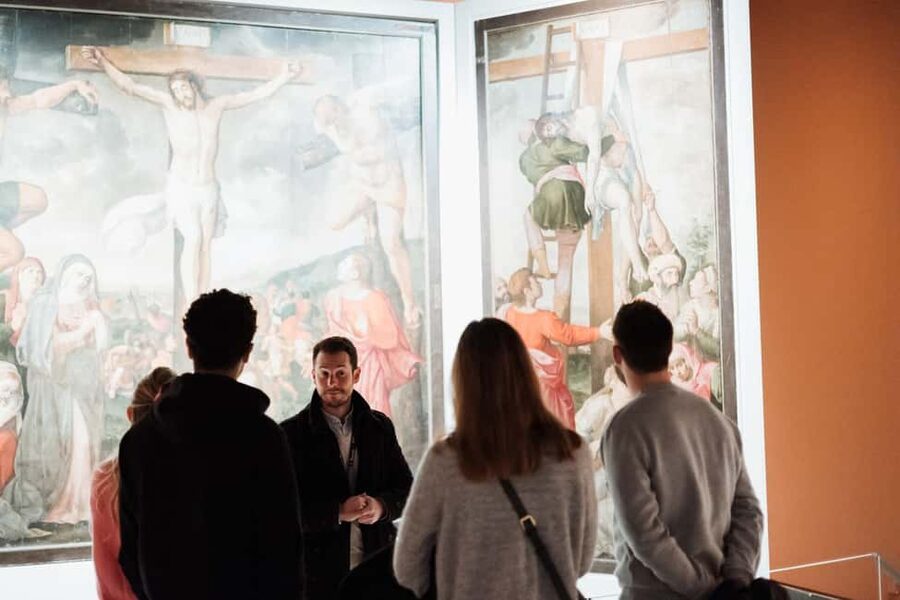
Several comments about this tour single out the guide’s ability to explain symbolism and history without making the talk hard to follow. That matters here. Baroque paintings can look busy at first glance, but a clear explanation helps you sort out the visual clues.
Sevillian Costumbrismo and local character
The museum does not stop with religious masterpieces. Its collection also includes Sevillian Costumbrismo, art focused on local customs, people, and scenes of daily life.
This section helps balance the grand religious works. You see Seville not only through the eyes of painters working for churches, but also through images tied to the city’s social character. For me, that makes the museum feel more connected to the streets outside.
The exact works emphasized can depend on the guide and the pace of your group. That is one reason a small guided visit works well. The guide can spend more time on a subject that interests you, or explain a work in simpler terms if you are new to Spanish art.
If your main interest is Murillo, you will still get the benefit of the wider collection. If you prefer scenes of people and local life, Costumbrismo gives you a different way into the museum.
What the guide adds to the visit
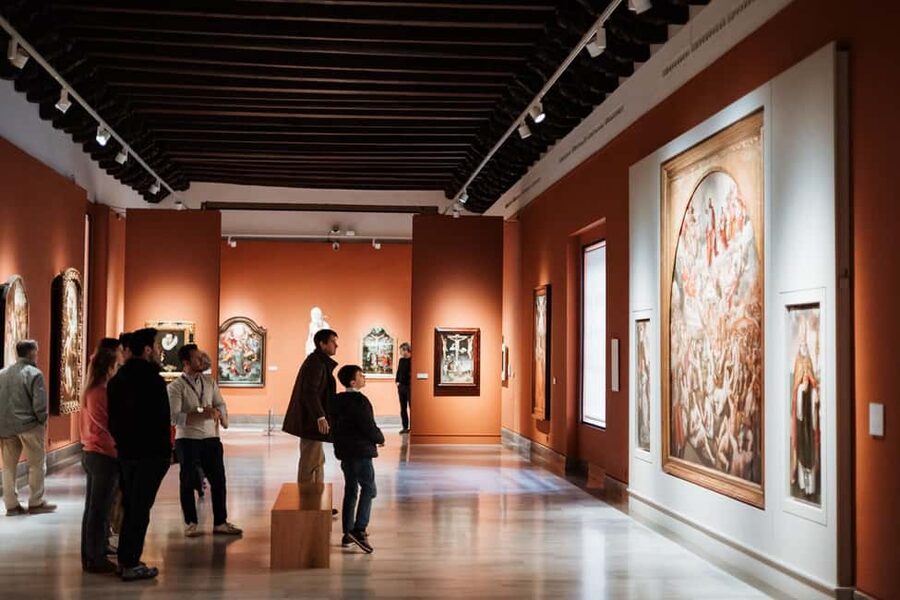
The strongest part of this experience is the human explanation. Several guides have led the tour, including Julio and Lorraine, but Julio appears repeatedly in the feedback and is praised for his historical background, clear English, humor, and friendly manner.
That does not mean you are guaranteed to have Julio. It does mean the tour provider has a guide with a strong record of making the museum accessible to people with very different levels of art experience.
Julio has been praised for connecting paintings and sculpture to the period in which they were made, explaining iconography, and answering questions carefully. One useful detail is that he has contacted participants before a tour to introduce himself. That kind of communication can make the meeting point less stressful, though it may not happen with every guide.
A headset or earpiece has also been used on at least some tours. This is helpful in a museum, where shouting across a room is distracting and easy to miss. Equipment can vary, so do not assume every departure uses one, but it is a welcome feature when available.
The tour also seems suitable for beginners. You do not need to know the difference between Gothic and Baroque art before arriving. A good guide can start with the basics, then add more detail for people who want it.
Two hours, eight people, and the pace
Two hours is a sensible length for a first visit. It is long enough to understand the building, see important parts of the collection, and hear the story of Seville’s art without turning the outing into an all-day assignment.
The limit of eight participants is more important than it may sound. In a large group, you often stand at the back, lose the thread of the explanation, or avoid asking a question. A group this small makes it easier to see the chosen works and speak directly with the guide.
The tradeoff is that you will not cover the entire museum in detail. The Museum of Fine Arts is Spain’s second-largest gallery, so two hours can only provide a selection. Think of the tour as a guided introduction, not a complete survey.
After the guided portion, you can stay in the museum as long as you wish. This improves the value considerably. Use the tour to learn what deserves your attention, then revisit a favorite room at your own speed.
Is $23 a fair price?
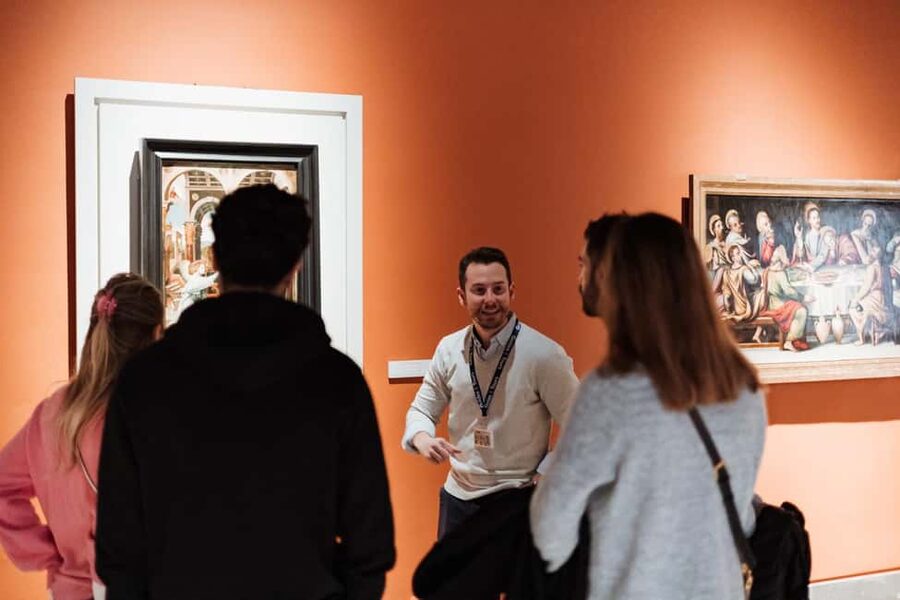
At $23 per person, this is a reasonable purchase for someone who wants more than admission. The price includes entry, an expert licensed guide, and a two-hour small-group visit. You are paying for interpretation and time saved, not just access to the building.
The value is strongest if you are unfamiliar with Spanish art. Without help, you can admire the architecture and attractive paintings, but the links between Gothic, Renaissance, and Baroque art may remain vague. The guide gives you a framework you can use for the rest of your Seville visit.
It is also good value if you plan to remain afterward. You are not forced to leave when the tour ends. Stay to look again at Murillo, return to the cloisters, or explore rooms the guide had to skip.
The price does not include transportation, food, or drinks. That is not a serious issue for a central museum visit, but you should factor in your route to Plaza del Museo.
Who should book this tour?
I would choose this tour for a first visit to Seville, especially if you want a clear introduction to Spanish painting without spending half a day in a museum. It suits couples, families with older children, solo visitors, and anyone who prefers explanation to an audio guide.
It is also a good pick for people who enjoy history but do not usually study art. The guide brings in the period, local society, religious symbolism, and the artists’ working lives, so you get a fuller picture than a list of names and dates.
Art specialists may find the two-hour selection too limited, but the ability to stay afterward helps. You can use the guided portion to establish priorities, then continue independently.
The museum is wheelchair accessible. Pets are not allowed. Free cancellation is available up to 24 hours before the tour, and you can reserve now and pay later, which helps if your Seville plans are still changing.
Should you book the Museum of Fine Arts tour?
Book it if you want the former convent, Murillo room, Renaissance sculpture, and Sevillian painting to make sense as part of one story. The $23 fee is fair because admission and a small-group guide are included, and you can keep exploring after the official two hours.
Skip the guided option only if you already know the collection well or prefer to study every room alone from the start. For most visitors, a guide such as Julio can turn a pleasant museum stop into a more memorable lesson in Seville’s art and culture.
FAQ
Where does the tour meet?
Meet at the Asociación Amigos del Museo de Bellas Artes in Plaza del Museo, next to the statue of Murillo.
How will I recognize the guide?
Look for a blue umbrella or a name tag that says Sevilla Guías & Tours.
How long does the tour last?
The guided visit lasts two hours.
What languages are available?
The tour is available in English or Spanish.
What is included in the price?
The price includes entrance to the Museum of Fine Arts of Seville and an expert licensed guide.
How large is the group?
The tour is limited to eight participants.
Is the museum entrance skip-the-line?
The experience includes an express security check.
Can I stay in the museum after the guided tour?
Yes. After the two-hour tour, you can remain in the museum as long as you wish.
Is the museum wheelchair accessible?
Yes, the activity is listed as wheelchair accessible.
Can I cancel for a refund?
You can cancel up to 24 hours in advance for a full refund. You can also reserve now and pay later.
Just added around Seville
- Seville: Wine and Gourmet Tapas Tour★ 5.0 · 3 reviews
- Tapas Tour Cordoba & Wine Experience with chef and sommelier★ 4.8 · 3 reviews
- The most complete tour of Seville: All the highlights included★ 5.0 · 3 reviews
- Seville: Spritz Tasting Experience★ 4.8 · 3 reviews
- Ronda and White Villages Private Day Trip from Seville★ 5.0 · 3 reviews
- Jerez: Historic center of Jerez and horse show★ 5.0 · 3 reviews
- SEVILLE: REAL ALCÁZAR TOUR★ 5.0 · 3 reviews
- Royal Alcazar of Seville Guided Tour★ 5.0 · 3 reviews
Museums, compared.
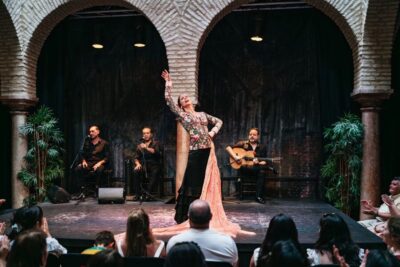
Puro Flamenco Show with Optional Museum Ticket
Read our review →


A Fantastic Visit To The Museum Of Illusions Seville
Read our review →
Medina Azahara Museum and Archaeological Site Tour
Read our review →
Combined ticket: Puro Flamenco Show + Flamenco Museum visit
Read our review →
Espacio Exploraterra: Nao Victoria 500 Replica and Museum
Read our review →Browse the lists this tour appears in