
Reviewed · MEDINA AZAHARA TOURS
Cordoba: Medina Azahara 3–Hour Guided Tour
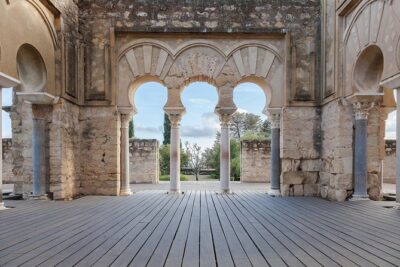
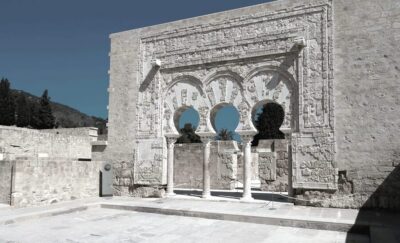
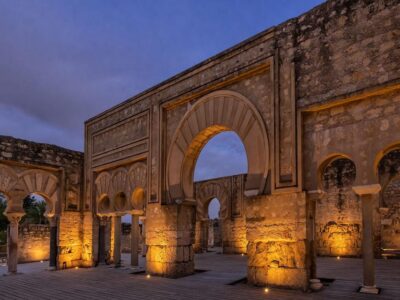
Medina Azahara is where Córdoba’s grand 10th-century story takes physical shape. Built by Abderramán III, this former palace city now survives as broad ruins, broken walls, and carefully preserved details that help you picture the era when Córdoba reached its height.
I like the way this tour pairs the archaeological site with the museum, then uses a period reconstruction video to tie the pieces together. I also like the strong guiding, especially from Carmen and María del Carmen Moreno Gayoso, known as Mamen, whose clear explanations make the site easier to follow.
The main drawback is that the tour is offered in Spanish only, and the uneven archaeological site is not suitable for people with mobility impairments. Bring water, a hat, and shoes made for walking in the sun.
In This Review
- Key points about the Medina Azahara visit
- Why Medina Azahara matters beyond the ruins
- From Córdoba to the Shining City
- Walking through Abderramán III’s city
- What makes the guide important
- The visitor center and its 160 original pieces
- The final video and the lost city
- Is $18 a fair price?
- Who will enjoy this three-hour tour?
- Practical tips for a smoother visit
- Should you book Medina Azahara?
- FAQ
- How long does the Medina Azahara tour last?
- Is transportation from Córdoba included?
- Can I meet the group directly at Medina Azahara?
- What language is the guided tour in?
- Does the tour include entrance to the monument?
- Does the visit include the museum?
- Is food or drink included?
- Is the tour suitable for people with mobility impairments?
Key points about the Medina Azahara visit
- A 10th-century palace city: Learn how Abderramán III created Medina Azahara during Córdoba’s period of greatest power.
- Site and museum in one visit: Walk the ruins, then see more than 160 original pieces at the visitor center.
- Spanish-speaking local guide: Carmen and Mamen are among the guides associated with especially clear, engaging explanations.
- Three hours with two transport choices: Join the group from Córdoba by bus if that option is selected, or meet at Medina Azahara.
- A useful visual finale: A video shows how the city may have looked in the 10th century.
- Good value at $18: The price covers a local guide and monument admission for EU citizens, with transport included only in the transport option.
Why Medina Azahara matters beyond the ruins
Córdoba is often introduced through its famous mosque-cathedral, but Medina Azahara explains another side of the city’s past. This was the city built by Abderramán III in the 10th century, when Córdoba was at the center of a powerful caliphate.
The site is known as the Shining City, a name that reflects the stories and legends tied to its creation. You are not simply looking at old stones. You are trying to understand a planned city built to express power, status, and the reach of its ruler.
That context is the real reason to take a guided visit. Without an explanation, the ruins can be hard to read. Walls, foundations, courtyards, and fragments may look similar at first glance. A good guide gives each area a purpose and helps you picture how the city once worked.
The tour is led in Spanish, so you should be comfortable following a live explanation in that language. If you are, the visit offers more than a walk through an archaeological site. It gives you a clear story to carry with you as you look at the remains.
More Medina Azahara trips:
- Córdoba: Medina Azahara 3-Hour Guided Tour
★ 4.6 · 969 reviews - Cordoba: Half-Day Medina Azahara Guided Tour
★ 4.6 · 288 reviews - Medina Azahara Guided Tour
★ 4.5 · 283 reviews
From Córdoba to the Shining City
You have two basic ways to begin. With the transport option, you travel with the group from Córdoba to Medina Azahara by bus. With the other option, you meet the group directly at the archaeological site.
The bus choice is the simpler plan if you are staying in Córdoba and want the outing organized from the city. It removes the need to arrange your own way to the site and keeps the visit tied to the group schedule. Check the selected option carefully, since transport is not included in every booking.
Meeting directly at Medina Azahara can suit you if you already have a way to reach the site. The meeting point varies according to the option booked, so confirm the exact instructions before setting out.
The total activity lasts three hours. That is enough time for a guided look at the ruins and a visit to the museum, but it is not a slow, open-ended archaeological study. You will get a focused introduction rather than hours to wander alone.
Walking through Abderramán III’s city
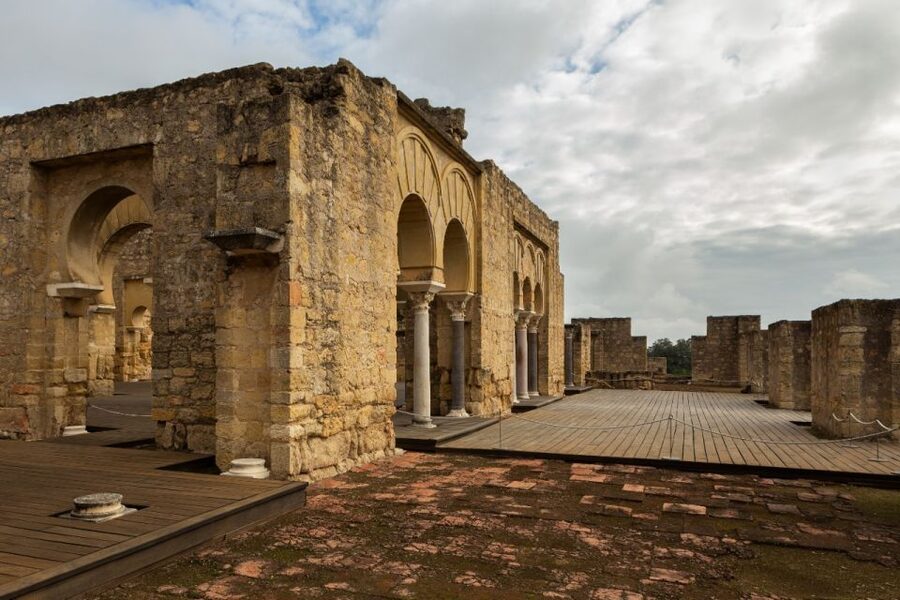
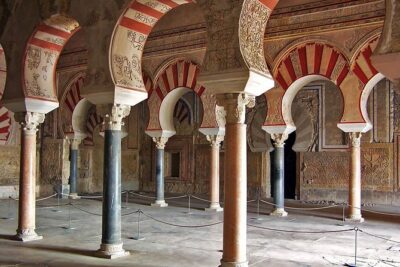
At the archaeological site, the guide sets out the historical setting before taking you through the parts open to visitors. This opening explanation matters because it gives meaning to the layout. You can begin to see Medina Azahara as a functioning city, not just a scattered group of remains.
The promise here is to visit every corner and nook that can be visited. That does not mean every surviving part of the ancient city is open or intact. It means the guide takes you through the accessible sections and points out the details that make the site worth your attention.
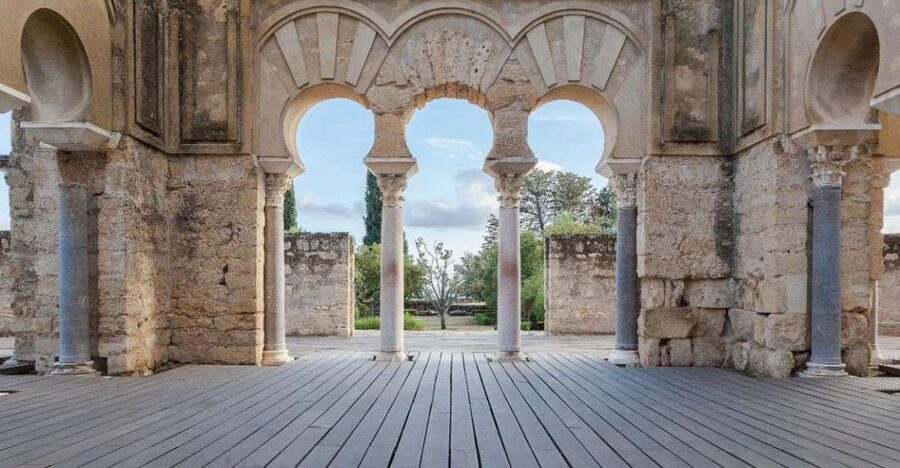
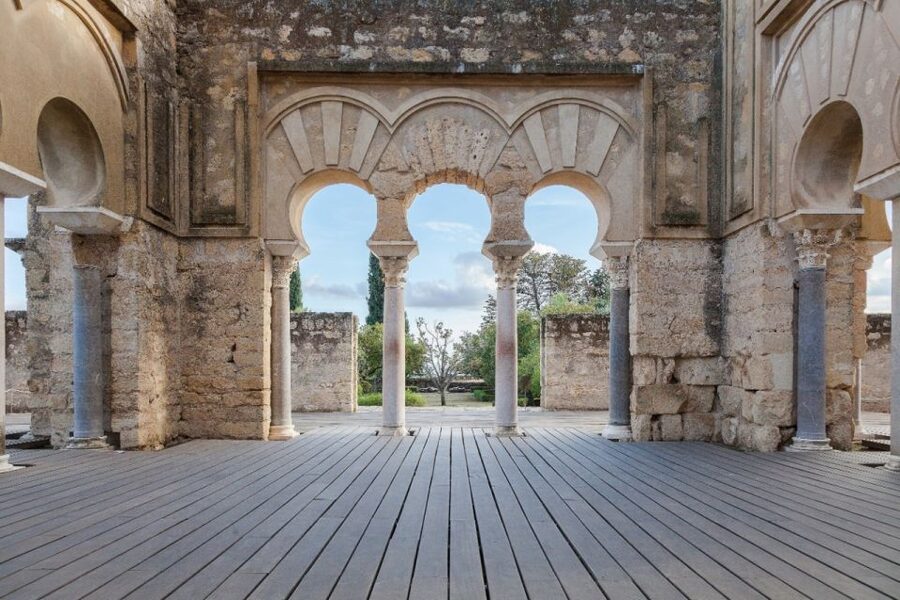
Look for the relationship between the open spaces, walls, and surviving architectural fragments. The pleasure comes from connecting these pieces to the wider idea of a city built during Córdoba’s maximum splendor. The guide’s job is to make those connections clear.
Carmen receives particular praise for holding attention from the first minute and explaining the site with a strong feel for its history. Mamen is also noted for adding practical information about how the city worked. Those details can make a major difference here because the physical remains need interpretation.
Expect to walk outdoors for much of this part of the visit. Comfortable clothing, sturdy shoes, a sun hat, and water are sensible choices. The supplied information specifically warns people to take drinks and wear comfortable shoes, and you should take that advice seriously in Andalusia.
What makes the guide important
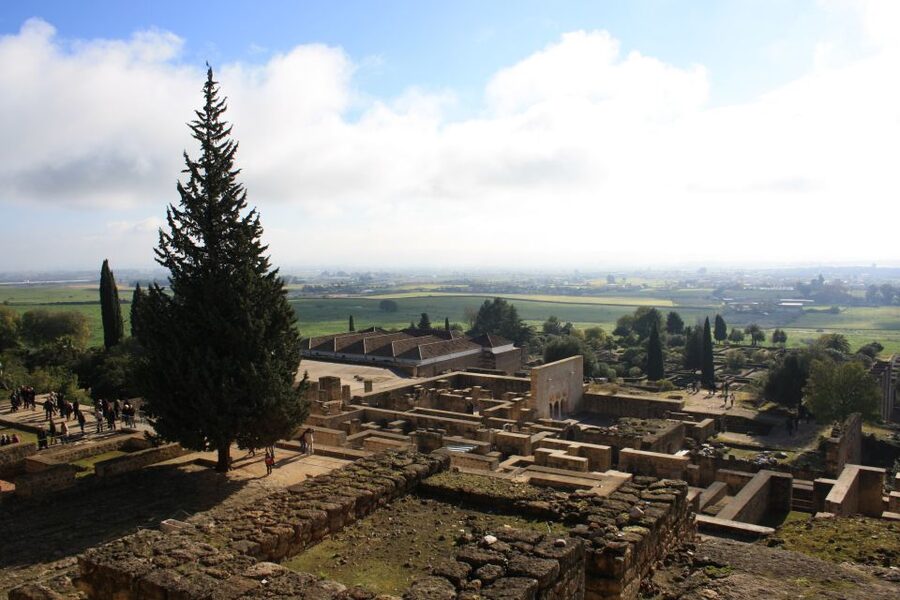
Medina Azahara is the kind of site where a guide can change the entire experience. The ruins do not tell their story in a neat sequence. You need someone to explain the political setting, the purpose of the city, and the legends that surround it.
Carmen is singled out for her command of the subject and her affection for the period. Mamen, also identified as María del Carmen Moreno Gayoso, is described as professional and able to explain how Medina Azahara functioned. These comments point to the tour’s strongest feature: the human explanation.
The guide speaks Spanish, and that language limit is important. This is not an audio tour with several language choices. You will need to understand Spanish well enough to follow the historical account and ask questions if you wish.
A live guide also lets you focus your attention. Instead of stopping at every fragment and trying to work out its role, you can listen, look, and build a picture of the city as you walk. For a site with many ruins but few complete structures, that help is worth paying for.
More Cordoba trips:
- Córdoba: Skip-the-Ticket-Line Mosque-Cathedral Guided Tour
★ 4.6 · 9,634 reviews - Cordoba Mosque-Cathedral: Skip-the-Line Guided Tour
★ 4.7 · 6,610 reviews - Córdoba: Jewish Quarter, Mosque, and Alcázar Tour
★ 4.7 · 4,279 reviews - Cordoba: Equestrian Show General Entry
★ 4.5 · 2,333 reviews
The visitor center and its 160 original pieces
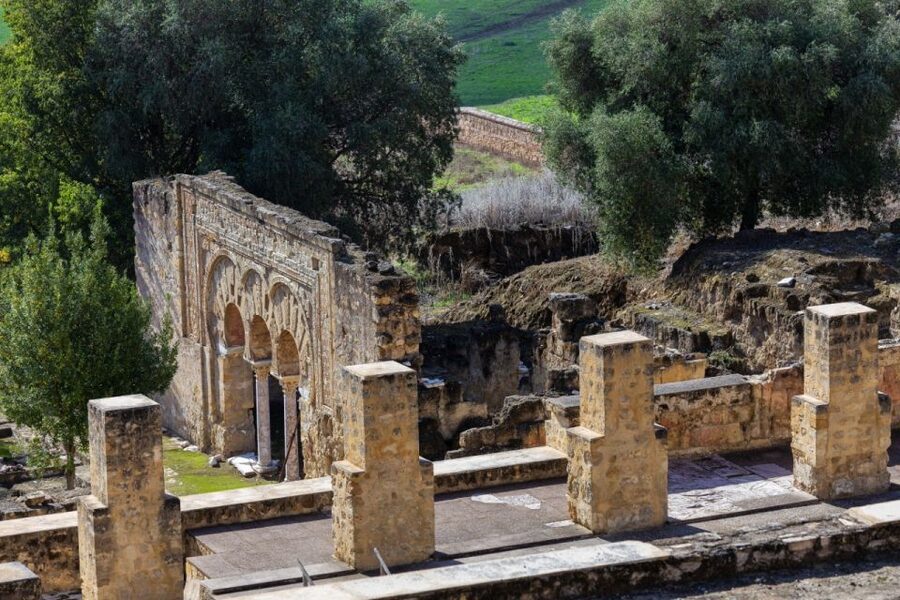
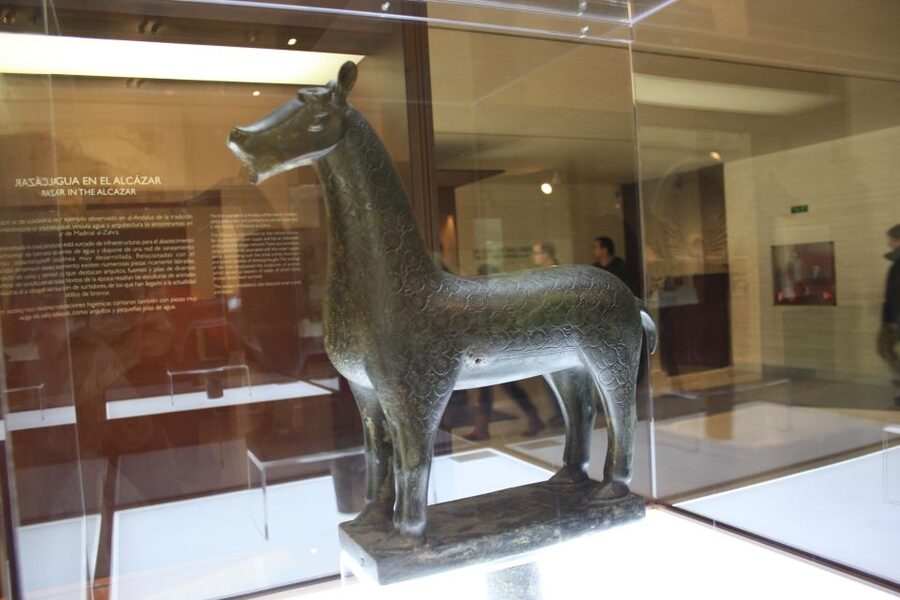
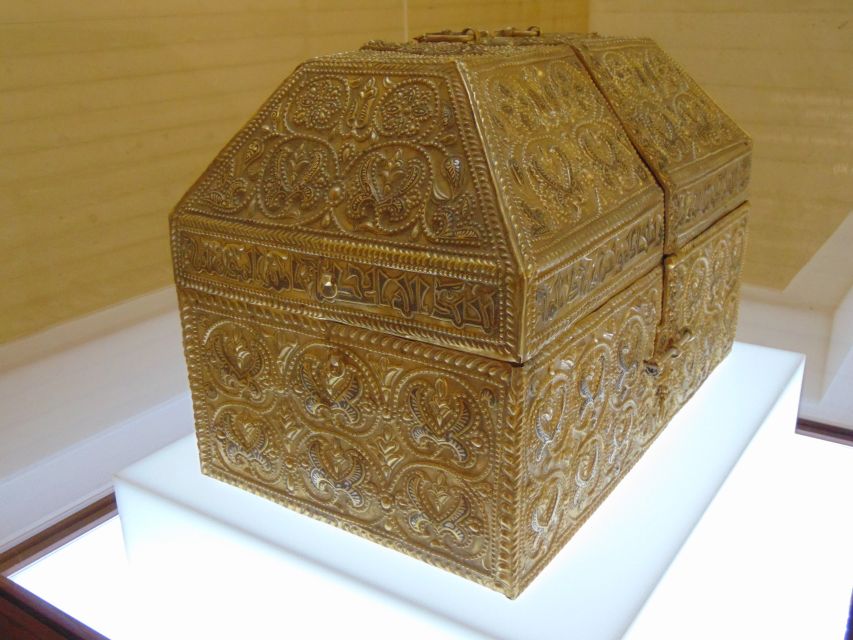
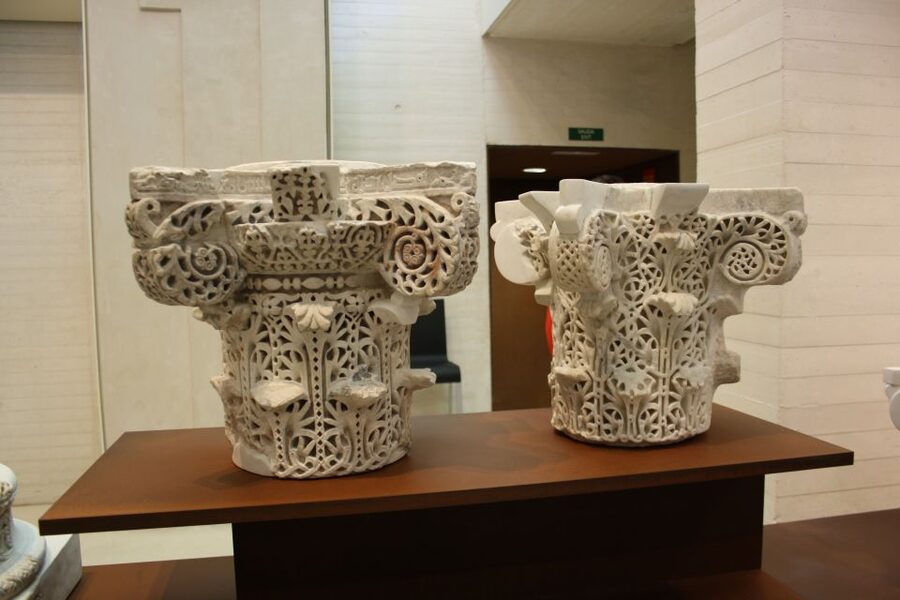
After the outdoor visit, the tour continues to the visitor center. Here, you see the museum collection, which contains more than 160 original pieces from Medina Azahara.
This indoor section balances the open-air ruins. At the site, you see architecture in place, but the museum lets you study objects and fragments at closer range. That combination helps explain both the construction of the city and the daily world connected to it.
Your guide accompanies you through the museum and points out the most important elements. You are not left to guess which pieces matter. The museum visit is especially useful if you like tangible evidence: original objects can make the old city feel more real than foundations alone.
The museum also gives the tour a calmer middle section. After walking outside, you can spend time looking at preserved pieces while the guide explains their role. Since food and drinks are not included, plan to carry your own water. The available details do not describe a meal stop, so this is best treated as a history visit rather than a food outing.
The final video and the lost city
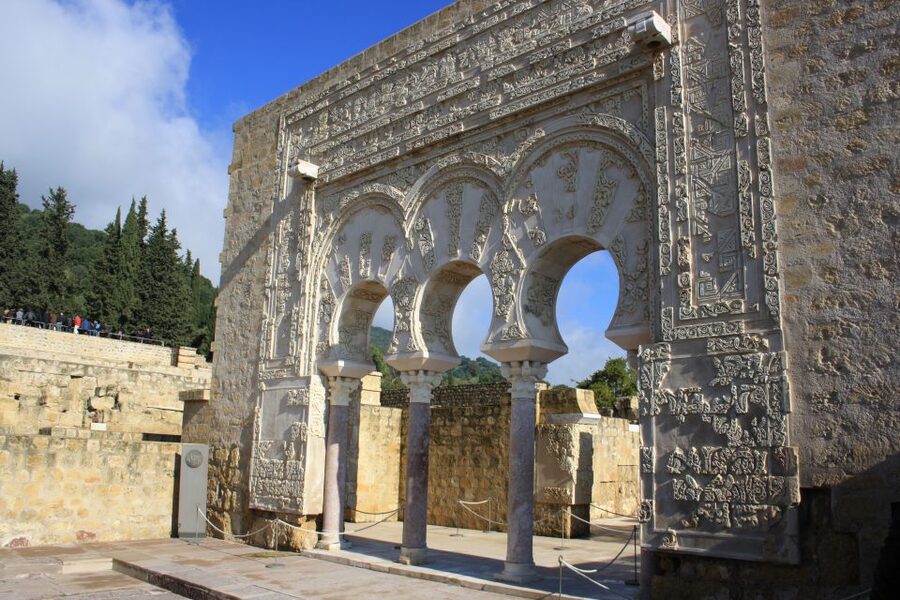
The visit ends with a video showing Medina Azahara as it would have appeared in the 10th century. This is a smart way to finish because the archaeological site itself cannot show you the complete city.
A reconstruction video can help you gather the separate parts of the visit into one mental picture. You have seen the ruins, heard about the city’s role, and examined original pieces. The final presentation gives you a visual sense of what those fragments once belonged to.
It also helps explain why Medina Azahara was called the Shining City. You are not asked to rely only on imagination. The video offers a representation of the city at the height of its importance, after you have already gained the background needed to understand it.
Keep in mind that this is a representation of the 10th-century city, not a surviving view. The value is interpretive. It helps you picture the past, while the ruins and museum provide the physical remains.
Is $18 a fair price?
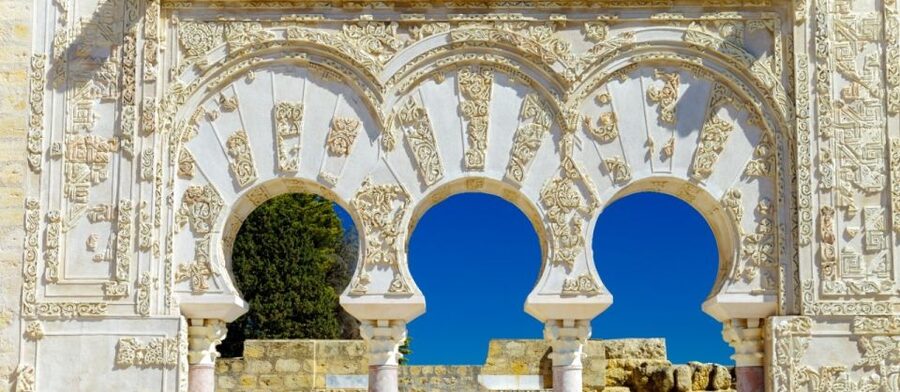
At $18 per person, this is a strong price for a three-hour guided visit, especially if you want the site and museum explained in one outing. The local guide is included, and monument admission with VAT is included for EU citizens.
Transport from Córdoba is included only when you choose the option that provides it. That distinction matters when comparing the price with other plans. If you meet at Medina Azahara, you need to account for your own way to the site.
For EU citizens, the combination of admission and a live guide makes the price easy to justify. You are paying for interpretation as much as entry. The site can be difficult to understand without context, so the guide adds real value.
For non-EU citizens, check the admission terms carefully before booking. The supplied details specify monument admission only for EU citizens, so you should not assume the same entrance inclusion applies to everyone.
The reserve-now-and-pay-later feature is useful if your Córdoba schedule is still shifting. You can hold a place without paying immediately, and free cancellation is available up to 24 hours in advance for a full refund. Those terms reduce the risk of booking ahead, though you should still confirm the exact starting time when checking availability.
Who will enjoy this three-hour tour?
This tour fits you best if you want a compact, guided introduction to Medina Azahara rather than a self-guided visit. It is particularly useful for anyone who wants the historical story explained in Spanish and prefers to combine outdoor ruins with an indoor collection.
It also suits history-minded visitors who have already seen Córdoba’s major central sights and want to understand the city’s role during the caliphate period. The site adds important context to Córdoba’s years of power and helps broaden your view beyond the best-known monuments.
The bus option is a practical choice if you are based in Córdoba and do not want to arrange separate transport. The direct meeting option can work if you already have a way to reach Medina Azahara.
This is not a good fit for anyone with mobility impairments, according to the activity information. The outdoor archaeological setting and walking requirements make comfortable shoes essential. You should also be ready for sun and carry water.
Families and mixed-interest groups can benefit from the museum and video because they add variety to the ruins. Still, the Spanish-only guiding means the tour works best when everyone in your group can follow Spanish.
Practical tips for a smoother visit
Arrive prepared for an outdoor site. Wear comfortable shoes and loose, practical clothing, and bring a sun hat and water. These are not decorative extras. They can make a noticeable difference during a three-hour visit.
Check your meeting point before the day begins. It changes according to the option you choose, and the bus from Córdoba is not part of every booking.
Think about your language level before paying. The live tour guide speaks Spanish, and the experience depends on following the guide’s explanations. If you understand Spanish comfortably, you can get much more from the stories, legends, and details about how the city worked.
Do not plan this as a meal experience. Food and drinks are not included, and no meal is described as part of the visit. Carry water and arrange food separately around the tour schedule.
Finally, leave room in your expectations for ruins. Medina Azahara is valuable because of what the remains reveal about Córdoba’s past, not because every building is standing. The museum and video are important precisely because they help fill in what time has taken away.
Should you book Medina Azahara?
Book it if you want a well-priced, three-hour introduction to one of Córdoba’s most important historical sites and you can follow Spanish. The combination of archaeological remains, more than 160 original museum pieces, and a 10th-century reconstruction video gives the visit a clear beginning, middle, and end.
The biggest reason to choose it is the guide. Carmen and Mamen are associated with explanations that are clear, focused, and full of useful historical detail. Choose the Córdoba bus option if you want the easiest day, and choose the direct site option only if reaching Medina Azahara independently is convenient for you.
Skip it if you need an accessible site, want an English-language tour, or prefer to explore at your own pace. For everyone else, $18 is a sensible way to put Córdoba’s caliphate-era grandeur into context.
FAQ
How long does the Medina Azahara tour last?
The tour lasts three hours.
Is transportation from Córdoba included?
A bus from Córdoba is included if you select the transport option. It is not included with every booking choice.
Can I meet the group directly at Medina Azahara?
Yes. You can meet the group directly at the archaeological site if you select that option.
What language is the guided tour in?
The live tour guide speaks Spanish.
Does the tour include entrance to the monument?
Monument entrance with VAT is included for EU citizens.
Does the visit include the museum?
Yes. The tour includes a visit to the visitor center museum, where you can see more than 160 original pieces from Medina Azahara.
Is food or drink included?
No. Food and drinks are not included. You should bring water.
Is the tour suitable for people with mobility impairments?
No. The activity is not suitable for people with mobility impairments. Comfortable shoes and clothing are recommended.
Just added around Cordoba
- Tapas Tour Cordoba & Wine Experience with chef and sommelier★ 4.8 · 3 reviews
- O75 . The Oliva experience that you deserve★ 5.0 · 3 reviews
- Private Tour of Cordoba Week Days 2 Hours Tickets included★ 5.0 · 3 reviews
- Córdoba: Private Mosque-Cathedral and City Tour★ 5.0 · 3 reviews
- Private Tour: Mezquita-Catedral from Cordoba★ 5.0 · 3 reviews
- Cordoba: Jewish History Private Tour★ 4.0 · 3 reviews
- Cordoba private tour from Seville including the great Mosque for up to 8 persons★ 4.0 · 3 reviews
- Cordoba Highlights: Guided Day Tour from Seville★ 4.5 · 3 reviews
Medina Azahara Tours, compared.

Medina Azahara Museum and Archaeological Site Tour
Read our review →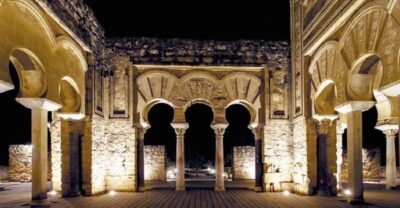
Browse the lists this tour appears in