
Reviewed · MEDINA AZAHARA TOURS
Medina Azahara Guided Tour at Night
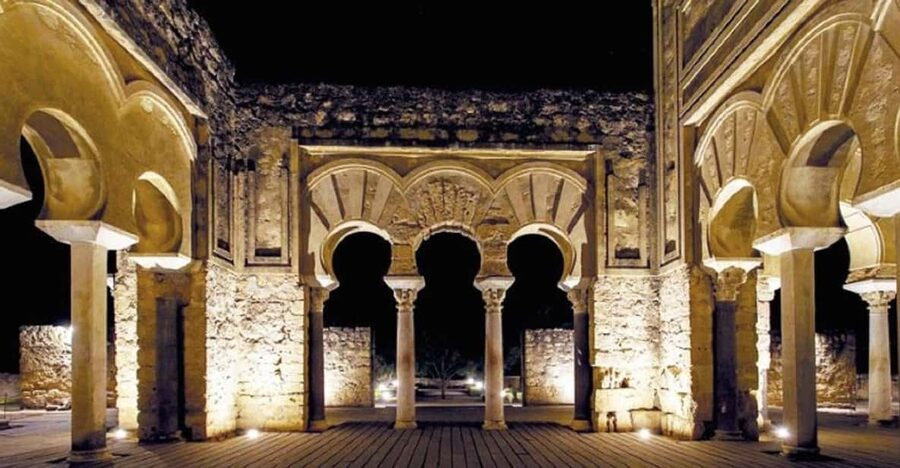
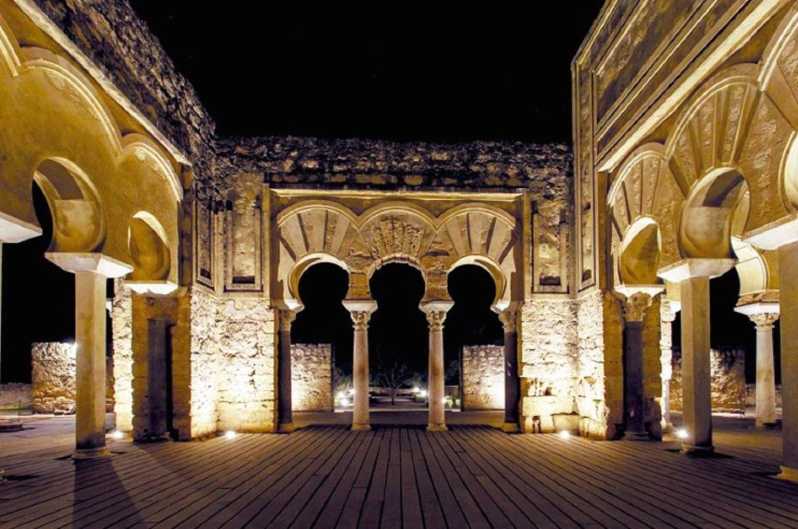
Medina Azahara is most atmospheric after dark, when the former palace-city lies quiet outside Córdoba and the stone catches the last soft light. You walk among the remains of palaces, mosques, and formal gardens while a guide explains how Abd-ar-Rahman III built this place as the center of Umayyad power in al-Andalus.
I like the nighttime setting, which avoids the worst daytime heat and gives the ruins a more mysterious feel. I also like the choice of transport from Córdoba, since getting back from the site after an evening visit can be difficult without a plan.
The main drawback is simple but important: the live guide speaks Spanish. The lighting is also fairly restrained, so this is better for history and atmosphere than for a dramatic, fully illuminated spectacle.
In This Review
- Key points to know before booking
- Why Medina Azahara feels different at night
- From Córdoba to the archaeological site
- What the two-hour walk includes
- Palaces, mosques, and formal gardens
- The Spanish guide is the key to the experience
- Is the night lighting enough?
- What the $17 price really covers
- Who should book this experience?
- Practical advice for a smoother visit
- Should you book the Medina Azahara night tour?
- FAQ
- What language is the tour conducted in?
- How long does the Medina Azahara night tour last?
- Is transportation from Córdoba included?
- Is the bus from the parking area to the entrance included?
- What does the tour price include?
- Can I cancel the tour and receive a refund?
Key points to know before booking
- A Spanish-only guided visit: You need a good level of Spanish to follow the historical explanation.
- A former capital outside Córdoba: Medina Azahara was built by Abd-ar-Rahman III as the political center of al-Andalus.
- Ruins under the evening sky: The setting offers cooler air and a different mood from a daytime visit.
- Two transport choices: You can book round-trip transportation from Córdoba or make your own way to the site.
- A two to two-and-a-half-hour visit: The time allows for a guided walk through the main archaeological remains.
- A modest $17 price: Entrance and the guided tour are included, with transport included only when that option is selected.
Why Medina Azahara feels different at night
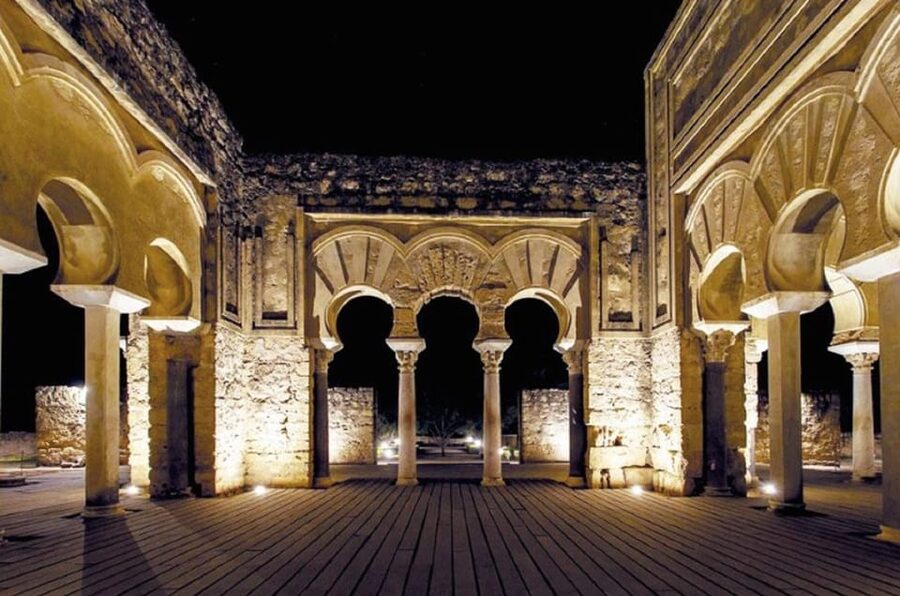
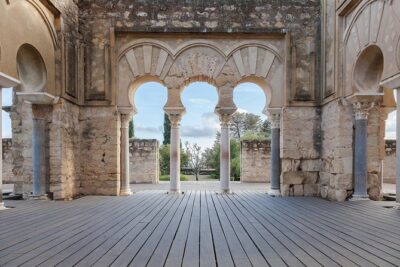
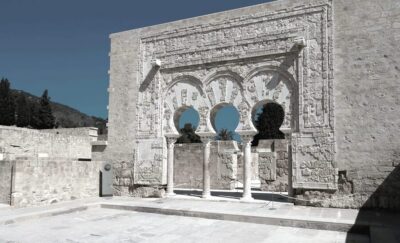
Córdoba already gives you plenty of famous monuments, but Medina Azahara offers a different kind of experience. This is not a restored palace with complete rooms and polished decoration. It is an archaeological site, with foundations, walls, columns, and fragments that ask you to picture the city that once occupied the hillside.
At night, that act of imagination becomes easier. The ruins are separated from the noise of central Córdoba, and the open sky gives the visit a calm, almost theatrical quality. You are not simply ticking off another monument. You are walking through the remains of a city that was built to express the power of the Umayyad caliphate.
The site was created by Abd-ar-Rahman III al-Nasir, the Umayyad Caliph of Córdoba. It became the capital of al-Andalus and flourished for about 80 years during the 10th and 11th centuries. That short period matters. Medina Azahara was not an ancient city that slowly faded over many centuries. Its importance rose quickly, and its decline came within a relatively brief span.
Your guide gives this setting a timeline and a purpose. Without that context, the ruins can look like scattered stonework. With it, you can read the remains as parts of a former seat of government, ceremony, worship, and royal life.
More Medina Azahara trips:
- Córdoba: Medina Azahara 3-Hour Guided Tour
★ 4.6 · 969 reviews - Cordoba: Medina Azahara 3–Hour Guided Tour
★ 4.7 · 472 reviews - Cordoba: Half-Day Medina Azahara Guided Tour
★ 4.6 · 288 reviews
From Córdoba to the archaeological site
You can book the tour with round-trip transportation from Córdoba, or select an option without transport. I would give this choice serious thought before booking, especially if your visit ends at night.
The site sits on the outskirts of Córdoba, not in the walkable center. The evening transport option removes much of the uncertainty and brings you back to the meeting point when the activity ends. The organization of the transport has been a strong part of the experience, but you still need to check the exact meeting point for the option you choose.
If you arrange your own transport, plan the return carefully. Nighttime connections may be difficult, and the tour itself ends back at the meeting point associated with your booking, not necessarily at your hotel. The no-transport option can work well if you already have a car or a firm way to reach and leave the site.
There is one extra detail for independent visitors. The bus lanzadera from the parking area to the main entrance is not included in bookings without the bus from Córdoba. That cost is separate, so check the arrangement before you arrive.
What the two-hour walk includes
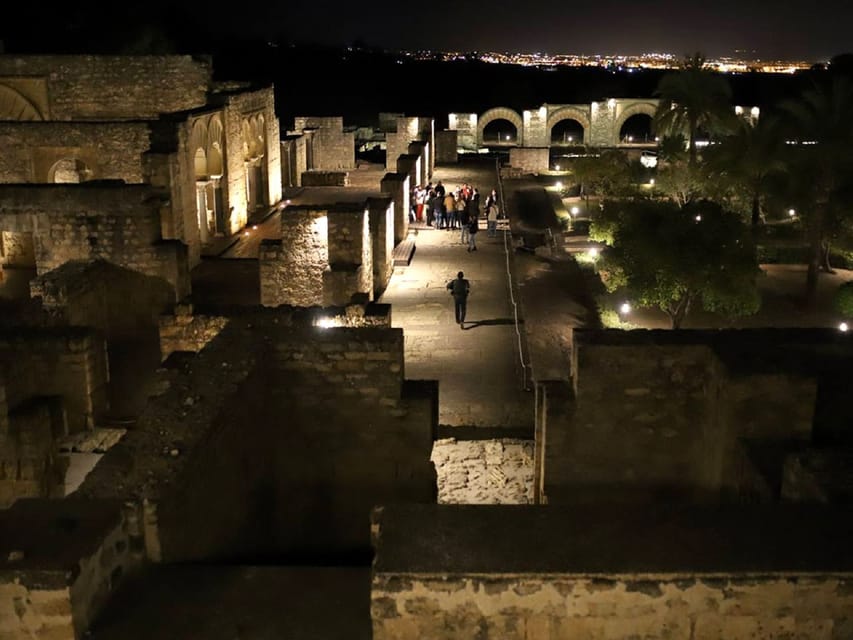
The activity lasts about two to two and a half hours, with starting times varying by date and availability. You meet your guide, enter with the provided ticket, and walk through the archaeological site as the guide explains its role in medieval al-Andalus.
The tour is not built around a long list of separate attractions. Instead, the ruins unfold as one connected picture of the former palace-city. You see remains linked to palaces, mosques, and formal gardens, then hear how those spaces fit into the city’s political and ceremonial life.
The exact order of the walk can vary, so I would not expect a fixed sequence of rooms or exhibits. The value comes from the explanation along the way. A guide can point out what you are seeing and distinguish a palace area from a religious or garden space, something that is not always obvious from the surviving stones alone.
Allow yourself time to look closely. Evening light can make the stone easier to appreciate, but lower light may also make small details harder to see. This is a walking visit, so comfortable shoes are sensible. Food and drinks are not included, and you should not expect a meal stop as part of the activity.
Palaces, mosques, and formal gardens
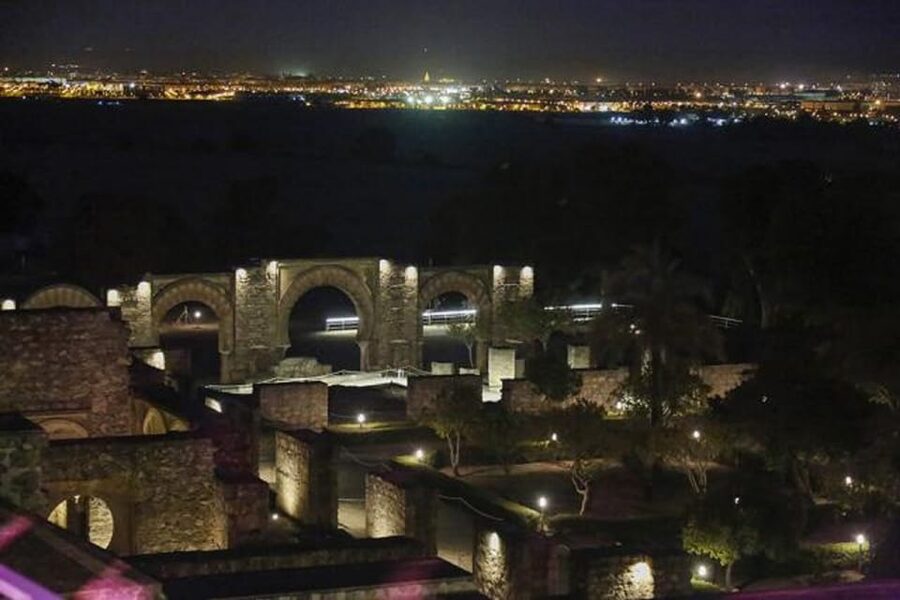
The remains of the palaces are the heart of the visit. Medina Azahara was designed as more than a practical settlement. It was a statement of authority, and the palace areas help you understand how architecture served that purpose.
You see surviving walls and structural traces rather than complete royal interiors. That means the guide’s story matters. The ruins alone cannot show how the city functioned at its height, but the layout and remaining features give you a physical connection to that vanished center of power.
The mosque remains add another layer. Medina Azahara was a political capital and a place shaped by Islamic faith. Seeing the religious remains alongside palace spaces helps you understand that government, ceremony, and worship were closely linked in the city’s design.
The formal gardens offer a change from the heavier stonework. Even in ruin, their planned character points to a carefully ordered royal environment. Look for the relationship between open spaces and the buildings around them. The gardens are not just decorative leftovers. They help show how the city was meant to be experienced by people moving through it.
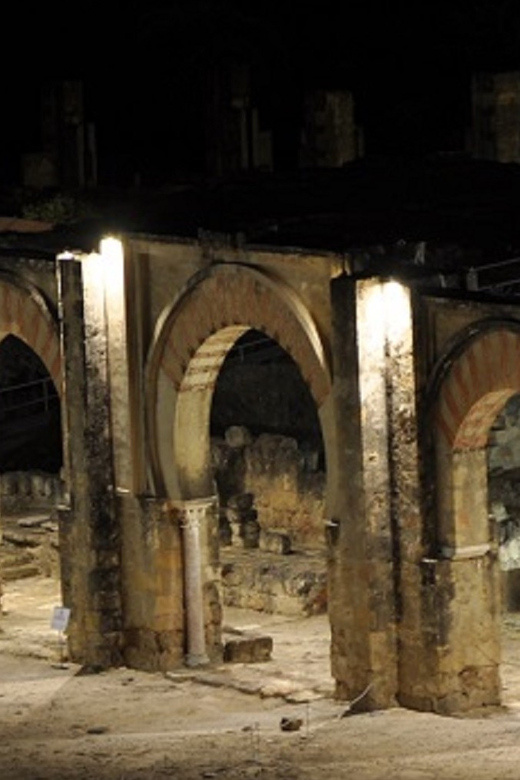
The evening setting works especially well here. Soft light can bring out the warm tones of the stone, and the open air gives the gardens a quiet presence. At the same time, the site is not lit like a major night show. If you want bright architectural lighting and dramatic effects, you may find this visit understated.
A few more Cordoba tours worth comparing
- Córdoba: Local Wine Tasting Evening
★ 4.9 · 234 reviews - Cordoba: Guided Tour of Medina Azahara at Night
★ 4.5 · 92 reviews - Cordoba: Medina Azahara by Night
★ 4.6 · 77 reviews - Evening Wine Tasting Córdoba
★ 5.0 · 73 reviews
The Spanish guide is the key to the experience
The tour includes a live guide in Spanish, and this is the most important booking detail. The guide is there to explain the history and importance of Medina Azahara, not simply to escort you between ruins.
If you understand Spanish comfortably, the tour gives you a fuller experience than walking through the site alone. You can connect the buildings to the rise of Abd-ar-Rahman III, the capital’s role in al-Andalus, and the roughly 80 years in which the city flourished.
If you speak Italian or understand only some Spanish, you might catch parts of the explanation, but you should not count on following every detail. Several visitors have wished for an English or Italian option, and multilingual audio guides would make the visit easier for more people. At present, the stated language is Spanish.
The guide has also been described as kind and sympathetic when a participant had booked without realizing the language limitation. That is a pleasant human touch, but it does not change the central point: check the language before paying.
I would choose this tour for a Spanish speaker, a fluent learner, or someone comfortable enough with Spanish to follow a historical talk while walking. If you need English, this specific tour is probably not the right match.
Is the night lighting enough?
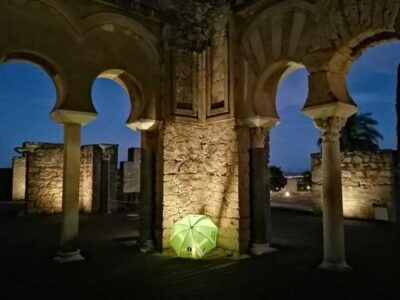
The lighting is gentle rather than theatrical. You can explore the ruins in the evening atmosphere, but the site is not covered in bright illumination designed to create a grand spectacle.
That can be a strength. The dark sky, quiet setting, and soft light leave room for the ruins to feel old and slightly mysterious. The visit is less polished and more contemplative than a staged nighttime monument show.
It can also be a weakness. If your main reason for booking is photography or a dramatic display, the lighting may feel too limited. One useful compromise would be an evening start near sunset, when the stone can glow in the final daylight before darkness settles in. An earlier starting time may offer more visual detail, while a later one gives you more of the night atmosphere.
Check the available start times rather than assuming every departure begins after full darkness. The best timing for you depends on whether you care more about seeing architectural detail or enjoying the night setting.
What the $17 price really covers
At $17 per person, this is a reasonably priced way to visit a major archaeological site with a guide. The entrance ticket and guided tour are included, so you are paying not only for access but also for the historical explanation that makes the ruins easier to understand.
The price becomes better value if you would otherwise need to buy admission and arrange a separate explanation. The transport option adds convenience, though you should check the price of the exact package you select because transportation is not included in every booking choice.
The cost does not cover food or drinks. It also does not include the bus lanzadera from the parking area to the main entrance when you book without transportation from Córdoba. These are small details, but they can affect the final cost and effort of an independent visit.
The tour also offers free cancellation up to 24 hours in advance and a reserve-now, pay-later option. Those terms are useful if your Córdoba plans are still shifting, but check the conditions shown for your chosen date and option before confirming.
Who should book this experience?
I would recommend it most strongly to someone who wants historical context and a quieter alternative to Córdoba’s busy central sights. You get a guided look at a former capital, not just a quick photo stop.
It suits visitors who:
- Speak Spanish or can follow a Spanish historical explanation
- Want to avoid the strongest daytime heat
- Like archaeological ruins more than fully restored monuments
- Prefer a calm evening walk under the open sky
- Want transport organized from Córdoba
- Have around two to two and a half hours available
Families and older visitors should consider the length of the walk and the evening conditions, though the supplied information does not specify accessibility details. If you have mobility concerns, ask the provider before booking rather than assuming the archaeological site will be easy to navigate.
I would be more cautious if your schedule is tight, your Spanish is limited, or you are expecting a brightly lit nighttime performance. In those cases, the tour may not deliver what you want, even though the site itself remains important and atmospheric.
Practical advice for a smoother visit
First, confirm the tour language. The experience is Spanish-language, and this detail is easy to miss when you are comparing activities online. If you need English, do not assume the guide will switch languages.
Next, decide how you will return to Córdoba. The transport option is the simplest choice for most evening visitors. If you book without it, arrange your own transport and account for the separate bus from the parking area to the main entrance.
Wear shoes suited to a two-hour archaeological walk. Bring water if you need it, since food and drinks are not part of the tour. The evening may be cooler than Córdoba’s daytime streets, but no specific weather provision is included, so check the forecast.
Finally, choose your starting time with care. An earlier evening visit may give you more light on the ruins and a chance to see the stone at sunset. A later start should feel more fully nocturnal, but details may be harder to make out.
Should you book the Medina Azahara night tour?
Book it if you want to understand why this ruined palace-city mattered, you can follow Spanish, and you like the idea of walking through historic remains after the heat of the day. The combination of palace ruins, mosque remains, formal gardens, and a quiet evening setting gives the visit a clear sense of place.
Choose the Córdoba transport option unless you already have a reliable plan for the site and the return journey. At $17, the guided entrance is good value, especially for a visitor interested in the history of al-Andalus rather than just the visual effect.
Skip this particular tour if you need English, want dramatic lighting, or prefer a fully restored monument. For the right visitor, though, Medina Azahara at night offers a thoughtful look at Córdoba’s medieval past, with fewer distractions and plenty to picture among the stones.
FAQ
What language is the tour conducted in?
The live guided tour is conducted in Spanish. No English or Italian guide option is listed for this activity.
How long does the Medina Azahara night tour last?
The activity lasts approximately two to two and a half hours. Starting times vary, so check availability for your chosen date.
Is transportation from Córdoba included?
Round-trip transportation from Córdoba is included only when you select the transportation option. If you book without it, you must arrange your own transport.
Is the bus from the parking area to the entrance included?
The bus lanzadera from the parking area to the main entrance is not included when you book the option without transportation from Córdoba.
What does the tour price include?
The tour includes entrance tickets and a guided tour. Round-trip transportation is included only with the appropriate booking option. Food and drinks are not included.
Can I cancel the tour and receive a refund?
You can cancel up to 24 hours in advance for a full refund. The activity also offers a reserve-now, pay-later option.
Just added around Cordoba
- Tapas Tour Cordoba & Wine Experience with chef and sommelier★ 4.8 · 3 reviews
- O75 . The Oliva experience that you deserve★ 5.0 · 3 reviews
- Private Tour of Cordoba Week Days 2 Hours Tickets included★ 5.0 · 3 reviews
- Córdoba: Private Mosque-Cathedral and City Tour★ 5.0 · 3 reviews
- Private Tour: Mezquita-Catedral from Cordoba★ 5.0 · 3 reviews
- Cordoba: Jewish History Private Tour★ 4.0 · 3 reviews
- Cordoba private tour from Seville including the great Mosque for up to 8 persons★ 4.0 · 3 reviews
- Cordoba Highlights: Guided Day Tour from Seville★ 4.5 · 3 reviews
Medina Azahara Tours, compared.

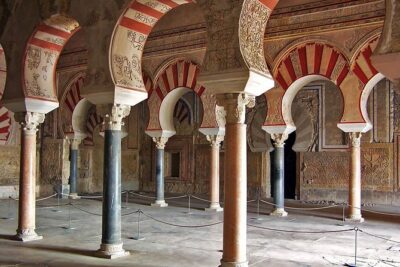
Medina Azahara Museum and Archaeological Site Tour
Read our review →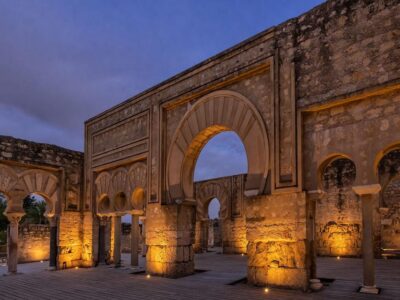
Browse the lists this tour appears in