
Reviewed · FOOD & DRINK
Extra Virgin Olive oil tasting
Córdoba’s olive oil is not a side note to its food culture. It is one of the reasons Andalusian cooking tastes so good. This 75-minute tasting takes you from the Corredera market to a small tasting room, where you compare oils from Córdoba with bread, coffee, and clear guidance on what your nose and palate are noticing. I like the market start and the old-style desayuno molinero, a simple breakfast of bread and olive oil.
I also like the personal feel. Guides such as Barbara, Adrian, Gloria, and Mara have explained everything from olive varieties to family production stories, with plenty of room for questions. The main consideration is that this is an indoor tasting rather than a visit to an olive grove or mill, and the meeting point and tasting room are not suitable for wheelchair users.
In This Review
- Key points at a glance
- Why Córdoba is the right place for an olive oil tasting
- Meeting beneath the Corredera market clock
- The tasting room and the desayuno molinero
- Six oils, several olive varieties
- From olive tree to bottle
- The guides make the difference
- What the $15 price buys you
- Who should book this experience
- Practical details before you go
- Should you book the Córdoba olive oil tasting?
- FAQ
- Where does the olive oil tasting meet?
- How long does the experience last?
- How many olive oils will I taste?
- What olive varieties are discussed?
- Is breakfast included?
- Is the activity offered in English?
- Is the tasting suitable for wheelchair users?
- How much does the tasting cost?
- Can I buy olive oil after the tasting?
Key points at a glance
- Compare six Córdoba oils: Taste several extra virgin olive oils side by side, with some sessions offering seven.
- Begin at the Corredera market: Get an introduction to local foods before heading to the tasting room.
- Learn the main varieties: Picual, Arbequina, Picudo, and Hojiblanca each bring different smells, flavors, and levels of bitterness.
- Try a traditional breakfast: Bread from the local area, olive oil, coffee, and tea make this more than a stand-up sample.
- Buy what you like: An on-site shop lets you take home a bottle at a favorable price.
- Good value at $15: The price covers the tasting, bread, and hot drinks in a 75-minute session.
Why Córdoba is the right place for an olive oil tasting
Córdoba is a major olive oil-producing area, so this experience gives you a useful local lens on a product you will see everywhere in Andalusia. Olive oil is not simply poured over a plate here. It is used for breakfast, cooking, dipping, dressings, and preserving food.
The tasting also helps you separate extra virgin olive oil from ordinary supermarket oil. You learn that labels and production standards matter, but the most useful lesson comes when you taste several oils in sequence. One may smell grassy and fresh. Another may seem softer and fruitier. A third may bring a peppery finish at the back of your throat.
That peppery sensation is not a flaw. It can be part of the character of a fresh extra virgin oil. Your guide explains these differences without turning the session into a technical lecture, which is important if you are new to olive oil tasting.
More Food Tours in Cordoba
- Córdoba: Local Wine Tasting Evening
★ 4.9 · 234 reviews - Private Tasting of Olive Oil in Córdoba
★ 5.0 · 93 reviews - Olive Oil tasting breakfast & Tour in Cordoba
★ 4.5 · 84 reviews
Meeting beneath the Corredera market clock
The meeting point is easy to identify: look for the big clock beneath the main entrance to the market in Plaza de la Corredera. This matters because the first part of the experience may include a short walk through the market before you sit down to taste.
The market gives the lesson a practical setting. You may look at local food products, compare everyday and premium versions, and hear how items are used in Córdoba cooking. One guide also took the group to choose bread at a bakery before the tasting, while another session included advice on recipes and local produce.
Do not expect a full market tour with a long list of stops. The market visit is an introduction, not the main event. Its value is that you begin to see olive oil as part of a wider food tradition rather than as an isolated product in a tasting room.
Arrive ready to walk a little and keep your eyes open for the clock. The meeting instructions are simple, but the market can be a busy place, and the guide needs to gather the group before moving on.
The tasting room and the desayuno molinero

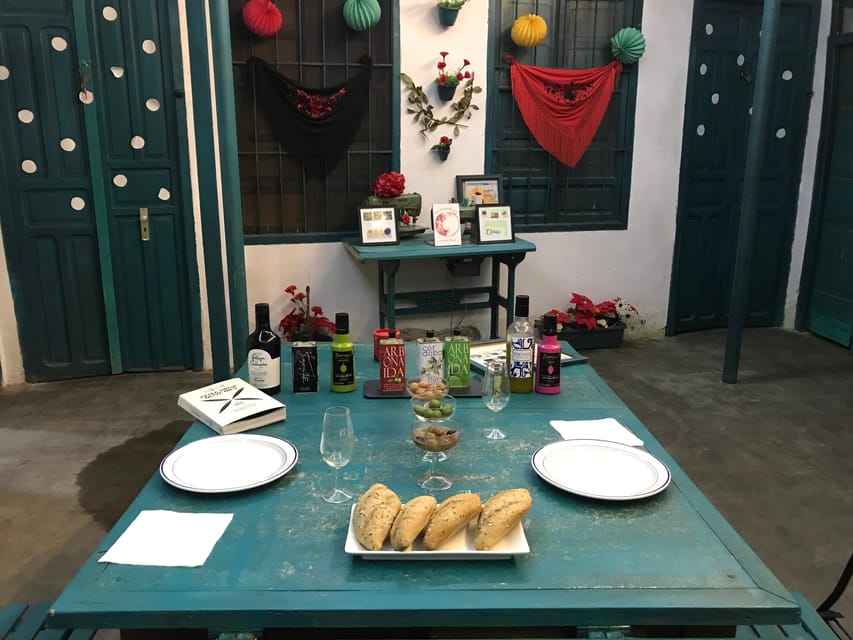
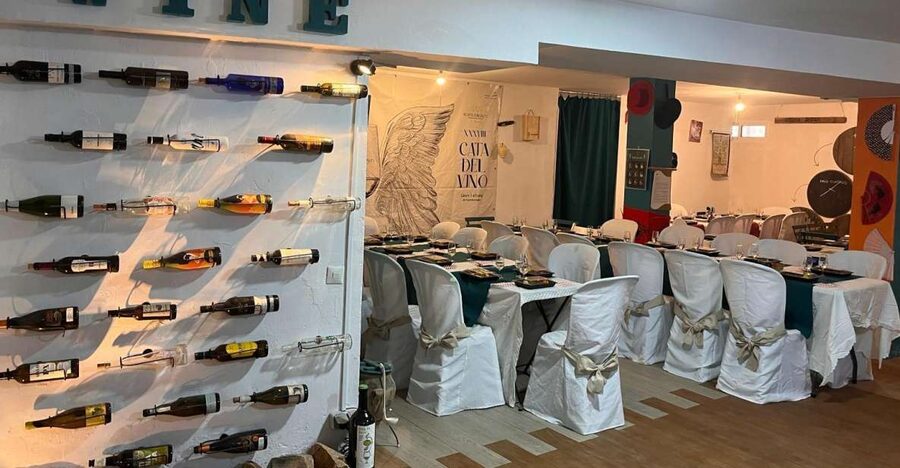
The tasting takes place in a small room, described in one session as a cool, comfortable basement studio and in another as a welcoming little wine shop. That setting suits the activity. You are close to the guide, the bottles, the bread, and the other tasters, so questions are easy.
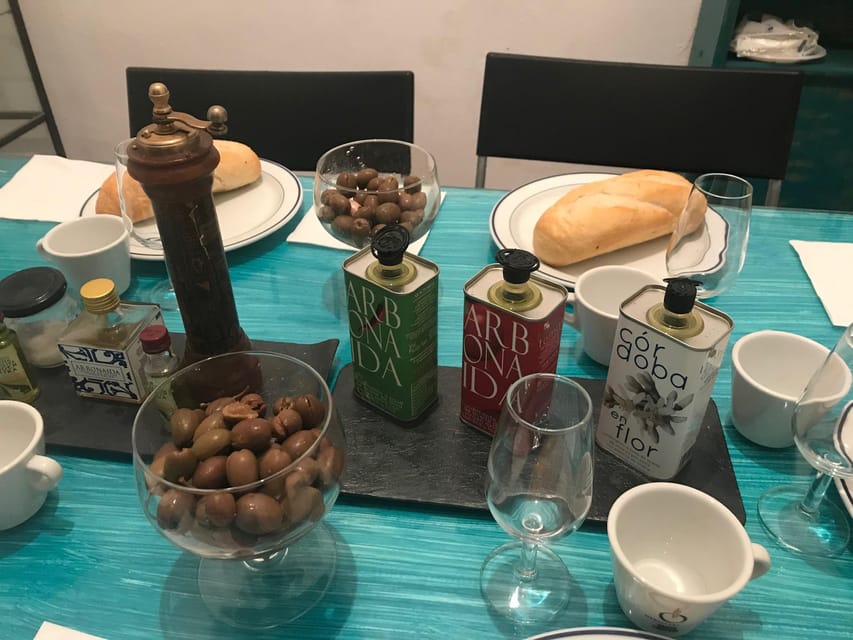
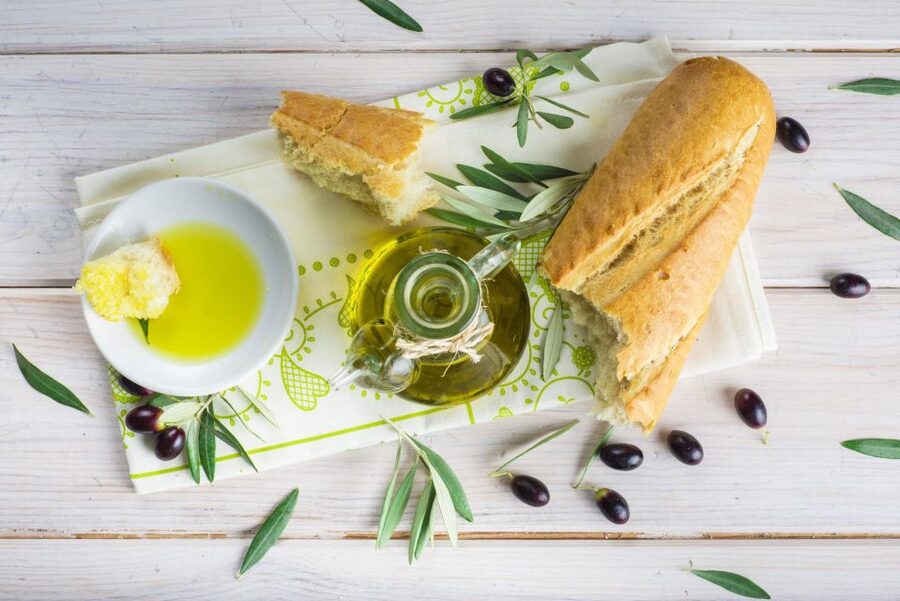
The central food is the desayuno molinero, or miller’s breakfast. It is an old-fashioned Andalusian way to start the day, built around bread and olive oil. Here, bread for the tasting is included, along with coffee and tea. A local Arabic coffee producer supplies the coffee, adding another Córdoba food connection to the meal.
The breakfast is plain, but that is the point. Bread gives each oil a neutral partner and lets you notice the oil’s character without a complicated dish getting in the way. You may also hear about the traditional olive sandwich, which one session included as a particularly good extra taste.
This is not a large buffet. Think of it as a guided food lesson with breakfast-sized portions. If you need a substantial morning meal, you may want to eat something else before or after. For most people, the bread and oil make the tasting more satisfying than sampling oil from tiny cups alone.
Six oils, several olive varieties
You taste six extra virgin olive oils from Córdoba. One account of the experience included seven oils, so the exact number may vary, but six is the stated offering. The important part is the comparison: you do not taste one bottle and receive a sales pitch. You taste different oils and learn why they do not all taste alike.
The varieties covered include:
- Picual: Often associated with a stronger, more assertive style.
- Arbequina: Commonly linked with a gentler, fruitier profile.
- Picudo: A local variety with its own flavor character.
- Hojiblanca: Another important Andalusian variety, useful for seeing how one region can produce very different oils.
The guide explains the olives used in each bottle, where they are grown, and how harvesting and processing affect the final taste. You may be asked to notice fruitiness, bitterness, aroma, and the peppery finish. Even if you forget the technical terms, you leave with a better idea of what you enjoy.
A useful tip is to taste in the order the guide suggests. Stronger oils can make a mild one seem bland if you sample them first. Water and coffee help clear your palate between samples, and the bread gives you a familiar way to taste each oil.
A completely different day out from Cordoba:
- Córdoba: Skip-the-Ticket-Line Mosque-Cathedral Guided Tour
★ 4.6 · 9,634 reviews - Cordoba Mosque-Cathedral: Skip-the-Line Guided Tour
★ 4.7 · 6,610 reviews - Córdoba: Jewish Quarter, Mosque, and Alcázar Tour
★ 4.7 · 4,279 reviews - Cordoba: Equestrian Show General Entry
★ 4.5 · 2,333 reviews
From olive tree to bottle
The production lesson follows the full path from tree to finished product. You learn about olive varieties, harvesting, pressing, processing, and the standards behind extra virgin olive oil. This is where the session earns its place on a Córdoba itinerary.
The guide does not only discuss machinery or labels. You hear about local habits and the older ways people consumed olive oil. One guide shared family stories connected with olive oil making since the 1700s, giving the subject a strong personal link to Córdoba’s rural life.
That family connection can make the information more memorable, but it also means the experience may feel slightly different depending on who leads your session. Barbara has been praised for explaining both the oil and Córdoba’s food culture. Adrian has brought a strong interest in local gastronomy. Gloria and Mara have also been described as warm, engaging guides who encouraged questions and discussion.
The presentation is best for curious beginners and food lovers rather than professional tasters. You will learn enough to shop with more confidence, but you are not signing up for a formal certification class.
The guides make the difference
The most important part of a small tasting is the guide. Oil alone cannot carry 75 minutes. You need someone who can explain why the samples differ, keep the pace moving, and make beginners comfortable about saying what they smell or taste.
This experience has used several guides, including Barbara, Adrian, Gloria, and Mara. Barbara has a family connection to olive oil production and has helped groups connect the tasting with the market, local bread, and Córdoba’s past. Adrian has focused on gastronomy and the production process. Gloria has been praised for linking the oils to the olive plantations of the region, while Mara has been described as especially good at explaining and engaging in discussion.
You should not book expecting one particular guide unless the booking system confirms that person. Still, the repeated pattern is clear: the activity depends on a friendly, passionate host rather than a scripted presentation.
The tone is light. The promise of finishing with a smile is not a reason alone to book, but it fits the format. You get facts, tasting practice, and a bit of conversation rather than a dry classroom lecture.
What the $15 price buys you
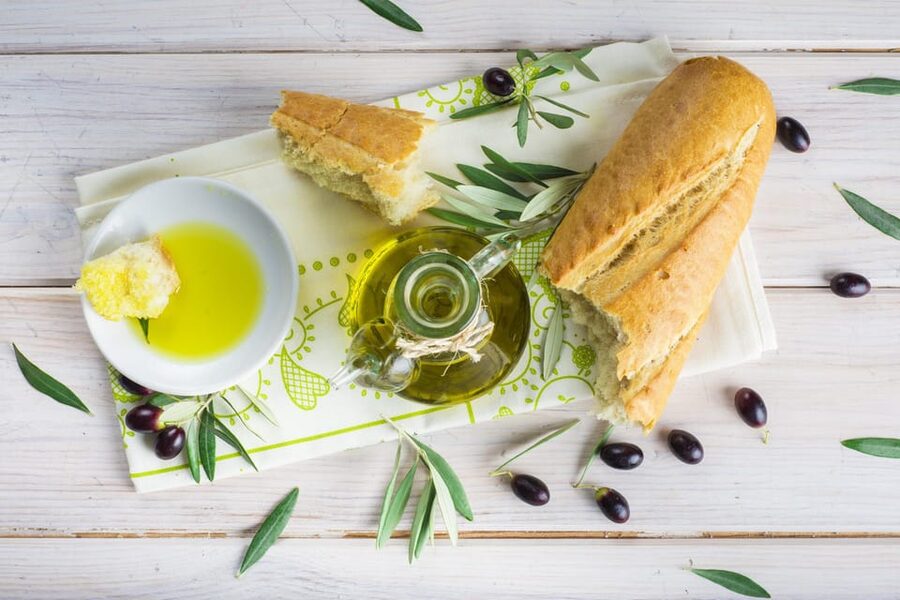
At $15 per person, this is one of the easier Córdoba food experiences to fit into a day. The price includes six olive oils, bread for the desayuno molinero, coffee, and tea. You also get the guide’s explanation of production, varieties, tasting terms, and local customs.
The value is strongest if you are likely to buy olive oil during your trip. A short tasting can prevent a poor purchase and help you choose between a mild oil for general cooking and a stronger oil for bread, salads, or finishing a dish. You can buy bottles in the on-site shop after tasting, so there is no need to search for a specialty store immediately afterward.
You should keep one limit in mind. The $15 price does not represent a farm visit, transport, a full meal, or a tour of an operating mill. If you want to walk among olive trees or watch pressing machinery, you need a different kind of outing.
For a compact food activity in central Córdoba, though, the price is fair. The combination of education, breakfast, and several samples gives you more substance than a quick retail tasting.
Who should book this experience
I would recommend it to anyone who already enjoys olive oil, as well as anyone who wants a low-cost introduction to Andalusian food. It works especially well early in a Córdoba visit, because you begin to recognize the oil, bread, olives, and market products you will see in restaurants and shops afterward.
It also suits couples, families with older children, and small groups who prefer conversation over a large organized tour. The small, personal format makes it easier to ask about cooking, storage, labels, and local buying habits.
You may want to skip it if you dislike tasting foods with noticeable bitterness or peppery heat. You should also choose another activity if accessibility is essential, since the experience is not suitable for wheelchair users.
The session is offered in Spanish and English. At 75 minutes, it is short enough to fit between visits to Córdoba’s historic sights, yet long enough to give the tasting some context.
Practical details before you go
You can cancel up to 24 hours before the activity for a full refund, and the reserve-now, pay-later option keeps your plans flexible. Starting times vary, so check availability for your date.
Meet beneath the big clock at the main entrance to the Corredera market. Wear shoes suitable for a short walk through the market and keep your schedule loose enough to allow the full 75 minutes.
The tasting room is indoors and has been described as cool and comfortable. If you are sensitive to coffee or have dietary needs, ask the guide at the start about the included bread, drinks, and tasting format. The supplied information confirms bread, coffee, and tea, but does not list other dietary substitutions.
Should you book the Córdoba olive oil tasting?
Book it if you want a friendly, affordable introduction to the product that shapes much of Andalusian cooking. The six-oil comparison, traditional breakfast, and market setting give the experience a clear local purpose, while guides such as Barbara and Adrian add personal stories and practical advice.
Do not book it expecting a countryside excursion or a full meal. For those limits, the activity delivers plenty in 75 minutes. At $15, it is a smart choice for food lovers, shoppers, and anyone who wants to return home with a better bottle of Córdoba olive oil.
FAQ
Where does the olive oil tasting meet?
Meet beneath the big clock at the main entrance to the Corredera market in Córdoba.
How long does the experience last?
The stated duration is 75 minutes. One session lasted about an hour and a half, so allow a little flexibility around the listed time.
How many olive oils will I taste?
Six olive oils from Córdoba are included. Some sessions have offered seven oils, so the exact number may vary.
What olive varieties are discussed?
The experience covers Picual, Arbequina, Picudo, and Hojiblanca varieties.
Is breakfast included?
Yes. Bread for the traditional desayuno molinero is included, along with coffee and tea.
Is the activity offered in English?
Yes. The guide can lead the experience in English or Spanish.
Is the tasting suitable for wheelchair users?
No. The activity is listed as unsuitable for wheelchair users.
How much does the tasting cost?
The price is $15 per person.
Can I buy olive oil after the tasting?
Yes. An on-site shop offers the oils you taste, so you can buy bottles for yourself, friends, or family.
Just added around Cordoba
- Tapas Tour Cordoba & Wine Experience with chef and sommelier★ 4.8 · 3 reviews
- O75 . The Oliva experience that you deserve★ 5.0 · 3 reviews
- Private Tour of Cordoba Week Days 2 Hours Tickets included★ 5.0 · 3 reviews
- Córdoba: Private Mosque-Cathedral and City Tour★ 5.0 · 3 reviews
- Private Tour: Mezquita-Catedral from Cordoba★ 5.0 · 3 reviews
- Cordoba: Jewish History Private Tour★ 4.0 · 3 reviews
- Cordoba private tour from Seville including the great Mosque for up to 8 persons★ 4.0 · 3 reviews
- Cordoba Highlights: Guided Day Tour from Seville★ 4.5 · 3 reviews
Food & Drink, compared.
Sevilla Food Tour: Tapas, Wine, History & Traditions
Read our review →
The Seville Tapas Crawl Tour by Food Lover Tour
Read our review →
Bodegas Fundador Guided Tour with Tasting Session
Read our review →
Seville Food Tour: Vermut, Churros & 10+ Tasty Local Dishes
Read our review →
Flavors of Andalucía Guided Food Tour with Tastings
Read our review →
Browse the lists this tour appears in