
Reviewed · FOOD & DRINK
Olive Oil tasting breakfast & Tour in Cordoba
Córdoba’s olive-oil culture comes into focus over a simple morning tasting. You begin near Plaza de la Corredera, visit the small Mercado de la Corredera, then sit down with an olive-growing guide to compare olives and oils from Córdoba. The lesson is practical: how varieties differ, how olives are picked and processed, and how to taste oil properly.
I like the small groups, limited to 10, and the personal setting. I also like the local angle: guides such as Bárbara and Mara connect the oils to family farming, Andalusian food, and everyday life. The main caution is the word breakfast. This is usually bread, oil, olives, and coffee or tea, not a full meal, so eat something beforehand if you need substantial food.
In This Review
- Key points to know before booking
- Why Córdoba is the right place for an olive-oil lesson
- Meeting at Plaza de la Corredera and the local market
- Comparing three olive varieties before breakfast
- The Desayuno Molinero, a simple mill worker’s meal
- Tasting Córdoba’s oils, from mild to peppery
- A personal setting rather than a polished tasting bar
- How much value do you get for $25.34?
- Who should book this Córdoba food experience?
- Timing, meeting details, and cancellations
- Should you book the olive oil breakfast tour?
- FAQ
- Where does the olive oil tour begin?
- How long does the experience last?
- What is included in the Miller-style breakfast?
- How many olive oils will I taste?
- Is the tour offered in English?
- Is the tour suitable for most people?
- What is the cancellation policy?
Key points to know before booking
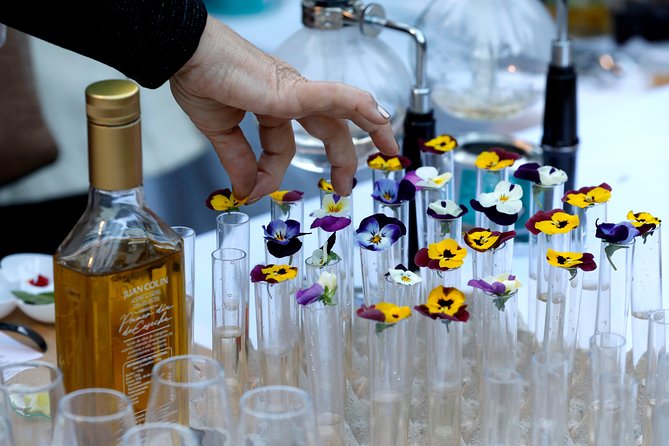
- Five or more olive oils may be tasted, ranging from mild and fruity to stronger, peppery styles, with some infused oils included on certain departures.
- The market visit is brief and modest, with the amount to see depending on which stalls are open.
- Desayuno Molinero means a worker’s break from the mill, traditionally bread dipped in olive oil with olives and a drink.
- The tasting room is on Calle Carlos Rubio 11, behind the black door on the right, and the tour returns there.
- The experience lasts about 1 hour and 15 minutes and is offered in English with a mobile ticket.
- The price is about $25.34 per person, a fair amount for a small-group food lesson, but not if you expect a full breakfast or a long market tour.
Why Córdoba is the right place for an olive-oil lesson
Córdoba sits in Andalusia, a part of Spain where olive oil is not an occasional finishing touch. It is part of the daily table, used with bread, vegetables, meat, cheese, and many other foods. That makes this experience more useful than a simple sampling session because the guide can explain how oil fits into local habits.
The lesson also corrects a common mistake. Olive oil is not one single flavor. Just as tomatoes come in many types, olives come from different varieties, and each can produce a different oil. The final taste depends on the olive, when it was picked, and how it was handled.
I find that idea especially helpful if you are buying oil in Spain. A bottle labeled extra virgin tells you something about quality, but not necessarily whether it will taste gentle and fruity or sharp and peppery. Tasting several oils side by side gives you a better sense of what you actually like.
The experience is rated 4.7 out of 5, with 90 percent of customers recommending it. That lines up with its strongest feature: a warm guide who can turn a small subject into a lively conversation. It is less polished than a formal food museum or specialist shop, but it feels closer to a local introduction.
More Food Tours in Cordoba
- Córdoba: Local Wine Tasting Evening
★ 4.9 · 234 reviews - Private Tasting of Olive Oil in Córdoba
★ 5.0 · 93 reviews - Extra Virgin Olive oil tasting
★ 4.9 · 79 reviews
Meeting at Plaza de la Corredera and the local market
The published meeting address is Things to Do Córdoba, Calle Carlos Rubio 11, local, in the Centro area. The detailed instructions say to meet directly at the tasting room, at number 11, through the black door on the right. The itinerary also lists Plaza de la Corredera and Mercado de la Corredera as the first stops, so check the precise meeting instructions on your booking confirmation.
Some departures begin with the guide meeting you near the plaza clock and then walking through the market. This short walk gives you a look at local food shopping and a chance to hear about typical Córdoban produce, breads, olives, and neighborhood shops. It is not a large market hall. The market is small, and on some mornings only a few stalls may be open.
That limitation matters. If you are expecting the scale of a famous city market, you may find this stop underwhelming. Its value is not in the number of stalls. It is in having Bárbara, Mara, or another guide point out foods and explain how local people use them.
Market hours can also affect the experience. The market has been closed on some occasions, with the guide replacing the visit with a walk through the area and local commentary. I would treat the market as a useful extra, not the main reason to book.
Comparing three olive varieties before breakfast
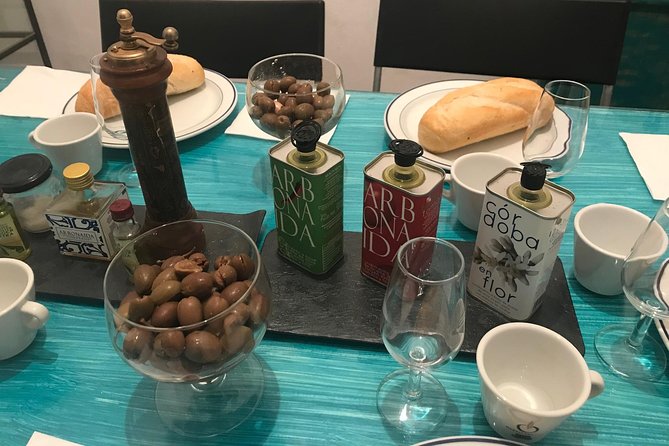
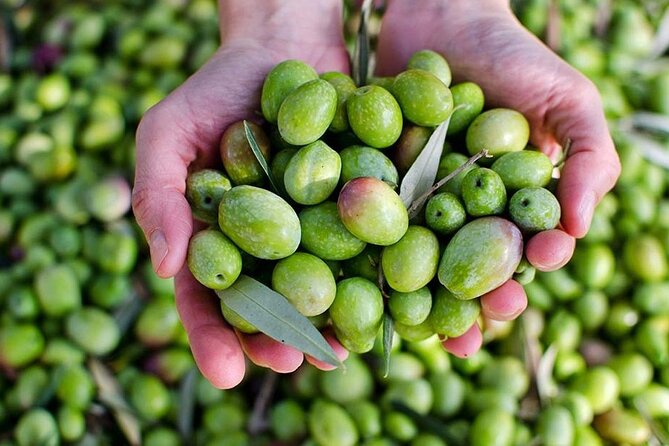
The first tasting centers on three varieties of olives. You get to notice differences in shape, texture, taste, and intensity before moving on to the oils. This is a good teaching order. It connects the fruit you can see with the oil that comes from it.
Your guide explains the olive-growing process, including the types of trees, when olives are picked, and how they are processed. Guides from olive-producing families, including Bárbara and Mara, have a direct connection to this work. Their talks also include the practical side of buying and using oil, not just agricultural facts.
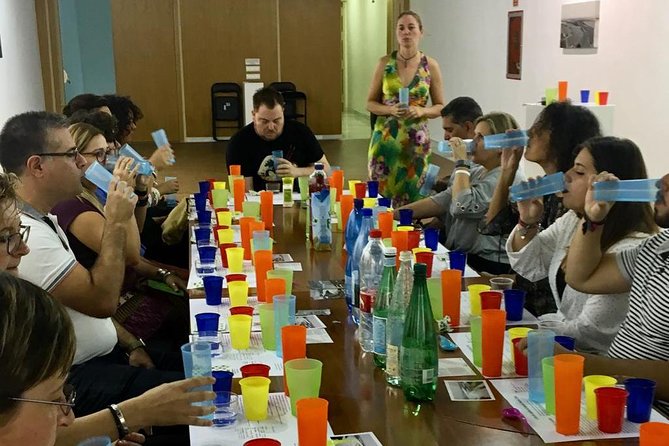
The format is conversational. You can ask questions as you go, which helps if you want to know about cooking, storage, flavor, or pairings. The strongest part of the session is the guide’s ability to explain why two oils can taste so different even though both come from the same basic fruit.
The Desayuno Molinero, a simple mill worker’s meal
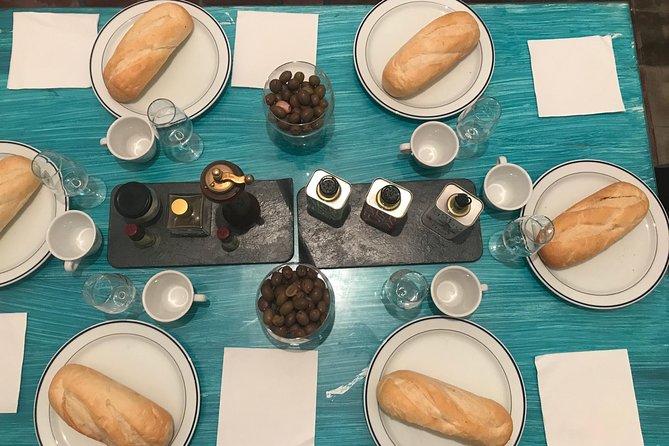
The breakfast is called a Desayuno Molinero, or Miller-style breakfast. It refers to an old workers’ break during olive and oil production. The idea was simple: pause from the work, eat bread with oil, and have a drink.
In practice, you can expect bread, olive oil, table olives, and coffee or tea. Some tastings include water, and one account mentions a small serving of dessert wine or sherry at the end. The starter is listed as Arbequina oil, a variety known here through the oil rather than as a separate cooked dish.
This is the point where expectations matter most. A freshly baked baguette or roll can be excellent, and bread is a natural way to enjoy oil. Still, it is not a plated breakfast with eggs, fruit, or a full spread. One portion may leave you hungry, especially if you skipped your normal morning meal.
I recommend eating lightly before you arrive. That lets you enjoy the tasting without depending on it for medication, dietary needs, or a full start to the day. If you want to continue eating afterward, the guide may point you back toward the market, where you can buy cheese, meat, or other local foods.
The use of bread is also not the best method for serious oil analysis. Bread softens the sharper flavors and can make it harder to identify subtle notes. The tasting is designed for pleasure and introduction, not as a professional certification class. If you want to assess oil carefully, ask to taste some plain before dipping bread.
A completely different day out from Cordoba:
- Córdoba: Skip-the-Ticket-Line Mosque-Cathedral Guided Tour
★ 4.6 · 9,634 reviews - Cordoba Mosque-Cathedral: Skip-the-Line Guided Tour
★ 4.7 · 6,610 reviews - Córdoba: Jewish Quarter, Mosque, and Alcázar Tour
★ 4.7 · 4,279 reviews - Cordoba: Equestrian Show General Entry
★ 4.5 · 2,333 reviews
Tasting Córdoba’s oils, from mild to peppery
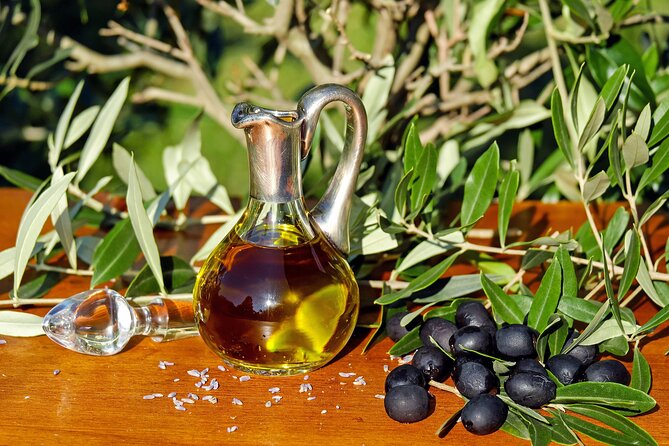
After the olives and breakfast, you taste oils from different varieties grown around Córdoba. Several accounts describe five oils, moving from mild and fruity to stronger styles. Some sessions also include three infused oils, along with a small sweet wine or dessert wine.
That range gives the hour its purpose. A mild oil may feel soft and rounded, while a stronger oil can leave a peppery sensation in the throat. Neither is automatically better. The right choice depends on how you plan to use it.
Your guide explains how to taste, what to notice, and how flavors work with food. You might compare the oils with bread, olives, honey, or other local products. Pairing is useful because an oil that seems too forceful on its own might be excellent with tomatoes, grilled vegetables, meat, or a hard cheese.
I would ask questions as soon as you notice a difference. The experience is short, and the small format makes it easy to keep the discussion focused on your interests. If you cook often, ask which oil is best for finishing a dish. If you are buying a souvenir, ask which bottles match the flavors you prefer.
You can purchase oil after the tasting. Shipping home is not provided, so you will need to carry any bottles yourself and follow your airline’s packing rules. The chance to buy directly is useful, but do not feel pressure to purchase. The tasting works even if you only want to learn.
A personal setting rather than a polished tasting bar
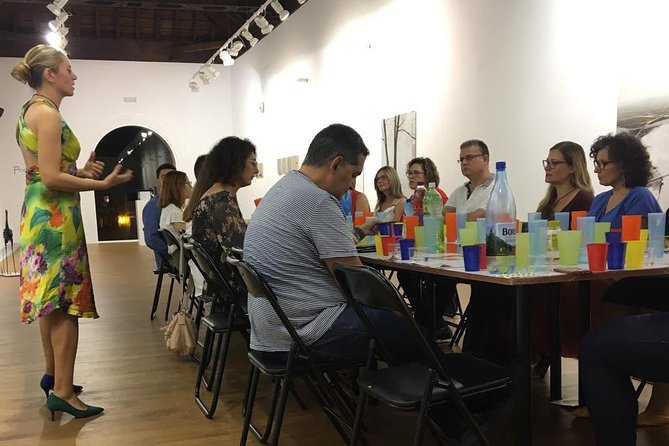
The tasting takes place in a private lower-level room or apartment-style space. Other departures have used a rooftop or a small home setting. This gives the activity a friendly, personal feel, but it is not a glossy culinary studio.
The room may look plain and can need some tidying or updating. If you care more about atmosphere than instruction, this could be a drawback. I see the setting differently: the appeal is meeting someone connected to olive growing and hearing the story in a lived-in place.
The experience can be especially small. A booking may have only two people, while the maximum is 10. A group of six is large enough for conversation but still intimate. Small numbers also matter if you are traveling alone. The activity is scheduled to operate with a single participant in at least one case, rather than automatically being canceled.
Guide quality is central here. Bárbara is described as warm, sincere, and helpful, with useful Spanish phrases mixed into the conversation. Mara is noted for her energy and family background in olive oil and wine. José is also associated with the experience and is described as offering lesser-known stories about Córdoba. The guide you receive can shape the tone, but the common thread is a personal presentation rather than a scripted lecture.
How much value do you get for $25.34?
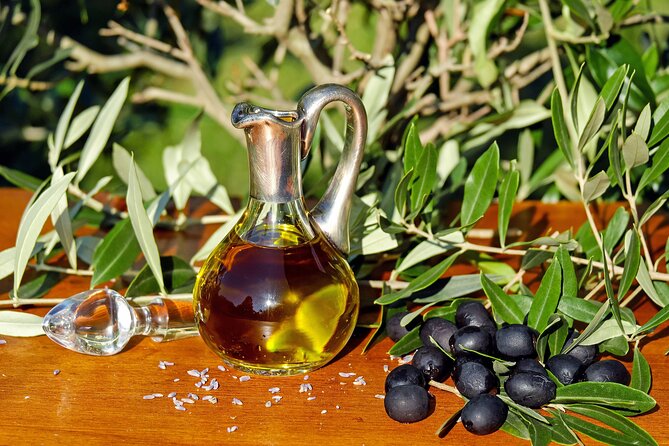
At about $25.34 per person, this is inexpensive for a 75-minute English-language activity in central Córdoba. The price covers the market connection, guide-led explanation, olives, several oil samples, bread, and coffee or tea. For a small group, the cost is reasonable.
The value is strongest if you are curious about Spanish food and want a short activity between visits to Córdoba’s major sights. It gives you something you cannot get from simply ordering olive oil at a restaurant: a side-by-side comparison and an explanation of how the product is made.
The value is weaker if you are booking it mainly for breakfast. A coffee, some olives, bread, and oil do not replace a substantial meal. It is also not the best choice if you already know olive oil well and want a technical tasting with detailed production data, controlled sampling, or a large range of oils.
For most first-time tasters, I think the price works. You are paying for the guide’s explanation and local connection as much as for the food. Just keep your expectations aligned with a casual introduction.
Who should book this Córdoba food experience?
I would recommend it to anyone who enjoys local food, especially if olive oil is still a mystery. You do not need prior knowledge. The guide starts with basic comparisons and explains the process in plain terms.
It suits solo visitors, couples, and small groups. Since the maximum is 10, you have a better chance of asking questions than on a large coach excursion. Families can participate, and service animals are allowed. The activity is near public transportation, and most people can take part.
It also works well as a change from Córdoba’s usual architecture and museum schedule. After days of courtyards, churches, and Roman remains, a morning centered on bread, olives, and oil gives you a different view of Andalusian life.
I would not choose it if you need a guaranteed full meal, a grand market, or a refined tasting room. I would also avoid skipping breakfast before it. The simple meal is part of the lesson, not a restaurant service.
Timing, meeting details, and cancellations
Plan on about 1 hour and 15 minutes, with the activity ending back at the meeting point. The start time may be given as 11 a.m. for some departures, but confirm your own booking time. One customer had the start moved 30 minutes earlier, so it is wise to check messages before setting out.
Bring your mobile ticket and arrive at Calle Carlos Rubio 11. Look for the black door on the right. Because the route includes the plaza and market, wear shoes suitable for a short city walk.
Confirmation is provided when you book. Free cancellation is available up to 24 hours before the start time for a full refund. Changes or cancellations inside that 24-hour window are not accepted for a refund. Poor weather or failure to meet the minimum number can cancel the activity, in which case you are offered another date or a full refund.
Should you book the olive oil breakfast tour?
Book it if you want a short, friendly lesson tied to Córdoba’s food traditions. The best reasons are the small group, the chance to compare several oils, and the guides’ personal connection to olive growing. You will leave with a clearer idea of how olive varieties shape flavor and how locals use oil with simple food.
Skip it if the phrase breakfast sets a firm expectation of a full meal, or if you want an advanced tasting in a polished specialist shop. For the best experience, eat something beforehand, arrive at the correct door, and treat the market as a brief local stop rather than a major attraction.
At $25.34, this is a good-value introduction for curious eaters. It is a small, homespun activity, and that is both its charm and its limit.
FAQ
Where does the olive oil tour begin?
The published meeting point is Things to Do Córdoba, Calle Carlos Rubio 11, local, Centro, 14002 Córdoba. The instructions identify a black door on the right. The itinerary also includes Plaza de la Corredera and Mercado de la Corredera.
How long does the experience last?
The activity lasts approximately 1 hour and 15 minutes and ends back at the meeting point.
What is included in the Miller-style breakfast?
The Desayuno Molinero includes bread with olive oil, table olives, and coffee or tea. Water may also be provided. Some tastings include a small dessert wine or sherry at the end.
How many olive oils will I taste?
The experience includes oils from different Córdoba varieties. Some sessions have included five olive oils, ranging from mild and fruity to stronger styles, as well as infused oils.
Is the tour offered in English?
Yes. The experience is offered in English, and a mobile ticket is available.
Is the tour suitable for most people?
Most people can participate. Service animals are allowed, and the activity is near public transportation.
What is the cancellation policy?
You can cancel at least 24 hours before the start time for a full refund. Cancellations or changes made less than 24 hours before the start time are not accepted for a refund. Weather or minimum-participant cancellations may result in another date or a full refund.
Just added around Cordoba
- Tapas Tour Cordoba & Wine Experience with chef and sommelier★ 4.8 · 3 reviews
- O75 . The Oliva experience that you deserve★ 5.0 · 3 reviews
- Private Tour of Cordoba Week Days 2 Hours Tickets included★ 5.0 · 3 reviews
- Córdoba: Private Mosque-Cathedral and City Tour★ 5.0 · 3 reviews
- Private Tour: Mezquita-Catedral from Cordoba★ 5.0 · 3 reviews
- Cordoba: Jewish History Private Tour★ 4.0 · 3 reviews
- Cordoba private tour from Seville including the great Mosque for up to 8 persons★ 4.0 · 3 reviews
- Cordoba Highlights: Guided Day Tour from Seville★ 4.5 · 3 reviews
Food & Drink, compared.
Sevilla Food Tour: Tapas, Wine, History & Traditions
Read our review →
The Seville Tapas Crawl Tour by Food Lover Tour
Read our review →
Bodegas Fundador Guided Tour with Tasting Session
Read our review →
Seville Food Tour: Vermut, Churros & 10+ Tasty Local Dishes
Read our review →
Flavors of Andalucía Guided Food Tour with Tastings
Read our review →
Browse the lists this tour appears in