
Reviewed · MEDINA AZAHARA TOURS
Visita nocturna a Medina Azahara
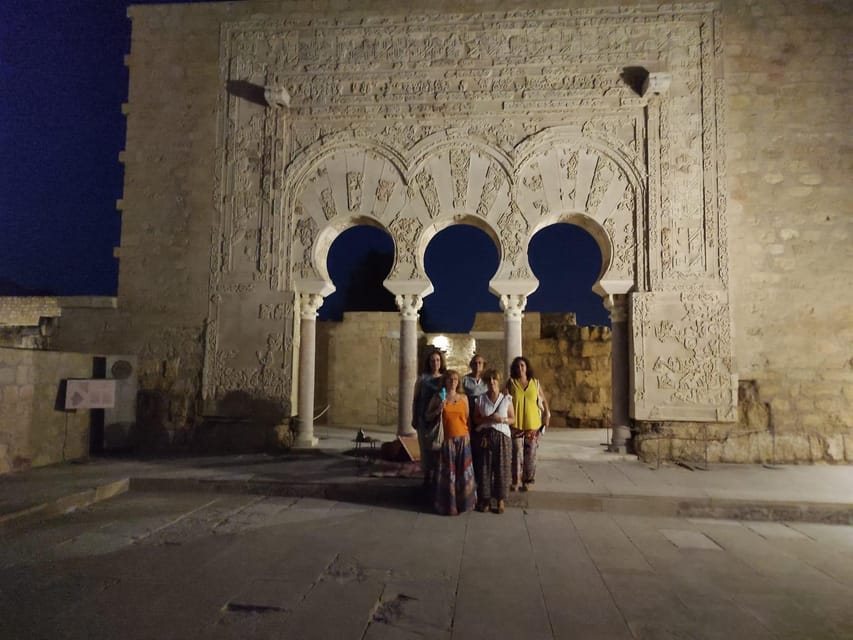
Medina Azahara is most atmospheric after sunset, when the ruined palatine city feels far removed from modern Córdoba. Built for Caliph Abderraman III in 936, the site tells the story of power, science, and daily life in al-Andalus through its terraces, walls, and surviving fragments. I like the summer-night setting and the fact that an official guide brings the ruins to life instead of leaving you to guess what each stone once meant.
I also like the two-hour length and the small practical touch of radio guides for groups larger than 10. Guides Paula and Angie have been praised for clear, well-paced explanations. The main drawback is access: you must pay separately for the shuttle from the parking area, and the site is not suitable for people with mobility impairments. Lighting can also be limited, so comfortable shoes and a camera with a night setting are useful.
In This Review
- Key points to know before booking
- Why Medina Azahara is worth seeing at night
- Arriving from Córdoba or by car
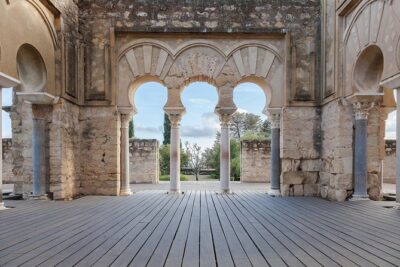
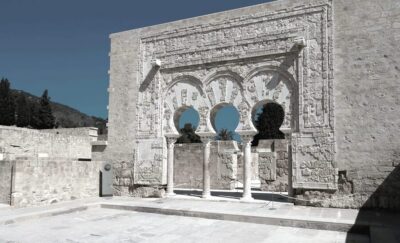
- The first look at the palatine city
- Stories of doctors, scholars, and court life
- What the night setting adds, and what it takes away
- Radio guides and the group experience
- Is $11 a fair price?
- Who should book this evening visit?
- Practical tips for a smoother visit
- Should you book the Medina Azahara night tour?
- FAQ
- How long does the Medina Azahara night visit last?
- What language is the tour in?
- Is admission to Medina Azahara included?
- Is the shuttle bus included?
- Do I need the shuttle bus to reach the archaeological complex?
- Can I reach the site by public transportation?
- Are radio guides provided?
- Is the visit suitable for people with mobility impairments?
Key points to know before booking
- A palace city built in 936: Learn how Abderraman III ordered Medina Azahara as the seat of the first caliph of al-Andalus.
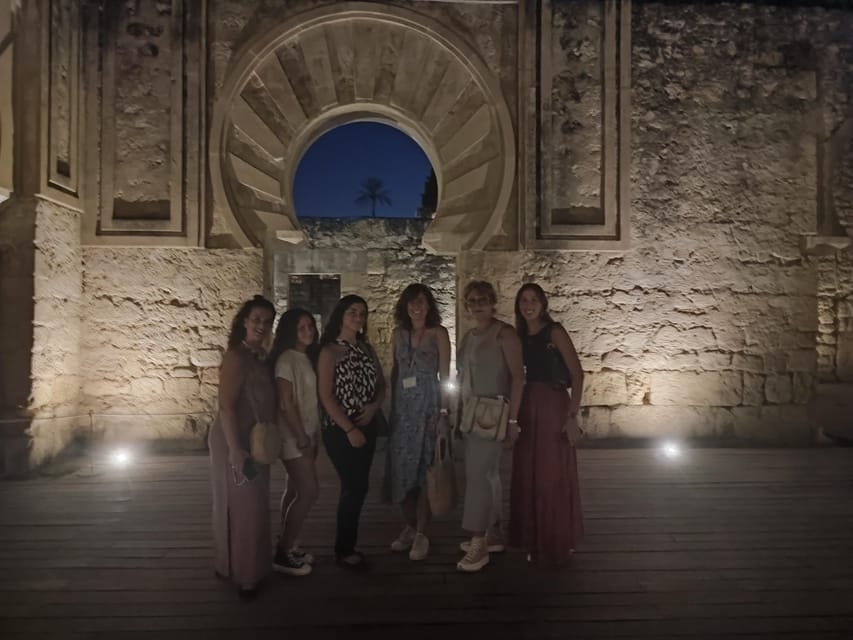
- A summer visit after dark: The cooler evening setting gives this exposed archaeological site a very different mood from a daytime visit.
- Official Spanish-speaking guides: The tour is led in Spanish, with guides such as Paula and Angie praised for clear, careful storytelling.
- Radio guides for larger groups: When more than 10 people join, single-use headphones and radio guides are included.
- Shuttle costs extra: The required shuttle from the car park costs €3, or €1.50 for people over 65 and children aged 5 to 12.
Why Medina Azahara is worth seeing at night
Many visitors come to Córdoba for the Mezquita, but Medina Azahara gives you a different view of the city’s past. This was not just a collection of old houses. It was a palatine city ordered by Abderraman III, the first caliph of al-Andalus, beginning in 936. His son, Alhaken II, completed the project.
The site was built as a center of government, ceremony, and court life. Its remains help you picture the scale of the caliphate and the people who worked within it. The complex was also linked to major figures of medieval learning, including the Jewish doctor Hasday Ibn Shaprut, the physician Albucasis, and the intellectual Lubna.
At night, you will not see every detail as sharply as you would in full daylight. That is part of the trade-off. Limited lighting was one concern noted about the visit, so you should not expect every carved stone or wall line to be brightly presented.
Still, darkness can help you focus. Instead of scanning the entire site at once, you listen to the guide and build the city in your mind. The ruins become a stage for stories about the caliph, the court, medicine, scholarship, and the eventual loss of the city.
The archaeological complex was declared a UNESCO World Heritage Site in 2018. With that addition, Córdoba became the only city in the world with four UNESCO heritage declarations. That fact gives the visit extra weight, but you do not need to be a history specialist to enjoy it. The guide’s job is to explain why the fragments matter.
More Medina Azahara trips:
- Córdoba: Medina Azahara 3-Hour Guided Tour
★ 4.6 · 969 reviews - Cordoba: Medina Azahara 3–Hour Guided Tour
★ 4.7 · 472 reviews - Cordoba: Half-Day Medina Azahara Guided Tour
★ 4.6 · 288 reviews
Arriving from Córdoba or by car
Getting to Medina Azahara requires a little planning. If you drive, the guide waits in the parking lot and calls you about 10 minutes before the tour begins so you can identify one another.
You cannot simply leave the car and walk straight into the archaeological complex. A shuttle bus is required from the parking area, and its ticket is not included in the tour price. The shuttle costs €3 per person. People over 65 and children from 5 to 12 pay €1.50.
This extra step caused some confusion for one visitor who did not know the bus was mandatory. I recommend allowing time for the transfer and having cash or a payment method ready for the separate ticket. The tour itself costs $11 per person, but the total cost is slightly higher once you add transportation.
If you come from Córdoba without a car, you have several options, including a taxi or Aucorsa Line O1. The O1 bus leaves you about 700 meters from the archaeological complex, so you must walk the remaining distance. That walk may be manageable for some people, but it is worth considering in the dark and in warm weather.
The meeting instructions are simple once you know the system. If you take the bus from Córdoba, the guide waits for you when you get off and calls you. If you drive, look for the guide in the parking area and keep your phone available.
The first look at the palatine city
The visit lasts about two hours. The exact route and starting time depend on availability, so check the schedule when you book.
The opening part of the tour places Medina Azahara in its political setting. Abderraman III ordered the city in 936 after becoming the first caliph of al-Andalus. That title mattered. It expressed authority over both government and religion, and the new city served as a powerful statement of that authority.
Your guide explains how the city was connected with the caliphate and why such a large court center was created. You will see the remains as part of a planned royal complex, not as random ruins scattered across a hill.
This is where the guided format earns its price. Without context, you might see walls, foundations, and stones but struggle to understand their original purpose. With a good explanation, the surviving remains become clues to rooms, courtyards, ceremonial areas, and the larger organization of the city.
The site is exposed, so dress for an evening walk. Comfortable clothing and water are specifically recommended. Bring a camera, but remember that some sections may be dimly lit.
Stories of doctors, scholars, and court life
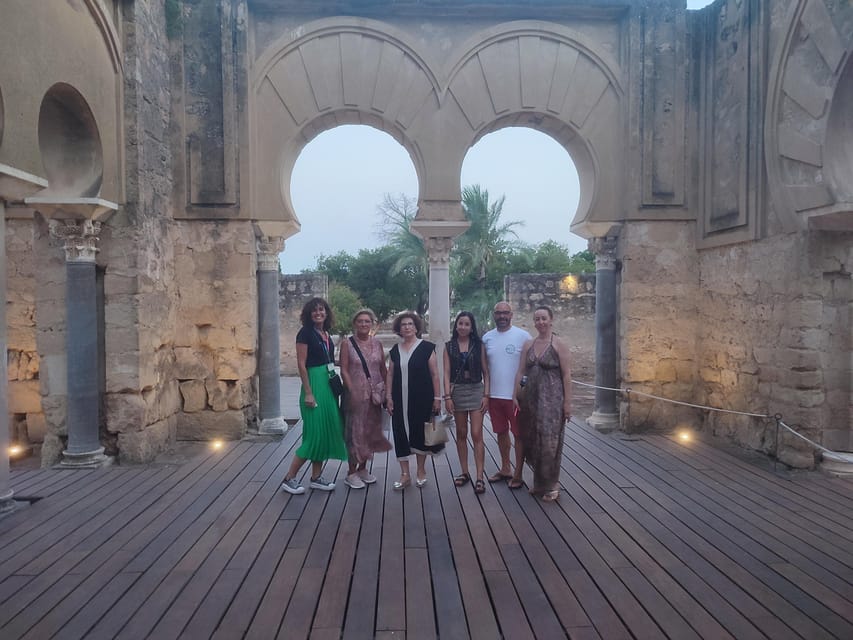
Medina Azahara is not only a story about rulers. The city was connected with people who helped make al-Andalus a major center of medicine, administration, and learning.
Hasday Ibn Shaprut, a Jewish doctor, is one of the figures associated with this world. Albucasis was another important doctor, while Lubna is remembered as an intellectual. Their presence in the story helps widen your view beyond military power and royal ceremony.
A strong guide connects these names to the city’s role as a working court. You begin to picture a place where officials, physicians, scholars, and palace workers carried out their duties around the caliph’s residence.
This human side is one reason I recommend taking the tour with a guide. The stones cannot explain themselves. The best explanations show how the city functioned and why its remains deserve attention.
The guides are Spanish-speaking, so you need enough Spanish to follow the explanations. Paula has been praised for her historical skill, while Angie has been singled out for being prepared, friendly, and careful with timing. Those details matter because a two-hour walk can feel rushed if the guide cuts the explanation short.
One visitor specifically appreciated that Angie completed the explanations at the scheduled time while other groups had finished early. That is useful information if you value a full tour rather than a quick circuit.
More Cordoba trips:
- Córdoba: Skip-the-Ticket-Line Mosque-Cathedral Guided Tour
★ 4.6 · 9,634 reviews - Cordoba Mosque-Cathedral: Skip-the-Line Guided Tour
★ 4.7 · 6,610 reviews - Córdoba: Jewish Quarter, Mosque, and Alcázar Tour
★ 4.7 · 4,279 reviews - Cordoba: Equestrian Show General Entry
★ 4.5 · 2,333 reviews
What the night setting adds, and what it takes away
A summer night is a sensible time to visit an exposed archaeological site in Andalusia. The cooler air should make the two-hour walk more comfortable than a hot afternoon, and the dark gives Medina Azahara a quieter, more reflective mood.
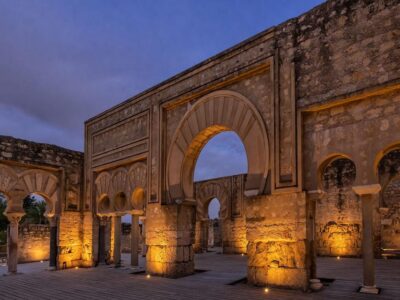
The night also changes the way you see distance and detail. The palace city feels more mysterious, and the stories about court life and legends can carry more atmosphere after sunset.
But do not book this expecting a fully illuminated monument. Lighting is limited in some areas. That can make photography harder and may require extra attention when you walk. Wear shoes that feel secure and keep water with you.
A camera is worth bringing, but treat it as a bonus rather than the main point. Your guide’s account will do more to shape the visit than a collection of dark photographs.
This setting is best for someone who enjoys a slower historical visit and does not mind a few practical limits. If you want bright views and easy access to every detail, a daytime visit may suit you better. If you like ruins with an evening mood, the night tour has a clear appeal.
Radio guides and the group experience
When the group exceeds 10 people, radio guides with single-use headphones are included. This is a small feature, but it can make a real difference in an open archaeological site.
At Medina Azahara, the guide may be some distance away while explaining a wall or section of the city. A radio system helps you hear without crowding around the guide. It also lets you look at the site while listening instead of keeping your eyes fixed on one person.
The equipment is only included for groups larger than 10, according to the tour details. Smaller groups may not use the same system, so ask the guide if you have trouble hearing.
Personal attention is another stated part of the visit. That does not mean a private tour, but it suggests that the guide is expected to keep the group together and respond to questions. The strongest feedback has focused on guides who explain fully, maintain a friendly manner, and keep to the planned schedule.
The tour is offered in Spanish only. If Spanish is comfortable for you, this format should feel direct and natural. If not, you may get less from the two-hour explanation, even if the setting itself is impressive.
Is $11 a fair price?
At $11 per person, the tour is reasonably priced for a two-hour guided visit to a UNESCO-listed archaeological complex. The entrance to Medina Azahara is included, and the official guide provides the historical structure that is difficult to get from the ruins alone.
You must add the shuttle ticket, which costs €3 for most people. That makes the total price higher than the headline figure, but the guided explanation remains the main value.
I would not judge this visit only by the amount of surviving architecture. Medina Azahara is an archaeological site, and you should expect partial remains rather than a complete palace. The value comes from understanding how those remains fit together and what they reveal about the caliphate.
If you already know the site well and prefer to explore quietly, you may not need the tour. If this is your first visit, I think the guide is worthwhile. One Spanish-speaking visitor put the point clearly: without explanations, you may see only stones, while a guide helps you understand what you are looking at.
The price also includes the flexibility to reserve now and pay later. You can cancel up to 24 hours before the visit for a full refund, which is helpful when your Córdoba plans depend on weather or changing evening schedules.
Who should book this evening visit?
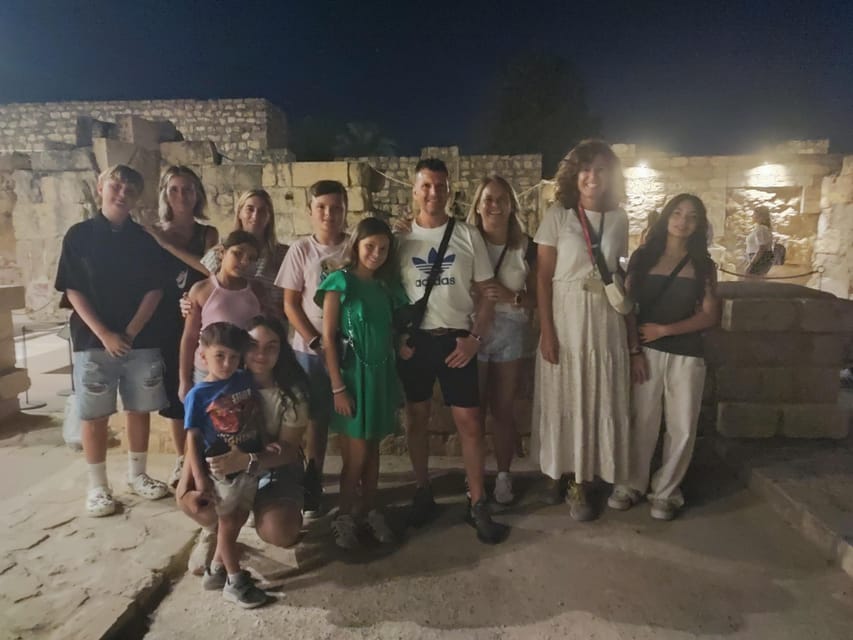
I would recommend the tour to adults and older children who enjoy archaeology, medieval Spain, or the history of al-Andalus. It also suits anyone who wants a summer activity outside Córdoba’s busy center and prefers a guided visit over reading signs alone.
It is especially useful for you if:
- You want an official guide to explain the city’s purpose and history.
- You understand Spanish well enough to follow a live tour.
- You appreciate a two-hour visit with a clear schedule.
- You are comfortable walking through an outdoor archaeological complex.
- You do not mind paying separately for the shuttle.
- You like visiting historic sites in the cooler evening hours.
I would think twice if you have a mobility impairment, need bright lighting, or are bringing a baby carriage. Baby carriages are not allowed, and the experience is specifically not suitable for people with mobility impairments.
Practical tips for a smoother visit
Keep your phone on and answer calls near the meeting time. The guide uses a phone call to identify you in the parking area or after you get off the Córdoba bus.
Arrive with enough time to manage the shuttle. The bus ticket is separate, and the shuttle is mandatory if you park at the designated car park. This is the detail most likely to catch you off guard.
Bring water even for an evening visit. Wear comfortable clothes and shoes, since the tour lasts two hours and lighting may be weak in places.
If you plan to take photographs, use a camera or phone setting that handles low light. Do not let the camera distract you from the explanations, since the guide’s account is the key to understanding the remains.
Finally, confirm the language before booking. The live guide is Spanish-speaking, and the tour information lists Spanish as the available language.
Should you book the Medina Azahara night tour?
Book it if you want Medina Azahara explained rather than simply photographed. The $11 price is fair once you consider the included entrance and two-hour official tour, though you should add the €3 shuttle fee for most adults.
The night setting is atmospheric and practical during Andalusia’s summer heat, but limited lighting and uneven access mean this is not the easiest historic site visit. You will get the most from it if you arrive prepared, speak Spanish, and enjoy listening closely.
For a first visit to the palatine city, I would choose the guided option. A strong guide such as Paula or Angie can connect Abderraman III, Alhaken II, Hasday Ibn Shaprut, Albucasis, and Lubna to the stones in front of you. That connection is what turns a pile of ruins into a place with purpose.
FAQ
How long does the Medina Azahara night visit last?
The tour lasts approximately two hours.
What language is the tour in?
The live tour guide speaks Spanish.
Is admission to Medina Azahara included?
Yes. Entrance to the Medina Azahara Archaeological Site is included in the tour price.
Is the shuttle bus included?
No. The shuttle ticket costs €3. People over 65 and children from 5 to 12 pay €1.50.
Do I need the shuttle bus to reach the archaeological complex?
If you leave your car in the designated parking area, you must take the shuttle bus to the complex.
Can I reach the site by public transportation?
Yes. Aucorsa Line O1 can take you to about 700 meters from the archaeological complex. You must walk the remaining distance.
Are radio guides provided?
Radio guides with single-use headphones are included when the group has more than 10 people.
Is the visit suitable for people with mobility impairments?
No. The activity is not considered suitable for people with mobility impairments. Baby carriages are also not allowed.
Just added around Cordoba
- Tapas Tour Cordoba & Wine Experience with chef and sommelier★ 4.8 · 3 reviews
- O75 . The Oliva experience that you deserve★ 5.0 · 3 reviews
- Private Tour of Cordoba Week Days 2 Hours Tickets included★ 5.0 · 3 reviews
- Córdoba: Private Mosque-Cathedral and City Tour★ 5.0 · 3 reviews
- Private Tour: Mezquita-Catedral from Cordoba★ 5.0 · 3 reviews
- Cordoba: Jewish History Private Tour★ 4.0 · 3 reviews
- Cordoba private tour from Seville including the great Mosque for up to 8 persons★ 4.0 · 3 reviews
- Cordoba Highlights: Guided Day Tour from Seville★ 4.5 · 3 reviews
Medina Azahara Tours, compared.

Medina Azahara Museum and Archaeological Site Tour
Read our review →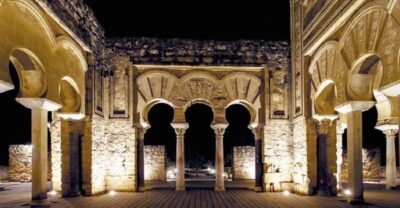
Browse the lists this tour appears in