
Reviewed · JEREZ TOURS
JEREZ DE LA FRONTERA: GUIDED TOUR TO THE COOPERAGE
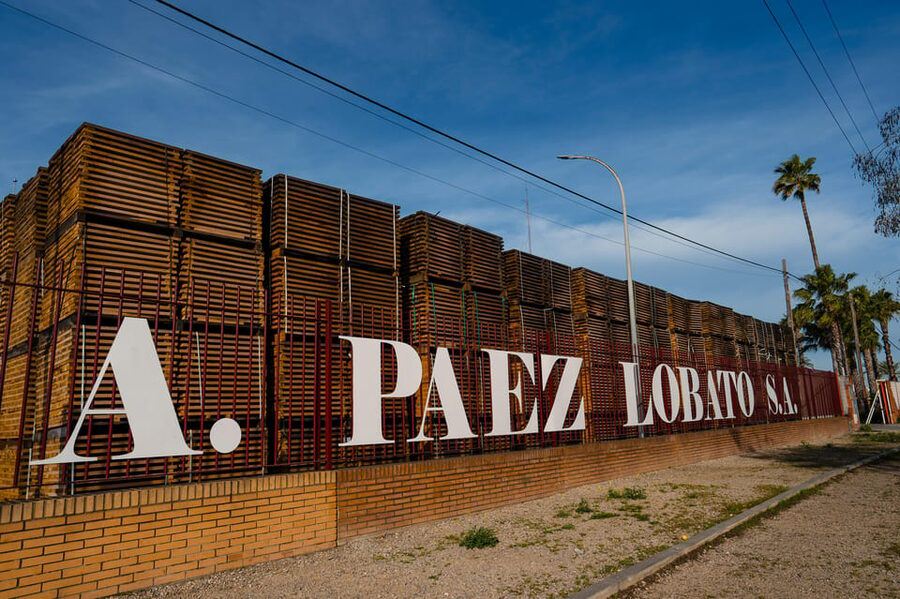
Jerez’s sherry culture begins long before the wine reaches your glass. At Tonelería Antonio Páez Lobato, you can watch the skilled work behind the wooden casks that help define the region’s famous wines. The tour takes you from the visitor center into the working cooperage, where the making of a barrel is explained step by step.
I like the rare access to a working craft and the clear route through the facilities. I also like that the tour ends with a glass of Páez Morilla wine, so you can connect the cooperage’s work with the drink it serves.
The main drawback is its short length. One hour gives you a useful introduction, but not a slow, hands-on workshop session. The Premium Tour is the better choice if you want to spend more time with the barrel-making process itself.
In This Review
- Key points to know before you go
- Why a cooperage belongs on a Jerez itinerary
- Starting in the visitor center
- The photo corridor and video provide useful context
- Walking through the drying patios
- Viewing barrel production from the floating walkway
- What the wine tasting adds
- Is one hour enough?
- Price, meeting point, and practical planning
- Who will enjoy this tour most?
- What I would keep in mind before booking
- Should you book the Tonelería Antonio Páez Lobato tour?
- FAQ
- Where does the tour meet?
- How long does the cooperage tour last?
- How much does the tour cost?
- What languages are available?
- Is transportation included?
- What is included in the visit?
- Is the cooperage wheelchair accessible?
- Can I cancel the booking?
Key points to know before you go
- This is Spain’s only cooperage with its own public visitor center, giving the tour a setting built for both production and explanation.
- The working workshop is viewed from a floating walkway, so you can see the barrel-making area without simply watching a film or looking at old tools.
- The route includes drying patios, an important part of preparing the wood before it becomes a cask.
- Your one-hour visit finishes with a complimentary glass of wine from Páez Morilla Winery.
- English and Spanish tours are available, with a live guide and some material presented in its original language.
- The Premium Tour offers more direct contact with the craft, but the standard visit already covers the main stages and facilities.
Why a cooperage belongs on a Jerez itinerary
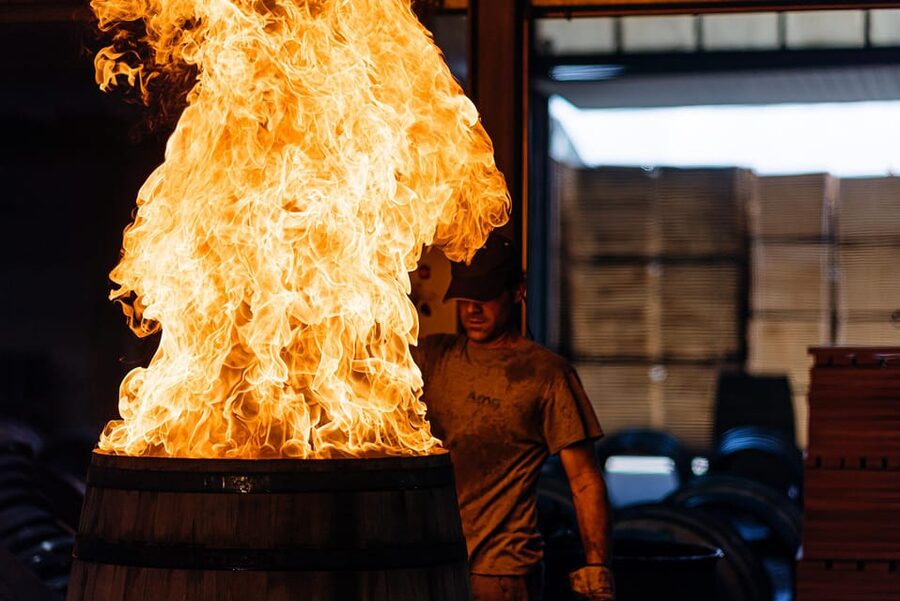
Jerez is known for sherry, but the wine is only part of the story. The cask matters too. A cooperage brings together wood, heat, shaping, drying, and careful assembly. The result is not just a container. It is a working part of the wine-making tradition.
That makes this tour a useful change of pace from a standard tasting room visit. Instead of focusing only on what is in your glass, you see the work that helps create the conditions for the wine to mature.
I especially like that the visit takes place at Tonelería Antonio Páez Lobato rather than in a small display room removed from production. You enter a visitor center, then move toward the patios and workshop. That progression helps you understand the trade as an active part of Jerez life.
The tour is also a good fit if you enjoy traditional trades. You do not need to be an expert in sherry or woodwork. The guide explains the process in a practical way, using photographs, materials, video, and the real workshop to make the subject easy to follow.
More Jerez trips:
- Jerez de la Frontera: How the Andalusian Horses Dance
★ 4.6 · 6,168 reviews - Jerez de la Frontera: Andalusian Horse Dance and Museums
★ 4.7 · 1,289 reviews - Jerez: Yeguada de la Cartuja Carthusian Horses Tour
★ 4.8 · 970 reviews
Starting in the visitor center
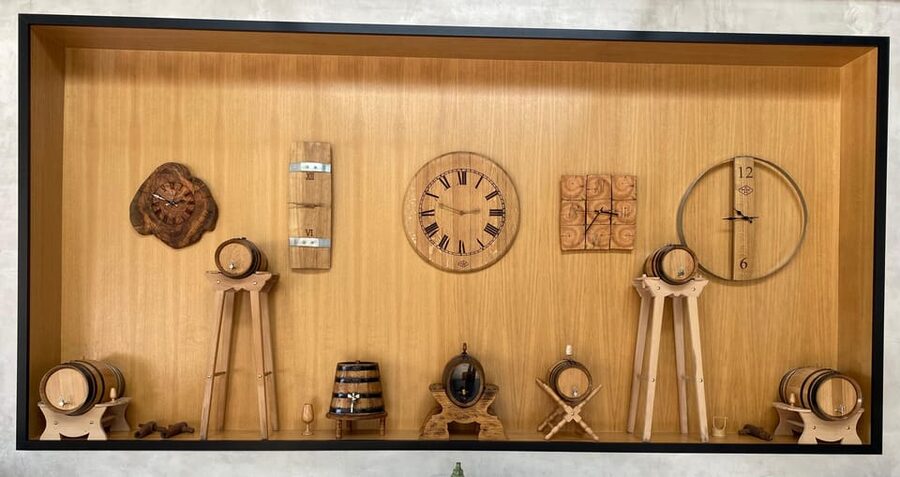
The visit begins at the reception visitor center. This is where you get your bearings and receive the first introduction to the cooperage. The setting also includes a store, a photographic corridor, and a corporate video.
The photo corridor gives you a visual sense of the company’s work before you enter the production areas. That helps because barrel-making involves several stages, and the images provide a simple preview of what you are about to see.
The video adds another layer of background. Some content is shown in its original language, so you may not understand every word if you are not taking the tour in that language. Still, the visit is guided in Spanish or English, and the live explanation is the part to pay closest attention to.
The center has a polished, stylish feel from the entrance onward. That may appeal to you if you like a tidy, organized introduction before seeing an active work area. It also means the first portion feels more like a formal visitor experience than a rough industrial walk-through.
The photo corridor and video provide useful context
It is easy to rush past introductory material, but here it has a purpose. Barrel-making can look simple from a distance: wooden pieces are shaped, joined, and formed into a cask. The photographs and video help you notice the many separate jobs involved.
The material also prepares you for the workshop. You will have a better idea of what to look for when the guide points out stages in the process. The result is a more useful visit than simply looking at finished barrels.
This part is brief enough not to dominate the tour. If you already know a lot about cooperage, you may find it familiar. For most people, though, it gives the visit a clear structure and prevents the workshop explanation from becoming a list of unfamiliar terms.
The company’s focus is the production of sherry casks. That specialization makes the experience more specific than a general craft demonstration. You are learning about barrels connected to Jerez’s wine culture, not just generic wooden containers.
Walking through the drying patios
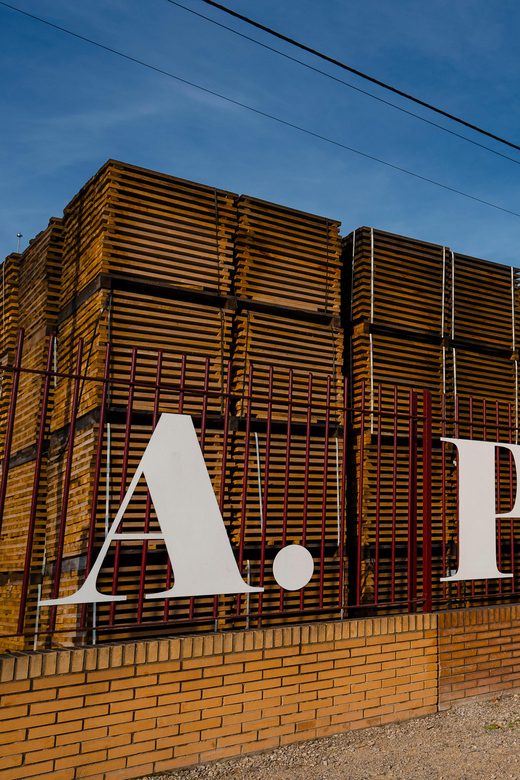
From the visitor areas, the route continues to the drying patios. This is one of the most useful stops because it shows that a cask begins well before final assembly.
The wood needs preparation, and the patios are part of that process. Seeing the material outdoors gives you a physical sense of the scale of the work. It also makes clear that time and space are important parts of barrel production.
The patios may be less dramatic than the workshop, but do not treat them as filler. They help explain why the cooperage needs a large working site and why the craft cannot be reduced to a quick series of factory actions.
Your guide explains what happens at this stage and how it relates to the finished cask. The visit is not described as a hands-on session in the standard format, so expect to observe and listen rather than handle the wood yourself.
If you are visiting in warm weather, the outdoor section may feel more exposed than the reception center. That is a small practical point, but comfortable shoes and sensible clothing will make the hour easier.
A few more Jerez tours worth comparing
- Jerez: Bodegas Fundador Guided Tour with Tasting Session
★ 4.8 · 714 reviews - Jerez: Guided Winery Tour with Wine Tasting
★ 4.4 · 636 reviews - Jerez: Historic Center Guided Tour
★ 4.5 · 272 reviews - Jerez: Bodegas Álvaro Domecq Guided Tour with Wine Tasting
★ 4.6 · 265 reviews
Viewing barrel production from the floating walkway
The central part of the experience takes place in the production workshop. You view the work from a floating walkway, which gives you a safe route through the working area while keeping the activity in front of you.
This is where the tour earns its price. You are not only looking at finished casks. You are shown how the barrels are produced, with the guide explaining the various stages and the work carried out by the coopers.
The walkway also gives the visit a strong sense of place. A museum can explain a trade, but a production workshop lets you see the setting where the work happens. Depending on the day and activity in the facility, you might see more or less action, but the route is designed to show the process clearly.
You should expect a guided explanation rather than a do-it-yourself lesson. The Premium Tour is the option for a closer experience of the workshop and a more direct look at how the casks are made. The regular tour is better for an introduction, especially if you want to fit a cooperage visit into a busy day in Jerez.
The craftsmanship is the point here. Each part of the barrel has a job, and the guide connects those parts to the finished sherry cask. This helps you understand why the work requires skill, patience, and repeated attention rather than simple assembly.
What the wine tasting adds
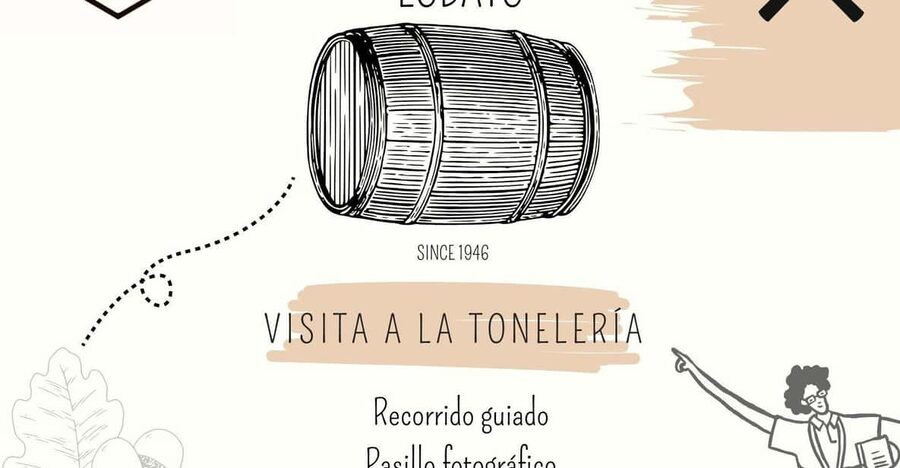
The tour includes a complimentary glass of Páez Morilla Winery wine at the end. The supplied details identify it as a dry white wine, and it is served as the closing part of the visit.
This is a modest tasting rather than a full wine tour. You do not book this experience for a long flight of sherries or a large food pairing. You book it to see the cooperage, with one glass providing a pleasant link between the barrel-making process and the wine culture of Jerez.
I like the order. You first learn how casks are made, then you taste wine connected to the same regional tradition. The drink gives the tour a natural ending and a moment to pause after the workshop explanation.
The wine also improves the value of the $23 price, though the included glass should not be the main reason you book. The real value comes from access to the visitor center, patios, and workshop route. Think of the wine as a useful finish, not the centerpiece.
Is one hour enough?
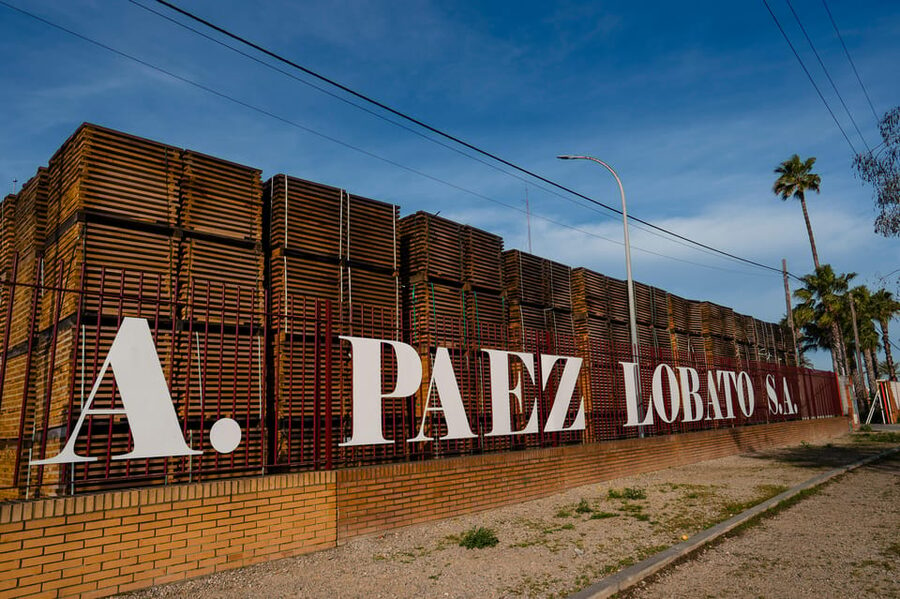
For a first look, yes. The tour is compact and covers the main areas without requiring half a day. That makes it easy to pair with other Jerez sights, provided you allow time to reach the meeting point.
The short format also keeps the subject approachable. If you are only mildly interested in wine or traditional trades, you can learn the basics without committing to a long technical program.
Still, one hour has limits. You will not get the same level of contact with the craft as you would on the Premium Tour. You also should not expect a lengthy tasting or an extended workshop lesson.
If you have a strong interest in woodwork, sherry production, or traditional manufacturing, pay attention to the Premium option when booking. If you want a clear introduction with a live guide and a wine sample, the standard tour should be enough.
Price, meeting point, and practical planning
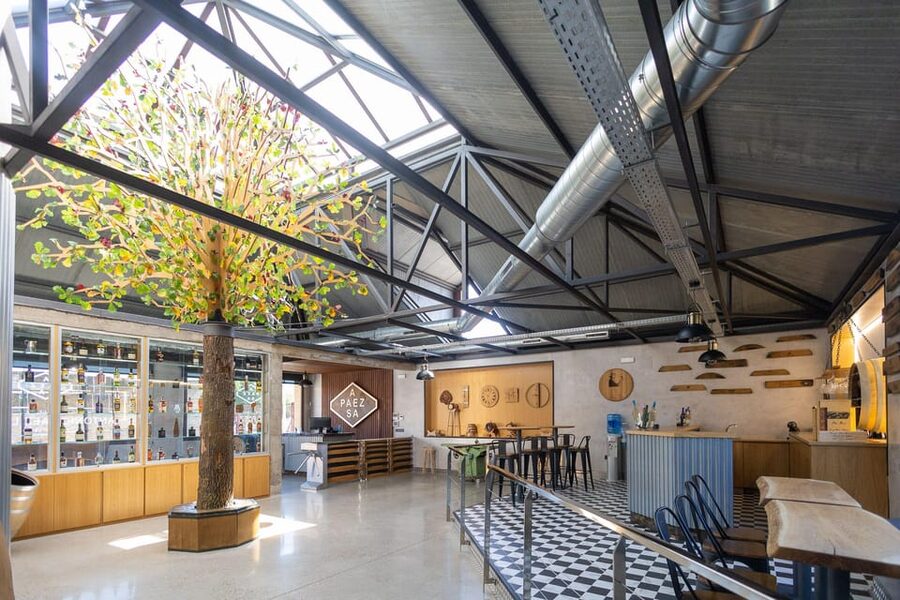
At $23 per person, the tour offers fair value for a specialized experience. The price includes the guided visit, visitor center, store and photographic corridor, video, drying patios, workshop walkway, and one complimentary glass of wine.
Transportation is not included. The meeting point is in front of the sugar mill, so check the route carefully before setting out. The cooperage is in Jerez de la Frontera, and you should plan your own way to the meeting point rather than expecting a pickup.
The experience lasts one hour, with starting times based on availability. That is useful for planning, but you need to choose a time that fits your wider Jerez schedule.
A live guide is available in Spanish and English. Some content remains in its original language, so ask your guide for clarification if a video or display is not fully clear to you.
The cooperage is wheelchair accessible. That is an important advantage, though the experience includes movement through patios and a production workshop, so you may still want to confirm any personal access needs before booking.
Cancellation is free up to 24 hours in advance, and you can reserve now and pay later. Those terms are helpful if your Andalusia plans are still shifting.
Who will enjoy this tour most?
I would recommend it first to people who want to understand the physical work behind sherry. It is also a strong choice for anyone interested in traditional trades, craft production, or the working side of Andalusian food and drink.
Families may appreciate the mix of video, photographs, outdoor space, and real workshop views. The one-hour format is easier to manage than a long technical tour, though younger children may not care much about the details of barrel construction.
Wine enthusiasts will find useful context here, but this is not a replacement for a dedicated sherry tasting. If your main goal is to compare several wines, choose a winery visit instead or add one to your Jerez plans.
The tour also suits repeat visitors to Jerez. If you have already seen the main monuments and tasted sherry, a cooperage visit shows a less obvious part of the city’s culture.
What I would keep in mind before booking
Do not expect a quiet museum. This is a working cooperage, and the workshop is part of the appeal. Conditions may feel more industrial than a polished wine cellar, even though the visitor center itself is stylish.
Do expect a clear introduction to a trade that is closely tied to Jerez. The combination of drying patios and workshop views gives you more than a display of finished barrels.
The strongest part is the explanation of the many steps involved in barrel making. The most praised feature of the experience is its ability to show the work live, with photographs, materials, video, and the production area all supporting the guide’s explanation.
The wine at the end is another welcome touch. A dry white glass gives you a pleasant finish, but the visit’s lasting value comes from seeing how the casks are made.
Should you book the Tonelería Antonio Páez Lobato tour?
Book it if you want a focused, one-hour look at the craft behind Jerez’s wine culture. You will see the visitor center, drying patios, and workshop walkway, then finish with a glass of wine. The format is practical, the price is reasonable, and the English or Spanish live guide makes it accessible.
Skip it if you want a long tasting, extensive hands-on work, or a full-day wine program. In that case, consider the Premium Tour or pair this visit with a separate sherry experience.
For most visitors with an interest in how traditional products are made, I think the standard tour is a smart addition to a Jerez itinerary. It shows the work behind the wine, and that makes the next glass of sherry a little more interesting.
FAQ
Where does the tour meet?
The meeting point is in front of the sugar mill in Jerez de la Frontera.
How long does the cooperage tour last?
The standard guided tour lasts one hour.
How much does the tour cost?
The listed price is $23 per person.
What languages are available?
The live tour guide is available in Spanish and English.
Is transportation included?
No. You are responsible for getting to the cooperage meeting point.
What is included in the visit?
The tour includes the reception visitor center, store, photographic corridor, corporate video, drying patios, a guided explanation from the workshop’s floating walkway, and one complimentary glass of wine.
Is the cooperage wheelchair accessible?
Yes, the activity is listed as wheelchair accessible.
Can I cancel the booking?
Yes. You can cancel up to 24 hours in advance for a full refund. You can also reserve now and pay later.
Just added around Jerez
- Jerez: Historic center of Jerez and horse show★ 5.0 · 3 reviews
- Jerez de la Frontera: 1.5-Hour Walking Tour with a Guide★ 5.0 · 3 reviews
- Visit to the Church of San Miguel★ 5.0 · 3 reviews
- Jerez Historic Guided Tour with Horse Show★ 5.0 · 4 reviews
- Jerez: Tour Bodegas Páez Morilla ESPAÑOL/DEUTSCH★ 5.0 · 4 reviews
- From Jerez: Day Trip to Tangier with Ferry & Lunch★ 4.8 · 5 reviews
- JEREZ DE LA FRONTERA: PREMIUM GUIDED TOUR TO THE COOPERAGE★ 5.0 · 5 reviews
- Tablao Flamenco La Guarida del Angel Jerez★ 4.5 · 6 reviews
Jerez Tours, compared.



Royal Andalusian School of Equestrian Art Admission
Read our review →
Bodegas Fundador Guided Tour with Tasting Session
Read our review →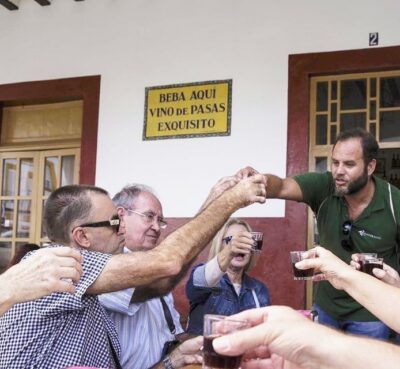

Browse the lists this tour appears in