
Reviewed · JEREZ TOURS
JEREZ DE LA FRONTERA: PREMIUM GUIDED TOUR TO THE COOPERAGE
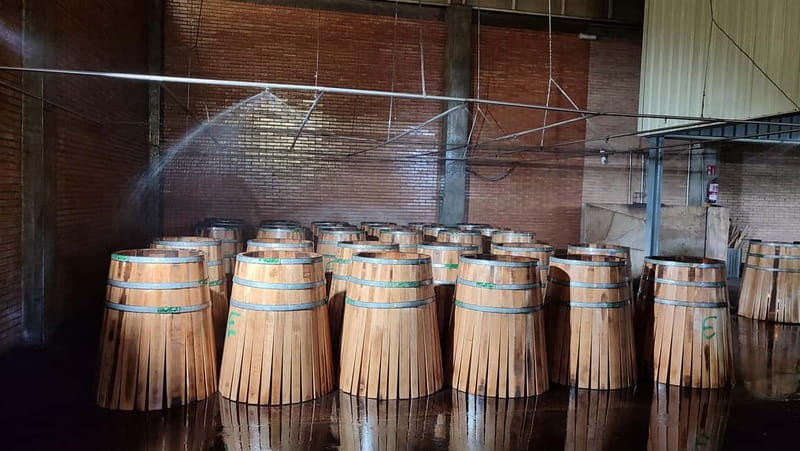
The unusual star here is not a cathedral, palace, or wine cellar. It is the cooperage, where skilled workers make the wooden casks that help give sherry its character. You walk through the working production area, not just a display room, and see the process at close range.
I like the tiny group limit of four people, which should make it easier to hear the guide and ask questions. I also like the clear focus on craft, from the drying patios to the finished sherry cask. The main consideration is transport: you must make your own way to the meeting point in front of the sugar mill.
In This Review
- Key points
- Why a Jerez Cooperage Deserves Your Time
- Meeting the Cooperage in Front of the Sugar Mill
- Visitor Center, Shop, and Photographic Corridor
- From Drying Patios to Finished Sherry Casks
- The Floating Walkway Through the Production Workshop
- Walking Through the Cooperage
- The Paez Morilla Wine at the End
- Who Will Get the Most From This Tour
- Booking, Timing, and Cancellation
- Is the Jerez Cooperage Tour Worth Booking?
- FAQ
- Where does the tour begin?
- How long does the experience last?
- Is transportation to the cooperage included?
- What languages are available?
- How many people can join the tour?
- Is a drink included?
- Can I cancel for a full refund?
Key points
- Only public visitor center of its kind in Spain: The tour focuses on a working Spanish cooperage with its own visitor facilities.
- Workshop access: A floating walkway takes you through the production area without turning the visit into a simple museum display.
- Sherry cask craftsmanship: You follow how barrels develop from wood to finished casks used for sherry.
- Very small group: With a maximum of four participants, this feels more personal than a standard factory tour.
- Wine at the finish: A complimentary glass of Paez Morilla wine connects the barrel-making process to the drink it helps produce.
- Accessible format: The activity is listed as wheelchair accessible and is offered in Spanish or English.
Why a Jerez Cooperage Deserves Your Time
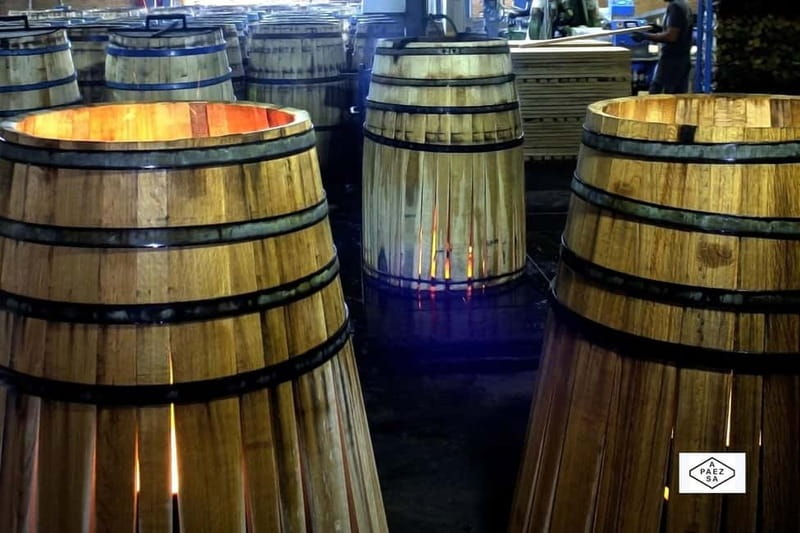
Jerez is famous for sherry, but a sherry tour often begins with the finished drink. This visit takes you one step back, to the wooden vessel that helps make the drink possible.
A cooperage is a workshop where barrels are built, shaped, joined, and prepared for use. Here, the emphasis is on sherry casks, so you are not simply looking at old barrels stacked in a cellar. You are following the work that turns timber into a working container.
That shift in focus makes the visit useful for anyone who likes food and drink beyond the tasting glass. You learn how a product depends on a chain of human skills, materials, and time. The supplied tour information does not promise a long sherry tasting, so you should book this for the barrel-making story rather than for an extended sampling session.
The experience lasts about 1.5 hours. That is a sensible length for a workshop visit. You get enough time to see several parts of the operation without committing half a day to one specialized subject.
More Jerez trips:
- Jerez de la Frontera: How the Andalusian Horses Dance
★ 4.6 · 6,168 reviews - Jerez de la Frontera: Andalusian Horse Dance and Museums
★ 4.7 · 1,289 reviews - Jerez: Yeguada de la Cartuja Carthusian Horses Tour
★ 4.8 · 970 reviews
Meeting the Cooperage in Front of the Sugar Mill
The tour begins in front of the sugar mill, and transportation is not included. You will need to arrange your own way there, so check the exact meeting instructions and allow time to arrive before the start.
This is one of the practical points that can affect the experience. The tour itself is compact, but an awkward arrival can make a short activity feel rushed. If you are building a day around Jerez, place this visit alongside other plans only after checking the available starting time.
The small group size matters from the moment you arrive. A maximum of four people gives the guide room to explain the work at a normal pace, rather than trying to speak over a crowd. You can also ask about details that interest you, such as the wood, the shaping process, or the purpose of different stages.
The tour is offered with a live guide in Spanish or English. Almodena is named among the guides associated with the experience, and the description of her approach points to a pleasant, passionate explanation of the craft. That personal enthusiasm is important in a workshop setting, where the difference between a dry technical tour and an engaging one often comes down to the guide.
Visitor Center, Shop, and Photographic Corridor
The first indoor portion includes the reception visitor center, a shop, a photographic corridor, and a corporate video. This gives you the basic setting before you enter the production spaces.
The photographic corridor helps put faces and images around the trade. Cooperage can sound like a narrow subject until you see the scale of the work and the stages involved. The video also gives the company a way to explain its identity before the guide takes you into the workshop.
The shop is part of the arrival area rather than the central reason to come. Treat it as a short orientation stop, not a shopping destination. The useful part is the transition from public-facing visitor center to working industrial space.
I appreciate this order. You are not dropped straight into a production area without context, and you are not kept in a polished exhibition room for the whole visit. The tour moves from explanation to direct observation.
From Drying Patios to Finished Sherry Casks
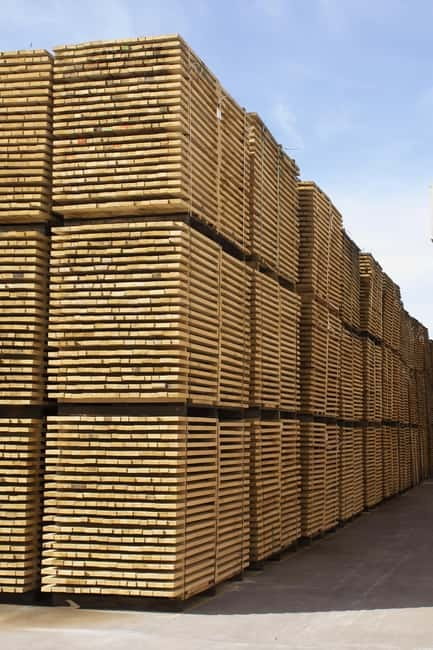
The first guided outdoor section takes you through the drying patios. This is where the raw material begins its long journey toward a usable barrel.
The patios are important because barrel-making does not start with a finished plank. The wood must be prepared before the cooper can shape and assemble it. You will see the setting where that preparation takes place, then carry the story into the workshop.
The tour information does not specify the type of wood, the exact drying period, or every tool used, so you should not expect a detailed technical schedule for each batch. What you can expect is a guided explanation of the production process and a direct view of the places where the work happens.
That distinction is helpful. A factory visit can easily become a list of facts, but walking from the drying patios toward the workshop gives the process a physical order. You can see how early preparation connects to the final cask rather than treating each step as an isolated display.
For anyone interested in traditional trades, this may be the most revealing part of the route. The finished barrel is the object people recognize. The patios show that much of the craft happens before the barrel looks like a barrel at all.
A few more Jerez tours worth comparing
- Jerez: Bodegas Fundador Guided Tour with Tasting Session
★ 4.8 · 714 reviews - Jerez: Guided Winery Tour with Wine Tasting
★ 4.4 · 636 reviews - Jerez: Historic Center Guided Tour
★ 4.5 · 272 reviews - Jerez: Bodegas Álvaro Domecq Guided Tour with Wine Tasting
★ 4.6 · 265 reviews
The Floating Walkway Through the Production Workshop
The floating walkway is one of the tour’s most distinctive features. It lets you view the production workshop while following the guide’s explanation of how the barrels are made.
This is more informative than seeing a cask behind glass. You are close to the working environment, with the process laid out around you. The tour is designed as a walking visit through the workshop, so you should expect the sense of moving through a real production area rather than sitting through a presentation.
The walkway also gives the group a defined route. With no more than four participants, the guide can keep the explanation focused and respond to questions without losing the rest of the group. If you are curious about how the staves are handled, how the barrel takes its curved shape, or how the parts become a finished cask, this is the place to ask.
The tour presents the work from the harvesting of the wood through to the final product. That broad range gives the experience its value. You are not seeing only the last stage, when the barrel is ready for sale, but the chain of work that leads there.
There is a small trade-off. A production workshop is not arranged like a museum, and the pace depends on the operation and the guide. If you prefer a highly polished exhibit with touch screens and numerous displays, this may feel basic. If you prefer seeing craftsmanship in its working setting, that simplicity is a strength.
Walking Through the Cooperage
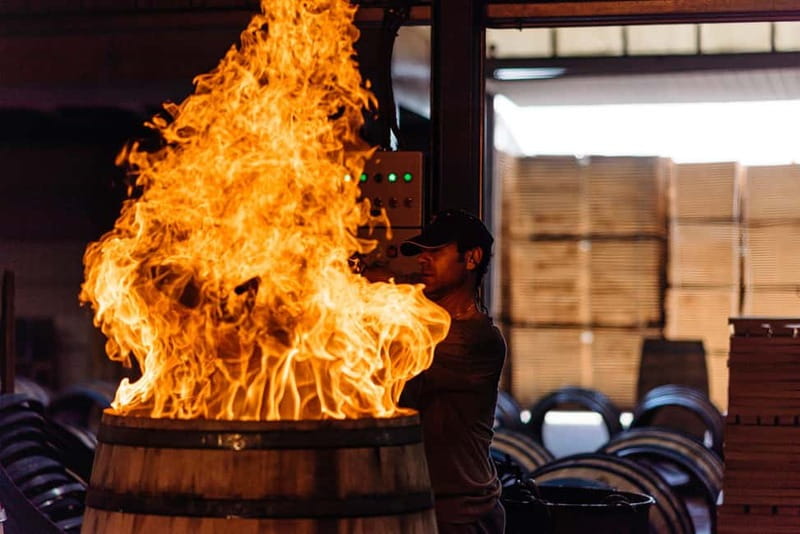
The final workshop section takes you through the cooperage itself. This is the heart of the experience, since the tour’s purpose is to show how the barrels are produced.
The focus is on human skill. A cask is not just a wooden cylinder. It is the result of careful shaping and assembly, with each stage affecting the strength and usefulness of the finished product. The visit gives you a better sense of the patience and physical effort behind an object that many people only notice when it is sitting in a bodega.
The guide’s role matters here. Almodena is described as pleasant, well informed, and passionate about the subject. Those qualities suit this kind of tour because a cooperage can seem technical until someone explains why each step matters.
You may find that the best questions are practical ones. Ask what changes as the wood dries, how the cask reaches its curved form, and which parts of the process require the most handwork. The published information confirms that the guide explains barrel production, but it does not provide a full technical syllabus, so your questions can help shape the level of detail.
The tour has also earned strong marks for showing the process up close. That is worth emphasizing. You are not merely told that barrels are made here. You are taken into the workshop and shown the production environment directly.
The Paez Morilla Wine at the End
The visit finishes with a complimentary glass of Paez Morilla wine. It is a small inclusion, but it gives the tour a satisfying connection between the craft and the drink.
The glass is not presented as a full tasting session. You should think of it as a closing taste after learning about the casks. It helps you connect the wooden vessel with the wine-making tradition of Jerez, without changing the main subject of the visit.
For $34 per person, that closing drink adds a little value, but the price is really paying for access and explanation. You are paying for a guided look at a specialized working trade, a small group, and a rare visitor setup. If you only want to drink sherry, a bodega tasting may serve you better. If you want to understand the material and labor behind the drink, this tour makes a stronger case.
The price is especially reasonable for a private-feeling group of up to four people. A larger factory tour can be cheaper, but it may not allow the same amount of conversation. Here, the group cap is one of the clearest reasons the admission makes sense.
Who Will Get the Most From This Tour
I would choose this experience for several types of visitors:
- You enjoy spirits, wine, or the objects used to produce them.
- You like traditional craft and want to see a working process rather than a static collection.
- You are curious about the connection between Jerez’s sherry culture and barrel production.
- You prefer small, guided activities where questions are welcome.
- You have already seen a typical cellar and want a different angle on the area.
It also suits visitors who like industrial and hands-on subjects. The tour is not limited to wine experts. You do not need to know how sherry is aged before arriving, since the guide explains the barrel production process as you move through the site.
I would be more cautious if your main goal is a long tasting, a broad survey of Jerez, or a relaxed cellar visit. This is a specialized cooperage tour, and its appeal comes from its narrow focus.
The activity is listed as wheelchair accessible, which makes it a useful option for visitors checking access needs. Still, because it takes place through patios and a production workshop, confirm any personal mobility questions when booking. The published age information is inconsistent, listing restrictions for children under 10, 11, and 12, so confirm the current minimum age before reserving. Babies under one year and people over 95 are also listed as unsuitable for the activity.
Booking, Timing, and Cancellation
The visit lasts 1.5 hours, with starting times shown according to availability. Since the tour begins at a specific meeting point and transportation is not included, you should keep your plans around it fairly simple.
You can reserve now and pay later, which helps if you are still arranging your Jerez schedule. Free cancellation is available up to 24 hours in advance for a full refund. Those terms are useful when your day depends on train times, weather, or a changing Andalusia itinerary.
The tour ends back at the meeting point. That makes it easier to plan another activity afterward, but you should still allow time for getting from the cooperage to your next stop.
Is the Jerez Cooperage Tour Worth Booking?
Book it if you want to see the making of sherry casks from the drying patios to the working floor, especially if you value craftsmanship and small groups. The combination of a maximum of four people, a live Spanish or English guide, workshop access, and a final glass of wine gives the $34 price solid value.
Skip it if you are looking mainly for a large sherry tasting or a general introduction to Jerez. This tour is focused, practical, and a little niche.
For the right visitor, that narrow focus is exactly why it works. You leave with a clearer idea of how wood, labor, and time shape the barrels behind one of Andalusia’s best-known drinks.
FAQ
Where does the tour begin?
The tour starts in front of the sugar mill.
How long does the experience last?
The guided visit lasts 1.5 hours.
Is transportation to the cooperage included?
No. You are responsible for getting to the cooperage and the meeting point.
What languages are available?
A live tour guide is available in Spanish and English.
How many people can join the tour?
The group is limited to a maximum of four participants.
Is a drink included?
Yes. The experience includes a complimentary glass of Paez Morilla wine.
Can I cancel for a full refund?
Yes. You can cancel up to 24 hours in advance for a full refund.
Just added around Jerez
- Jerez: Historic center of Jerez and horse show★ 5.0 · 3 reviews
- Jerez de la Frontera: 1.5-Hour Walking Tour with a Guide★ 5.0 · 3 reviews
- Visit to the Church of San Miguel★ 5.0 · 3 reviews
- JEREZ DE LA FRONTERA: GUIDED TOUR TO THE COOPERAGE★ 5.0 · 3 reviews
- Jerez Historic Guided Tour with Horse Show★ 5.0 · 4 reviews
- Jerez: Tour Bodegas Páez Morilla ESPAÑOL/DEUTSCH★ 5.0 · 4 reviews
- From Jerez: Day Trip to Tangier with Ferry & Lunch★ 4.8 · 5 reviews
- Tablao Flamenco La Guarida del Angel Jerez★ 4.5 · 6 reviews
Jerez Tours, compared.



Royal Andalusian School of Equestrian Art Admission
Read our review →
Bodegas Fundador Guided Tour with Tasting Session
Read our review →

Browse the lists this tour appears in