
Reviewed · SEVILLE PALACES
Jerez de la Frontera: Palacio Domecq Entrance Ticket
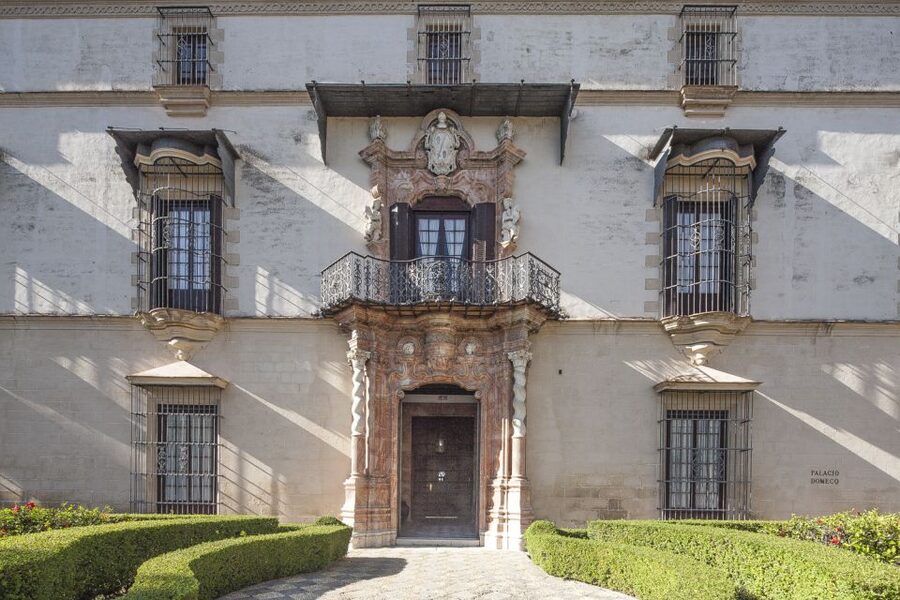
Palacio Domecq gives you a close look at the 18th-century world of Jerez’s wine aristocracy, not just another grand building with polished rooms. Its Italian marble courtyard, ornate facade, and family connection to Spanish winemaking make this a useful stop for understanding how wine shaped the city.
I like the authentic bourgeois-home setting and the chance to see paintings, sculptures, tapestries, and costly materials in their original architectural context. The English audio commentary is clear and helpful, though the visit can feel quiet and formal, and the strict no-photography rule may disappoint you.
In This Review
- Key points to know before you go
- Why Palacio Domecq matters in Jerez
- Entering the three-story Baroque residence
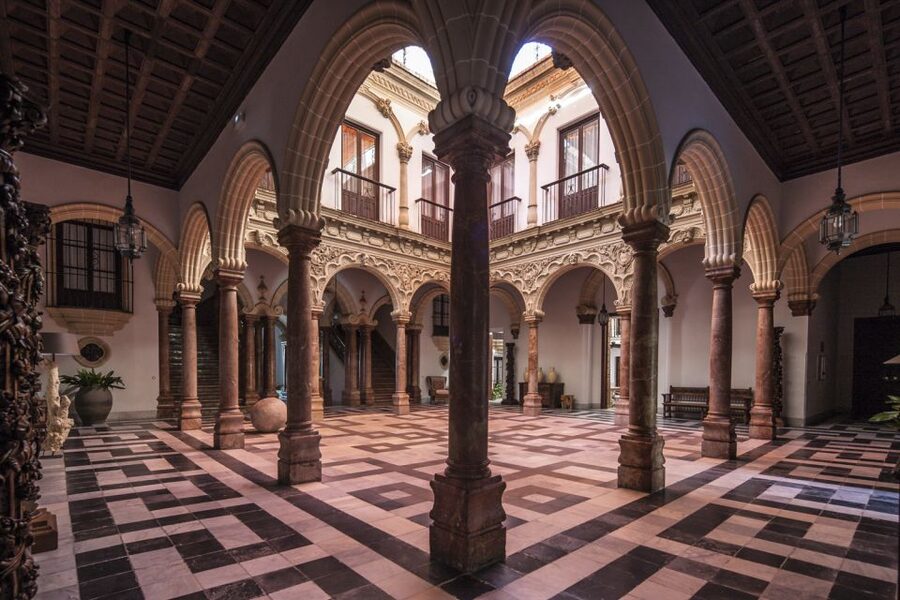
- The Italian marble courtyard
- Paintings, sculptures, and noble materials
- What the balconies reveal about Jerez
- A 45-minute visit with a quiet pace
- The audio guide: useful, but not for everyone
- Photography, bags, and the practical rules
- Who will enjoy Palacio Domecq most
- How to decide if the $17 ticket is worthwhile
- Should you book Palacio Domecq?
- FAQ
- Where is Palacio Domecq?
- How long does the visit last?
- What is included in the ticket?
- Which languages are available for the audio guide?
- How much does admission cost?
- Can I take photographs inside?
- Is Palacio Domecq wheelchair accessible?
- What should I bring to enter?
Key points to know before you go
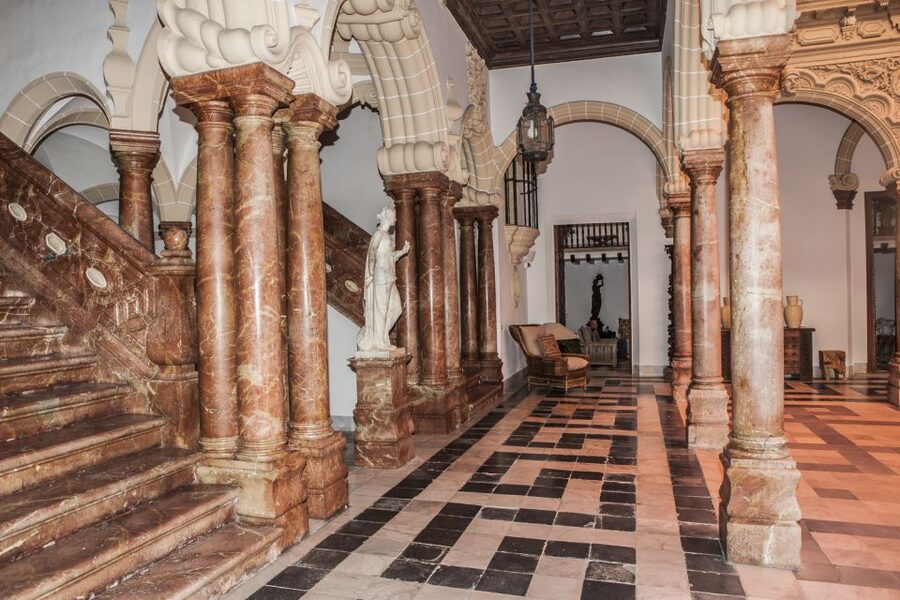
- Italian marble courtyard: The quadrangular palace is organized around an elegant central court.
- A wine family’s former home: The building reflects the social and commercial power of Jerez’s long-established winemakers.
- Three floors and grand balconies: The facade offers a sense of aristocratic display and views across Jerez.
- 45-minute visit: This is a compact cultural stop that fits neatly into a day of sightseeing.
- Audio guide in three languages: Choose Spanish, English, or French for the palace commentary.
- No indoor photography: Bring your ID, leave large bags and strollers behind, and plan to look rather than photograph.
Why Palacio Domecq matters in Jerez
Jerez is closely tied to sherry, wine production, and families who built both businesses and social influence here. Palacio Domecq lets you see the setting behind that story. This is not a winery tour with tastings. It is a look at the home and public image of a family whose winemaking tradition reached across Spain and Europe.
That distinction matters. If you have already visited bodegas and want another barrel room, this palace will offer something different. You come here to see how commercial success appeared in architecture, furnishings, and formal living spaces.
The house is described as a classic Jerez bourgeois residence from the latter half of the 18th century. In plain terms, it was a grand home built by wealthy winemakers and members of the local upper class. The design shows a city where wine money could buy refined materials, large rooms, decorative art, and a prominent place in the urban fabric.
I find that context more useful than simply being told that the palace is beautiful. The building is a record of power. It shows how a successful family wanted to live, receive people, and be seen.
More palace visits in Jerez:
- Seville: Casa de Pilatos Ground Floor Entry Ticket
★ 4.5 · 5,691 reviews - Seville: Flamenco at El Palacio Andaluz with Optional Dinner
★ 4.5 · 1,119 reviews - Flamenco Show at El Palacio Andaluz Admission Ticket in Seville
★ 4.5 · 136 reviews
Entering the three-story Baroque residence
You enter at the main entrance of Palacio Domecq and show your ticket there. The visit lasts about 45 minutes, so you will not need to reserve half a day for it. That makes the palace easy to pair with other sights in Jerez, especially if you prefer short cultural visits rather than long guided programs.
The palace has a quadrangular floor plan, with the rooms arranged around a large central courtyard. This layout is one of the first details worth noticing. Instead of moving through a random sequence of rooms, you can understand the building as a house organized around an open interior center.
The facade rises three stories and includes majestic balconies. Those balconies communicate the status of the family before you even step inside. The building was designed to be noticed, and the exterior prepares you for the formal interiors.
The architecture is identified as Andalusian Baroque, a style that favors decoration, visual drama, and carefully arranged detail. You might find the palace less overwhelming than some larger European residences, but its appeal comes from the way the decorative work fits a Jerez town house rather than a royal complex.
The Italian marble courtyard
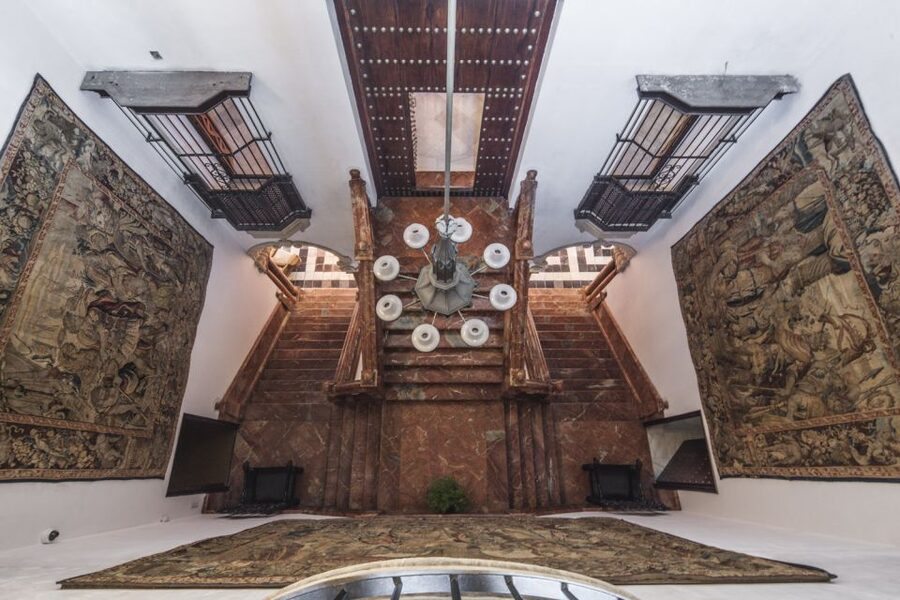
The central courtyard is the natural focus of the visit. Its Italian marble gives the house a cool, refined center and helps explain the cost and care that went into the building.
Courtyards are practical in Andalusian architecture, but here the space also carries a social message. A grand interior court offered light and air while providing an impressive setting for the people who lived in or entered the palace. It is both a working feature of the house and a display of wealth.
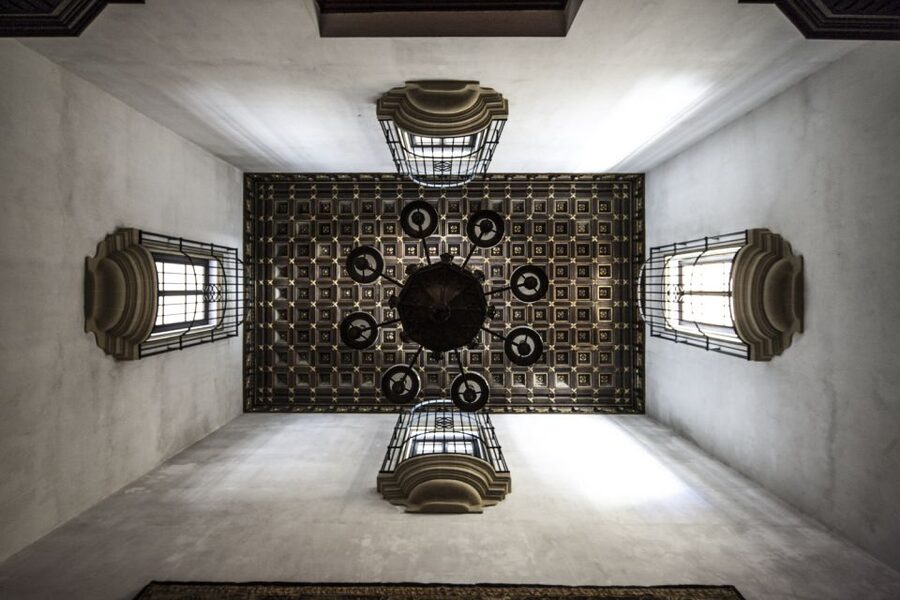
Take a moment to look upward and around before moving on. The courtyard helps you read the rest of the palace. The rooms, balconies, and floors make more sense once you see how they relate to this central space.
Because photography is not allowed inside, you will need to pay attention while you are there. I understand why this may frustrate you, especially when the marble courtyard and decorative rooms invite pictures. Still, the rule makes it worth slowing down. You are not spending the visit checking your phone or trying to frame every detail.
Paintings, sculptures, and noble materials
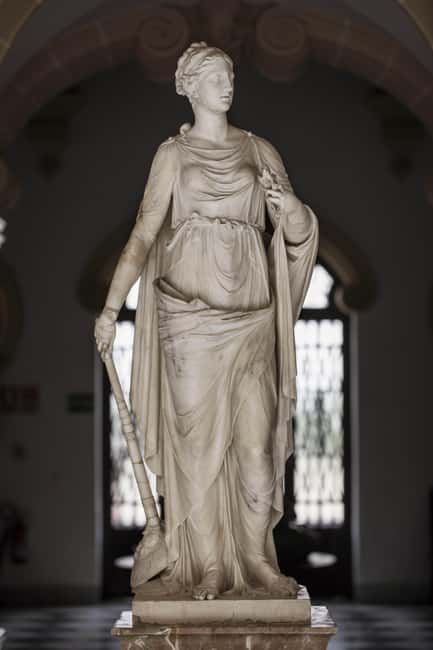
The interior contains paintings, tapestries, sculptures, and other fine materials. These objects are important because they show the palace as a complete residence, not merely an architectural shell.
A visit focused only on walls and balconies can leave you wondering how the family actually used the house. Furnishings and artwork provide clues about taste, rank, and the need to impress. The objects are part of the palace’s social story.
The audio guide helps connect these details to the building. Commentary is available in Spanish, English, and French, and the English version has been praised for being good through the supplied earphones. If you like a clear explanation as you move from room to room, this is a strong part of the ticket.
The audio format is also the main weakness for some people. One Spanish-language visitor found the system dull and felt it took away from the palace’s charm. That reaction is worth taking seriously. An audio guide gives you information, but it does not create the natural exchange of a live guide.
You should expect a self-directed visit rather than a lively conversation. The commentary may suit you if you prefer to move at your own pace. If you enjoy questions, stories, and a human guide reacting to your interests, the format may feel limited.
More Jerez trips:
- Jerez de la Frontera: How the Andalusian Horses Dance
★ 4.6 · 6,168 reviews - Jerez de la Frontera: Andalusian Horse Dance and Museums
★ 4.7 · 1,289 reviews - Jerez: Yeguada de la Cartuja Carthusian Horses Tour
★ 4.8 · 970 reviews - Jerez: Royal Andalusian School of Equestrian Art Admission
★ 4.6 · 882 reviews
What the balconies reveal about Jerez
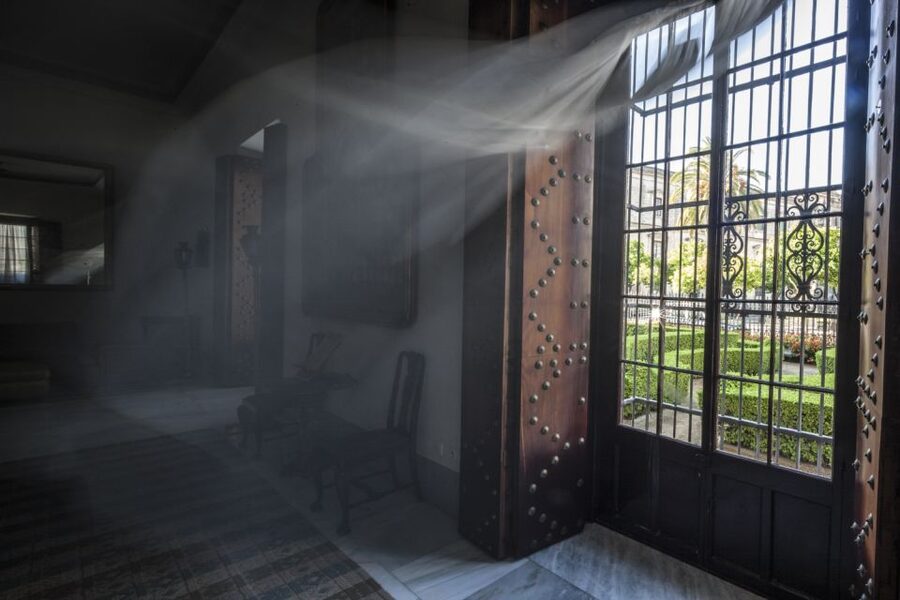
The balconies are among the clearest signs of the palace’s public face. A large, decorated town house did more than shelter a family. It announced that the people inside had money, connections, and a recognized place in Jerez society.
From the palace, the balconies also provide some of the best views associated with the building. The supplied information does not specify exactly what can be seen from each level, so you should think of them as a chance to look out over Jerez rather than expect a named landmark or panoramic viewpoint.
This is a good place to connect the palace to the city around it. Jerez is not presented here as a backdrop separate from the building. The palace grew from local wine commerce, and its size and ornament reflect that setting.
I especially like this kind of visit when I have already seen a city’s streets and public buildings. A palace can explain the private side of urban history. It shows what prosperity looked like behind a prominent facade.
A 45-minute visit with a quiet pace
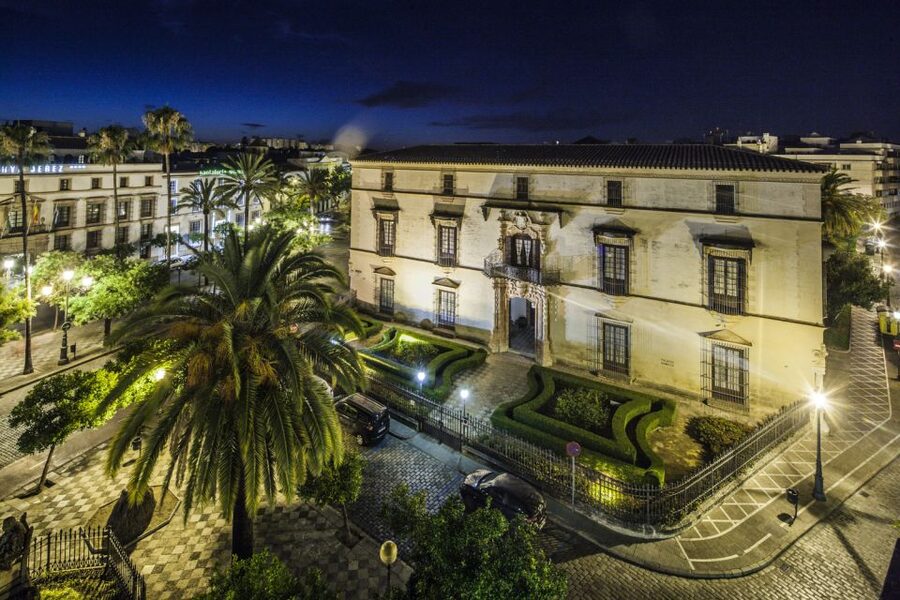
Forty-five minutes is enough time to see the palace without feeling trapped in a long program. You can listen to the audio guide, examine the rooms, and take in the courtyard and facade without committing a whole morning.
The short duration also helps with planning. You might place Palacio Domecq between meals, a bodega visit, or other sightseeing in Jerez. At $17 per person, the ticket is not an impulse-price attraction, but it can be reasonable if you value architecture and local social history.
The value depends on what you want from the visit. You are paying for access to an unusual historic residence, the art and materials inside, and the audio commentary. You are not paying for a wine tasting, a meal, or a long personal tour.
Some pricing confusion may occur because one booking account described paying 25 euros for the audio-guided visit. For your own planning, check the current price at the time you book. At the stated $17 rate, I would call it fair for visitors who enjoy historic interiors, but high if you expect a full guided experience with extensive interpretation.
The non-refundable policy also matters. Do not book casually if your Jerez schedule is uncertain. Since the visit is short, it is usually easier to place it into a firm sightseeing plan than to build an entire day around it.
The audio guide: useful, but not for everyone
The audio guide is included in the ticket, with Spanish, English, and French available. That makes the palace accessible to more international visitors and keeps the experience simple: enter, choose your language, and follow the commentary.
The English commentary has received particularly positive notice for its clarity. If English is your preferred language, you should be able to get a solid explanation of what you are seeing without relying on written material.
At the same time, the audio system sets the tone. You will hear prepared commentary rather than a guide who can answer questions or adjust the pace. One person found the visit boring because of this format, so I would not recommend it to anyone who dislikes listening through earphones in formal interiors.
The best approach is to treat the audio guide as a tool, not the whole experience. Look closely at the architecture while listening. Notice how the courtyard relates to the rooms, how the balconies shape the facade, and how the artwork supports the house’s image. The building remains the main attraction.
Photography, bags, and the practical rules
Photography is not allowed inside the palace. This is one of the most important points to know before paying for a ticket. If you normally document every room, you may leave feeling that the price is harder to justify because you cannot take your own pictures.
You also cannot bring food or drinks, smoke inside, touch exhibits, make noise, or bring alcohol or drugs. Large bags and luggage are not allowed, and baby strollers are prohibited. Pets cannot enter, although assistance dogs are allowed.
Bring your passport or ID card. You show your ticket at the main entrance, and having identification with you is part of the stated requirements.
Unaccompanied minors are not allowed. The information also says the experience is not suitable for people with visual or hearing impairments. That is worth noting alongside the wheelchair-accessibility information. The palace can accommodate wheelchair users, but access arrangements require tickets to be purchased at least 24 hours in advance because of logistical needs.
These rules are not small details. They affect who can enjoy the visit and how you should prepare. Pack light, leave snacks elsewhere, and decide ahead of time if a no-camera experience suits you.
Who will enjoy Palacio Domecq most
I would recommend this palace to you if you like architecture, historic homes, decorative arts, or the connection between business and social status. It is also a good choice if you want to understand Jerez beyond wine cellars and tasting rooms.
The visit suits people who appreciate a measured pace. You have time to examine the courtyard and rooms, listen to the commentary, and notice the materials without being rushed through a large complex.
It may not suit you if you want a lively guide, an interactive activity, or a wine tasting. The palace is also a weaker choice if photographs are a major part of your sightseeing. The no-photography rule is firm, and the audio guide may feel too formal for some.
Families should check the restrictions carefully. Baby strollers are not permitted, and unaccompanied minors cannot enter. The building may still work for an accompanied family visit, but the rules require advance planning.
How to decide if the $17 ticket is worthwhile
At $17, Palacio Domecq offers a compact look at an unusual Jerez residence with a clear link to local winemaking. I think the price works best when you want substance in a short visit and are willing to value the building itself rather than expect extras.
The strongest reasons to book are the Italian marble courtyard, the Andalusian Baroque design, the art-filled interiors, and the connection to one of Spain and Europe’s long-running winemaking families. Those features give the palace a clear identity.
The reasons to hesitate are just as clear. You cannot take photographs, the visit is non-refundable, and the audio guide may feel dry if you prefer a person-led tour. The price may also feel high for 45 minutes, especially if you are comparing it with a longer attraction.
Should you book Palacio Domecq?
Book it if you want a focused architectural visit that explains how Jerez’s wine wealth appeared in a grand private home. The palace offers more than a pretty facade: its courtyard, balconies, artwork, and materials show the lifestyle and ambitions of a powerful local family.
Skip it if you need photography, a live guide, or a tasting to make a cultural stop worthwhile. If you do book, choose your audio language in advance, bring ID, travel without large bags or a stroller, and reserve at least 24 hours ahead if you need wheelchair access.
FAQ
Where is Palacio Domecq?
Palacio Domecq is in Jerez de la Frontera in Andalusia, Spain. You enter through the palace’s main entrance.
How long does the visit last?
The visit lasts approximately 45 minutes.
What is included in the ticket?
The ticket includes entrance to Palacio Domecq and an audio guide.
Which languages are available for the audio guide?
The audio guide is available in Spanish, English, and French.
How much does admission cost?
The stated price is $17 per person. Check the current price when booking, as one booking account recorded a charge of 25 euros for an audio-guided visit.
Can I take photographs inside?
No. Photography inside the palace is not allowed.
Is Palacio Domecq wheelchair accessible?
Yes, the palace is listed as wheelchair accessible. For wheelchair access, tickets must be purchased at least 24 hours in advance because of logistical requirements.
What should I bring to enter?
Bring your passport or ID card and show your ticket at the main entrance. Large bags, luggage, baby strollers, food, and drinks are not allowed.
Just added around Jerez
- Jerez: Historic center of Jerez and horse show★ 5.0 · 3 reviews
- Jerez de la Frontera: 1.5-Hour Walking Tour with a Guide★ 5.0 · 3 reviews
- Visit to the Church of San Miguel★ 5.0 · 3 reviews
- JEREZ DE LA FRONTERA: GUIDED TOUR TO THE COOPERAGE★ 5.0 · 3 reviews
- Jerez Historic Guided Tour with Horse Show★ 5.0 · 4 reviews
- Jerez: Tour Bodegas Páez Morilla ESPAÑOL/DEUTSCH★ 5.0 · 4 reviews
- From Jerez: Day Trip to Tangier with Ferry & Lunch★ 4.8 · 5 reviews
- JEREZ DE LA FRONTERA: PREMIUM GUIDED TOUR TO THE COOPERAGE★ 5.0 · 5 reviews
Seville Palaces, compared.
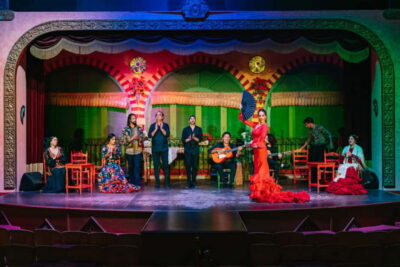
Flamenco at El Palacio Andaluz with Optional Dinner
Read our review →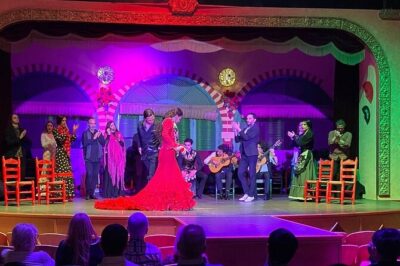
Flamenco Show at El Palacio Andaluz Admission Ticket in Seville
Read our review →
Palacio de Las Dueñas Entry Ticket and Guided Tour
Read our review →
Guided visit of the Casa de Pilatos with entrance tickets
Read our review →
Palacio de Las Dueñas, La Macarena & Las Setas Tour
Read our review →
Seville Private Tour with Alcazar, Cathedral, Casa de Pilatos
Read our review →Browse the lists this tour appears in